SCHOOL NEWS
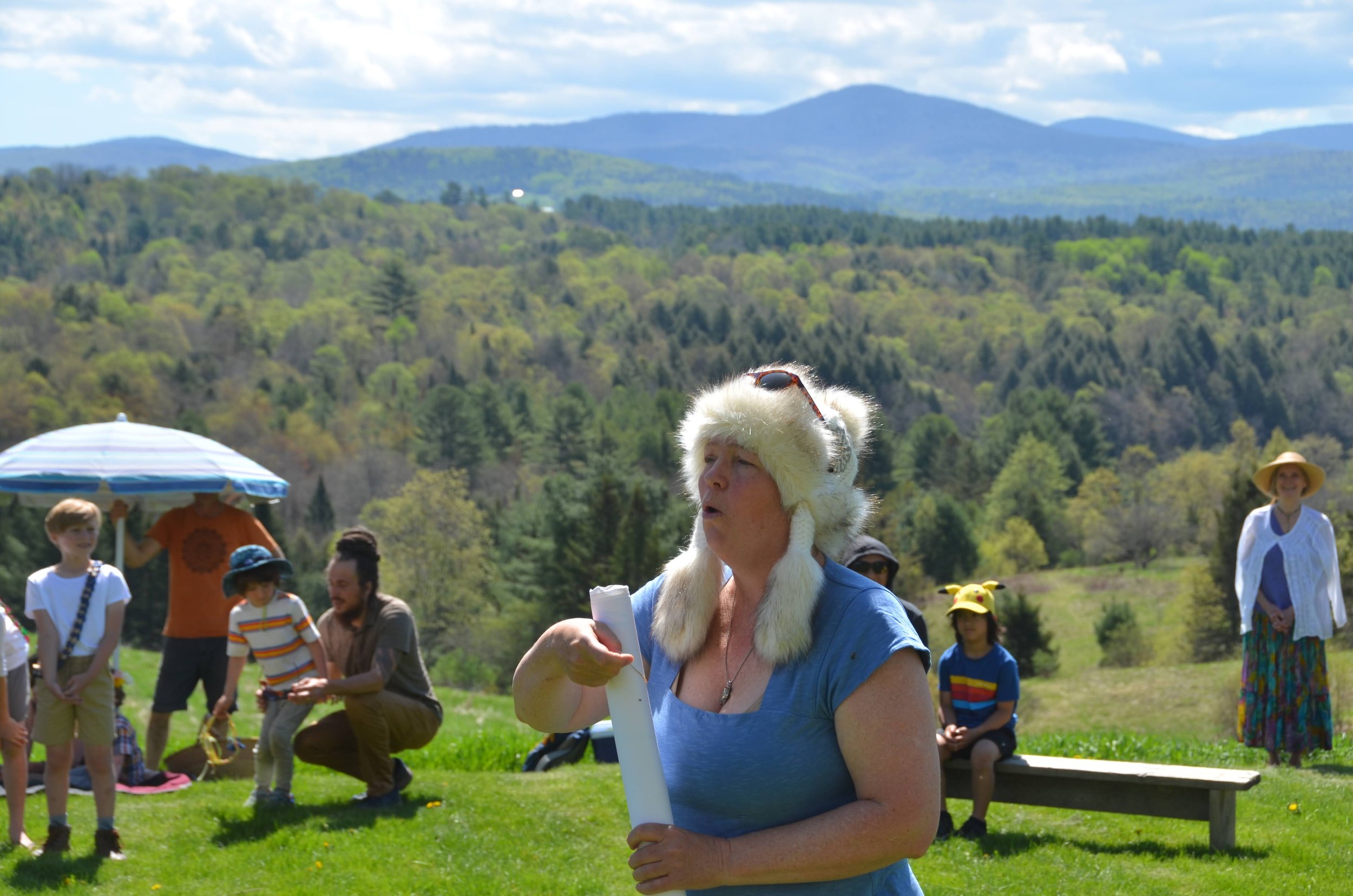
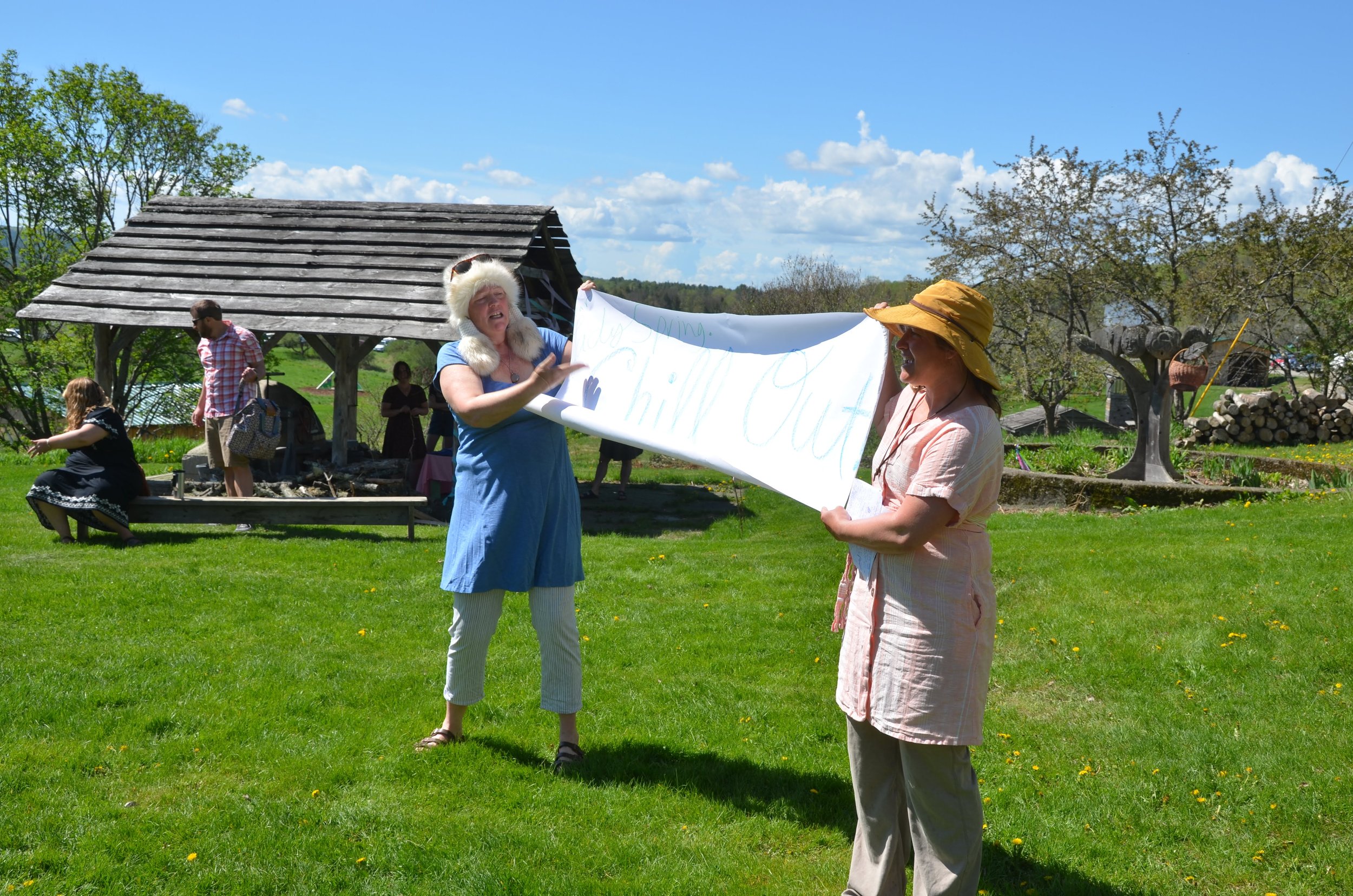
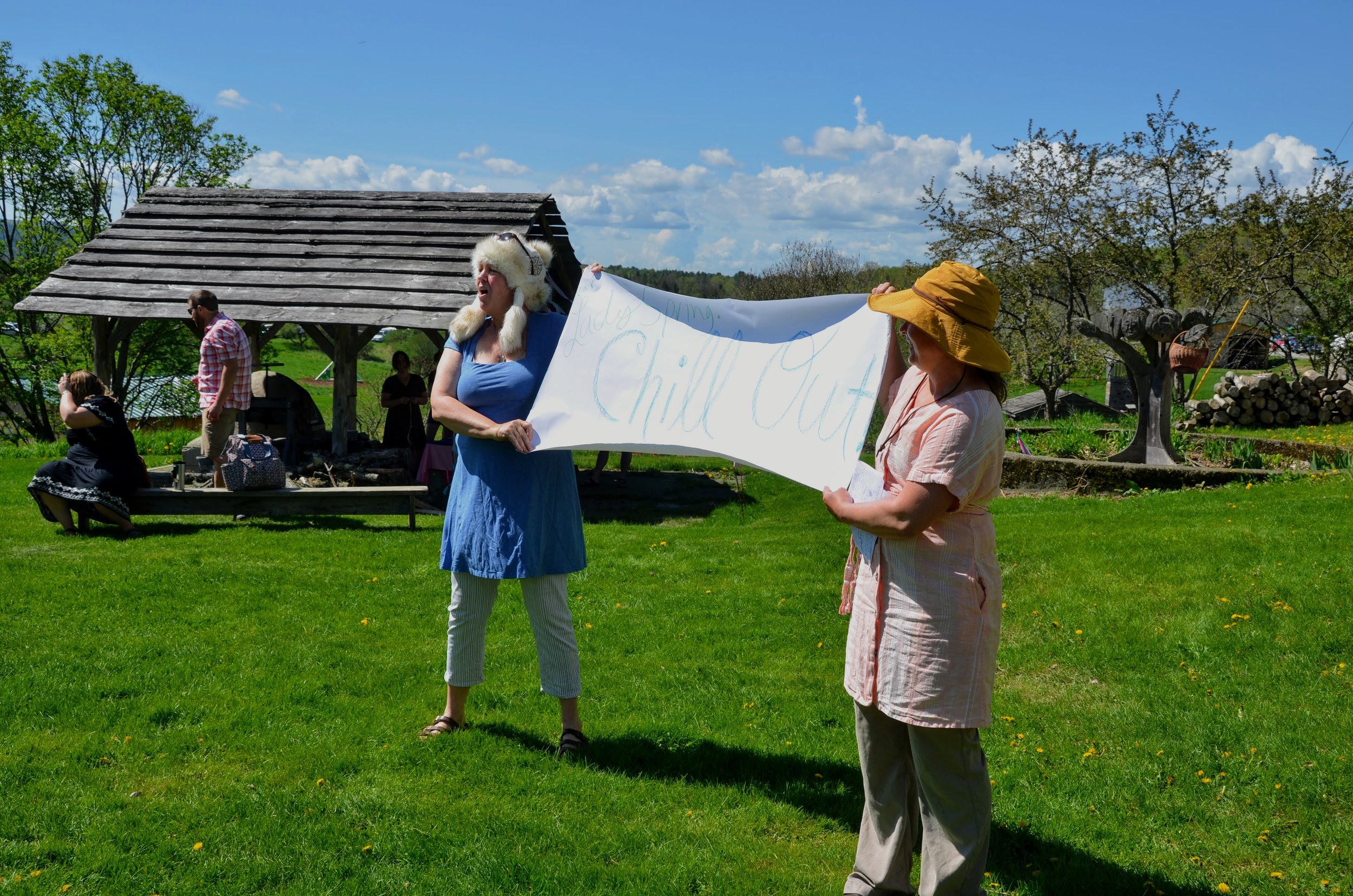
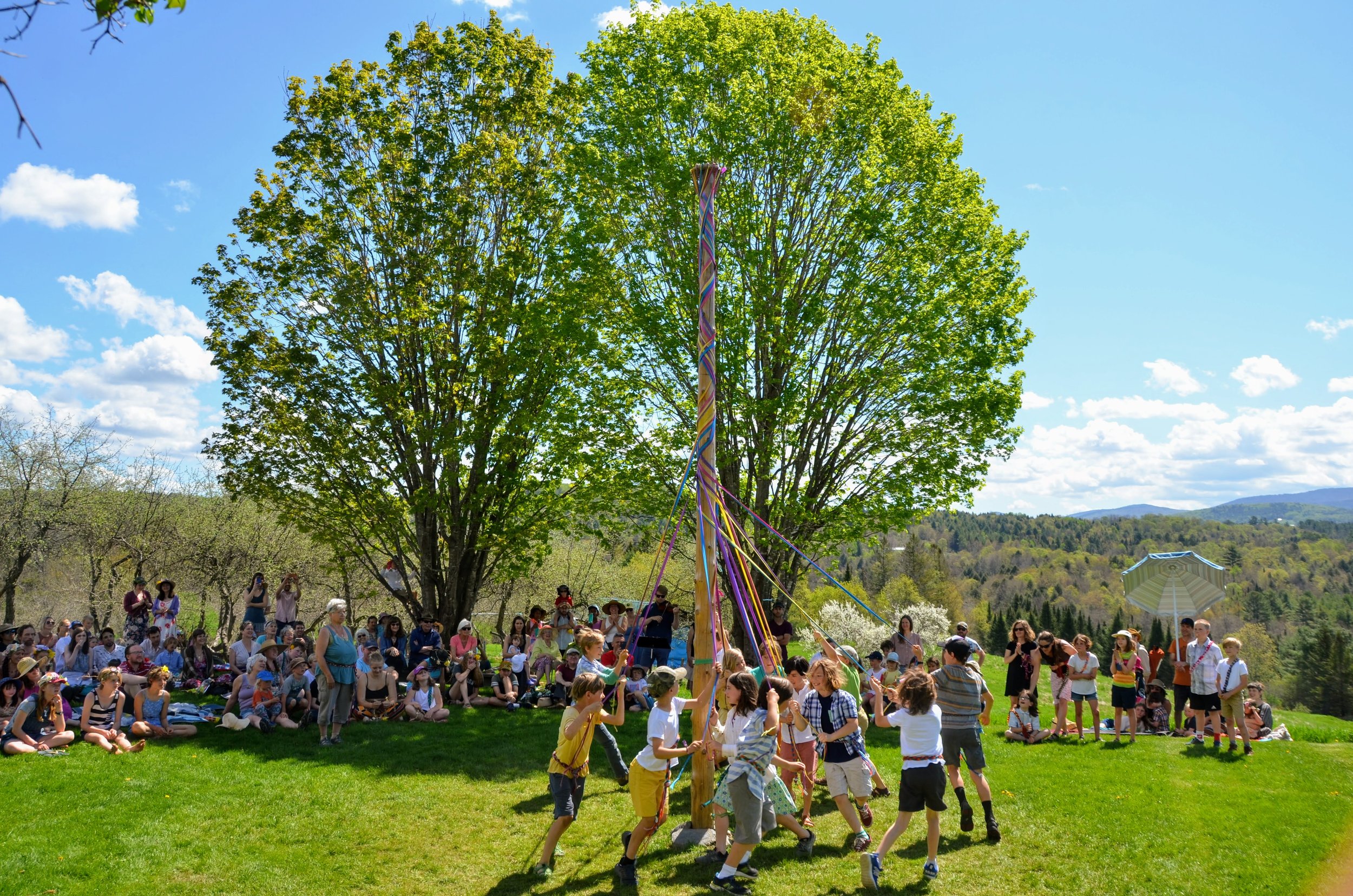
Why We Mayfest
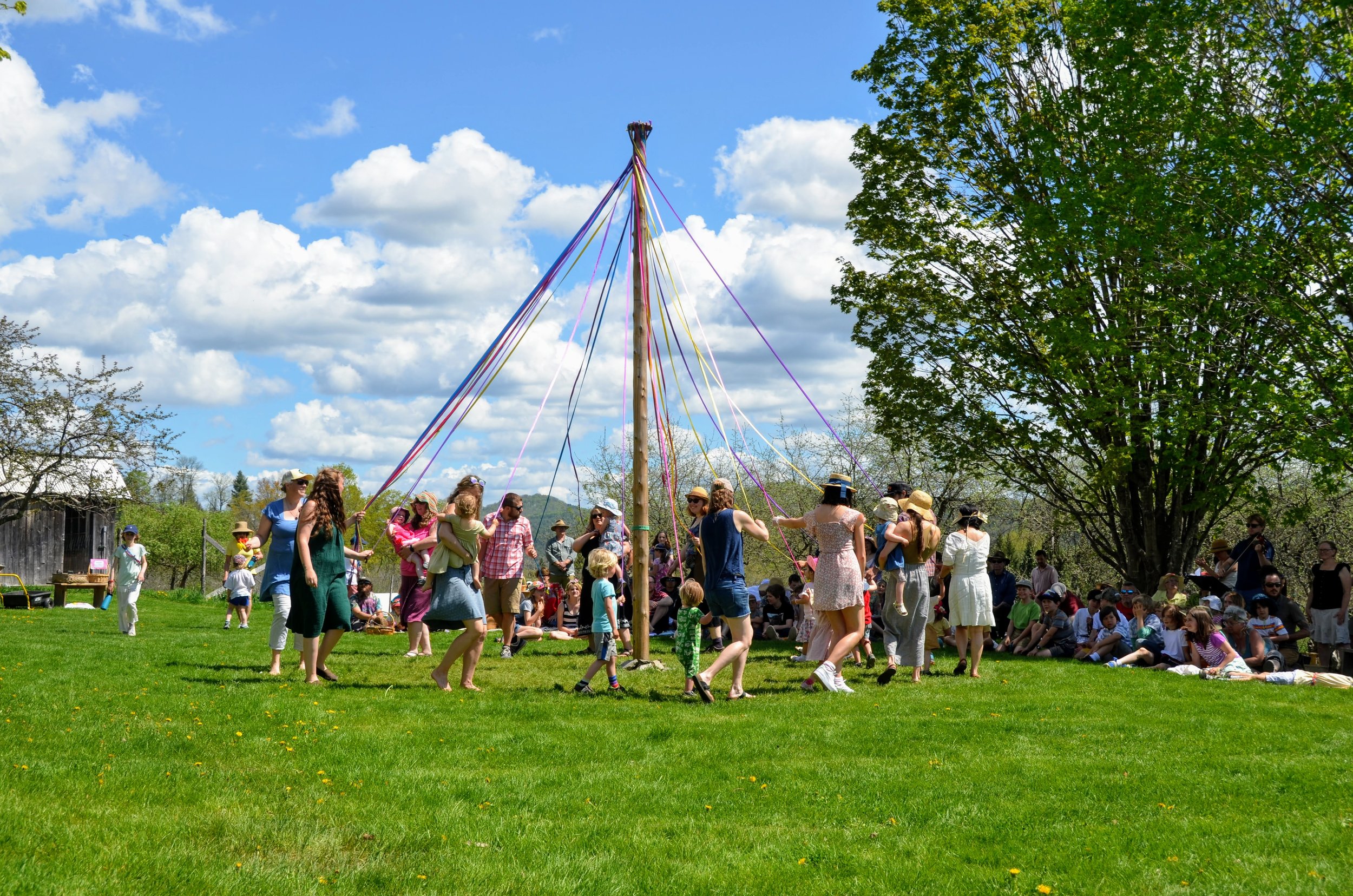
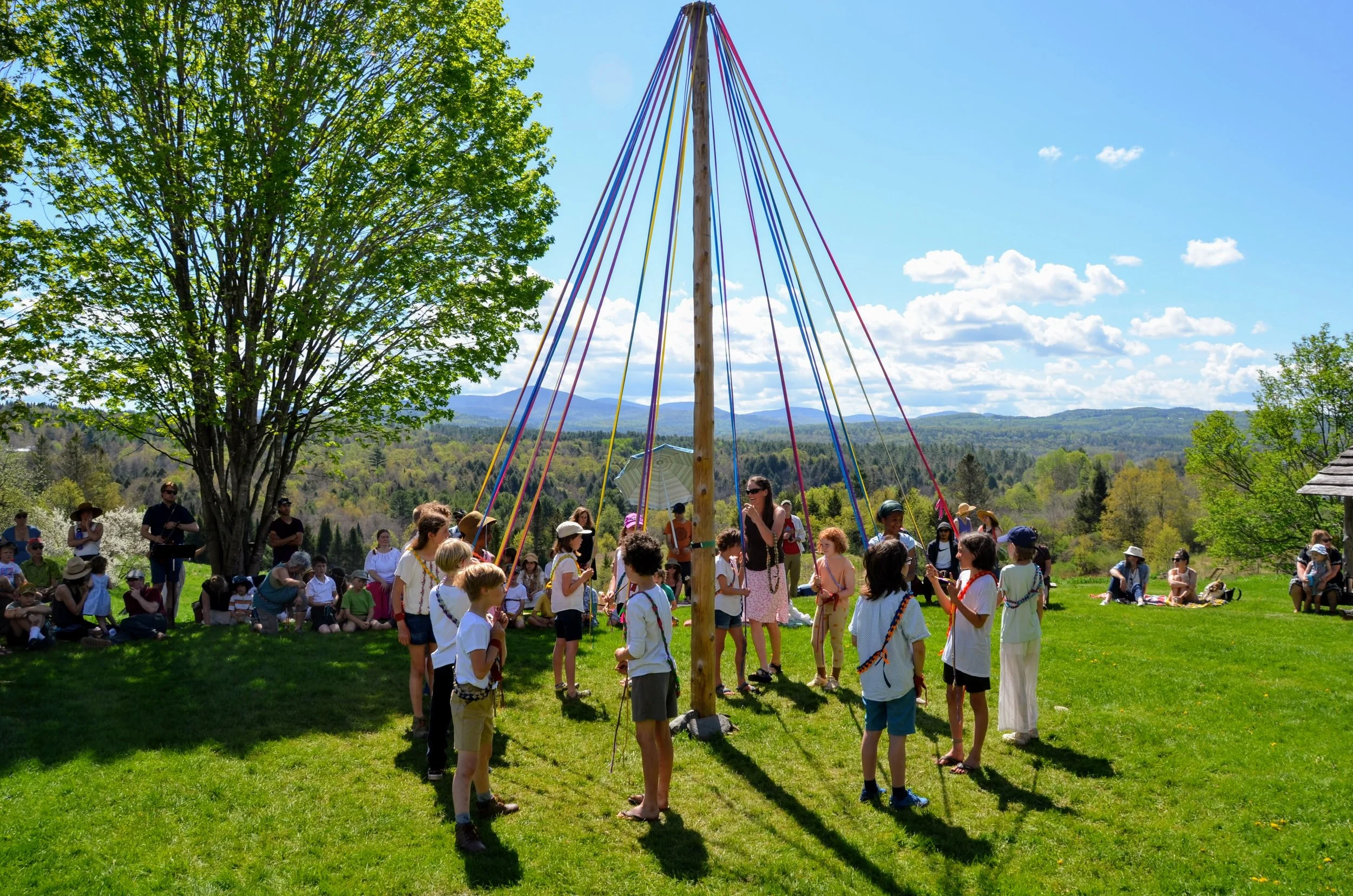
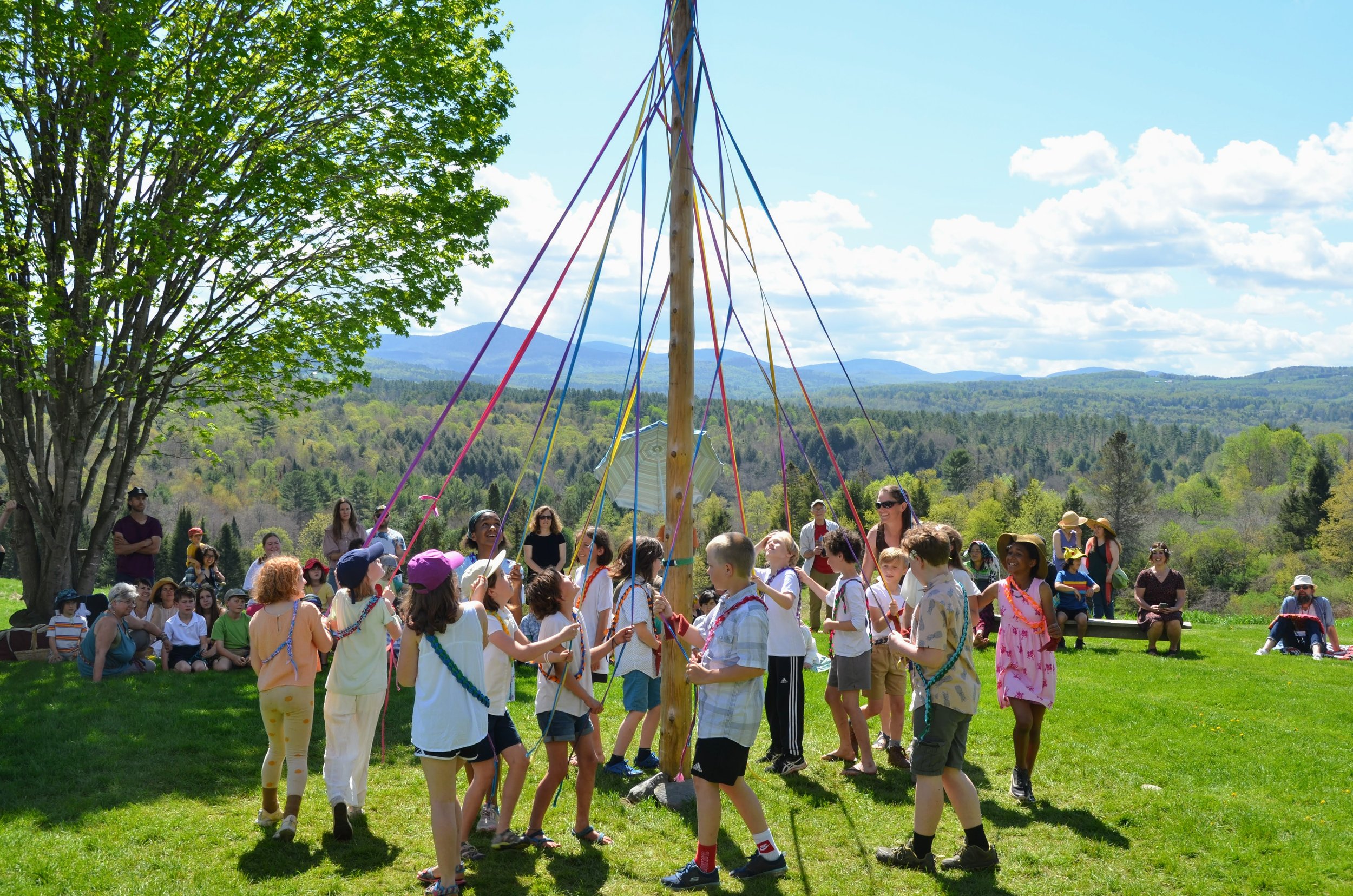
As we move, sometimes struggling to find the dance, sometimes giddy with play, we form patterns. We make visible to one another a woven fabric, each one making visible the often invisible, intangible links of human relationships.
Why We Mayfest
by Marianne Perchlik
“The ribbons flow out like ripples of water” observed a kindergarten child preparing for Mayfest
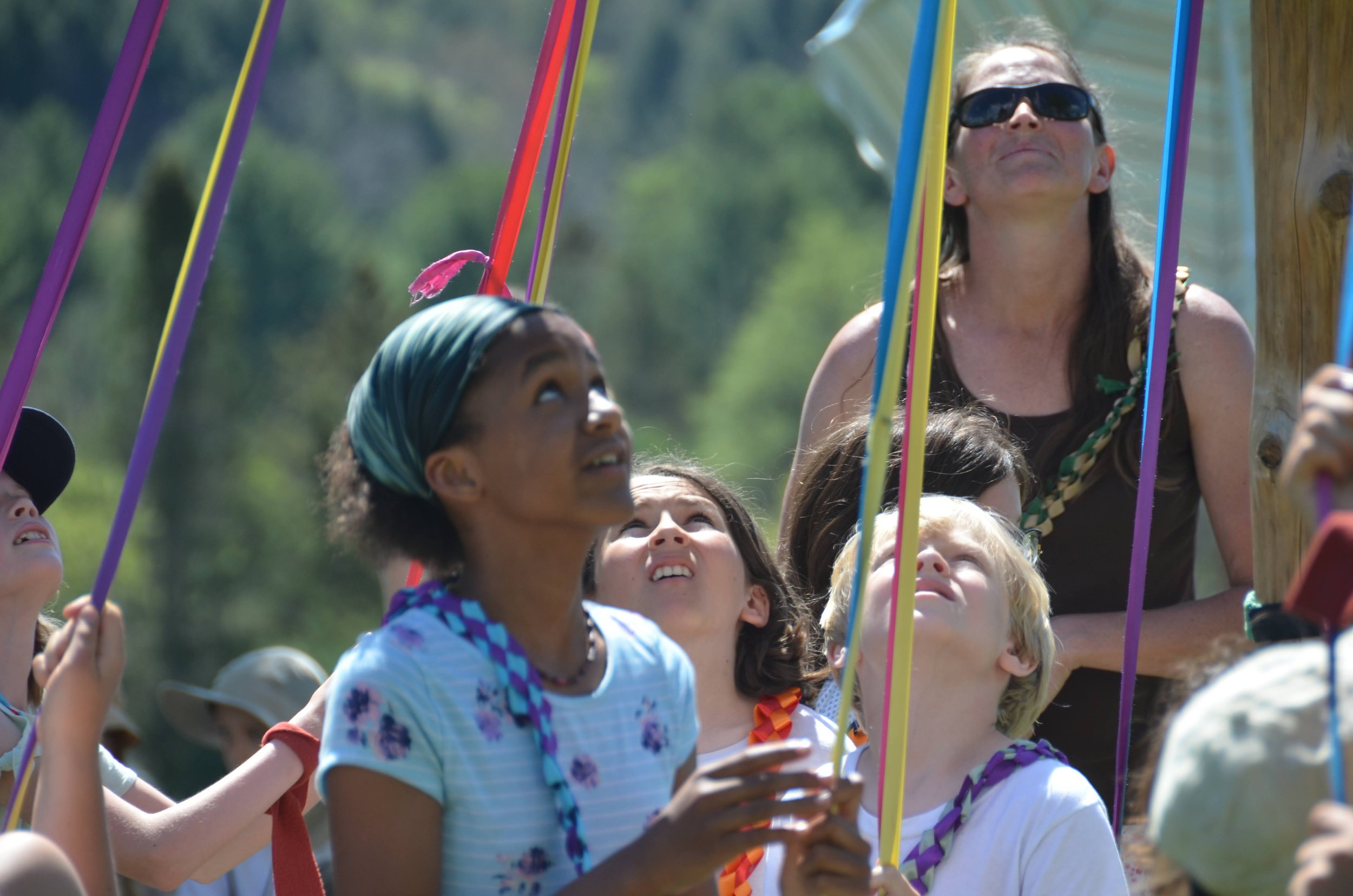
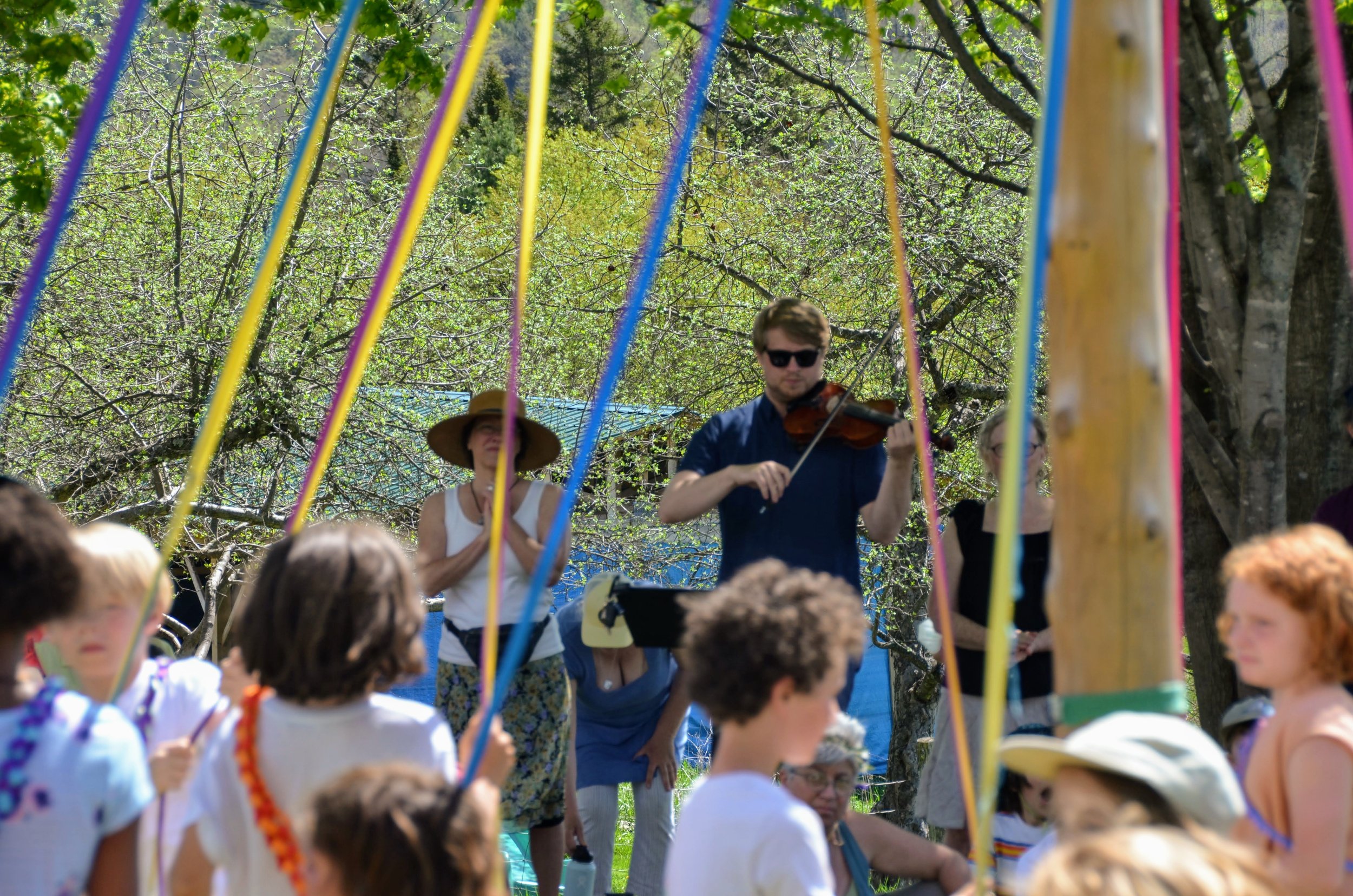
As we move, sometimes struggling to find the dance, sometimes giddy with play, we form patterns. We make visible to one another a woven fabric, each one making visible the often invisible, intangible links of human relationships.
Yet the tree standing at our center is strong and upright. The Maypole is at once something borrowed from the earth and also something created with the work of our hands, with the picturing of our collective imagination stretching back hundreds of years.
Perhaps it reflects the biblical tree of life, channeling the colors of cosmological forces into the growing earth of spring. Perhaps it is any odd tree in springtime. Perhaps it reflects the collective opening of a cosmic yet earthly blossom, a lotus flower of human engagement and connection. Perhaps it reflects the great tree of peace where the people of the Haudenosaunee confederacy buried their weapons forevermore.
"Festival life" is what we call it when we come together as a community to delight in the gifts of the seasons. Each season offers us challenges and blessings, and each season calls for distinctive routine tasks. We plant. We tend. We harvest. We give thanks. We consider and prepare for another year’s fruit.
Imitation is the primary pathway to learning. Through imitation, we stand and walk. We learn language. We sing (or not). We dance (or not). We choose interests. Parents and mentors first teach us through imitation. In our first years of professional development, we apprentice.
When we come together for festivals, we make visible the essential work of our school. We demonstrate to our children how we work together socially, through challenges, through differences of opinion and how we share our blessings (or don’t). We are always teaching the children of the rising generation through our work as adults.
This is our Waldorf education, to make a way forward, making visible our imaginings, our inspirations, our intuitions, for a world of wellness and life for the rising generation.
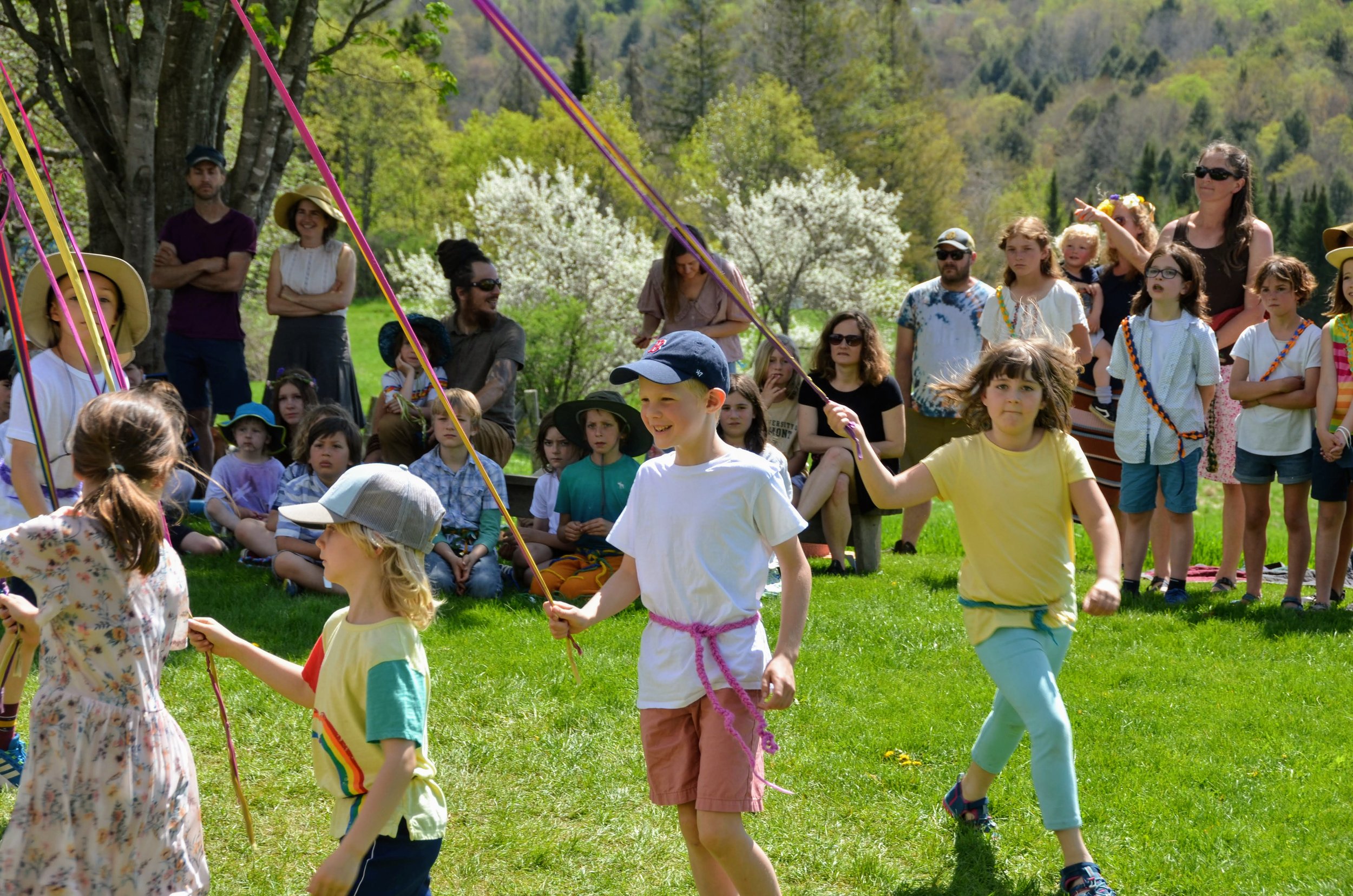
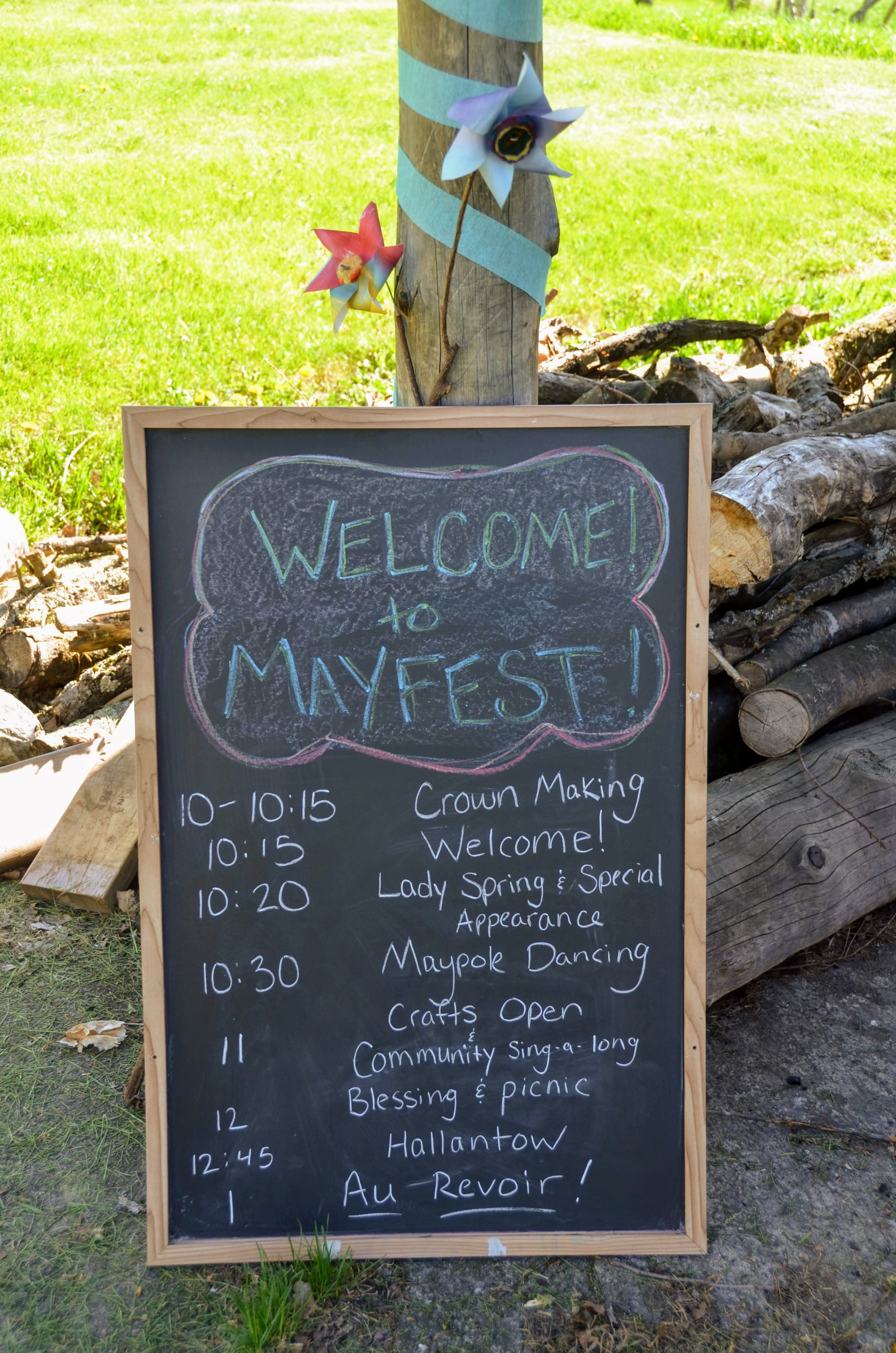
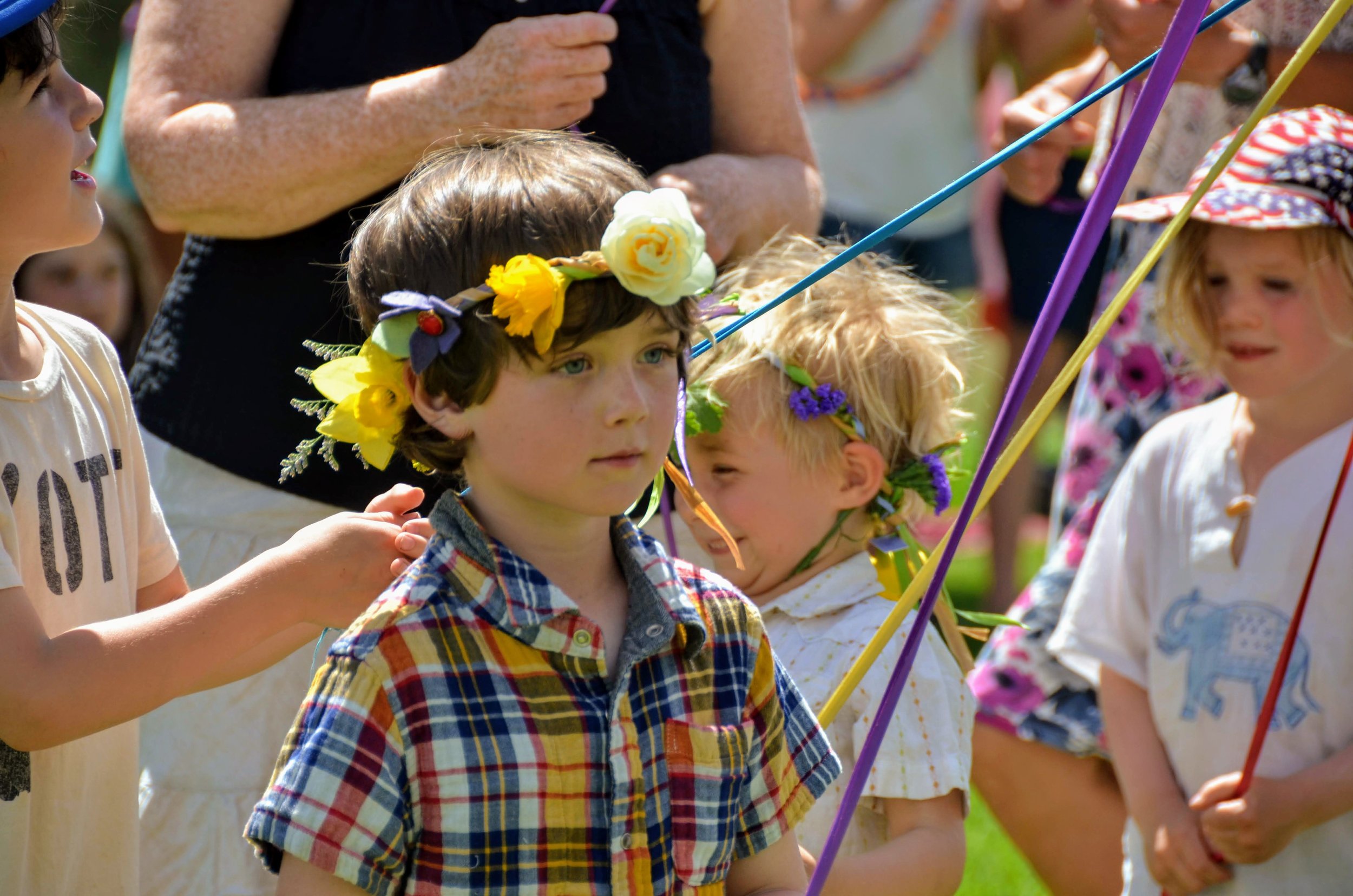
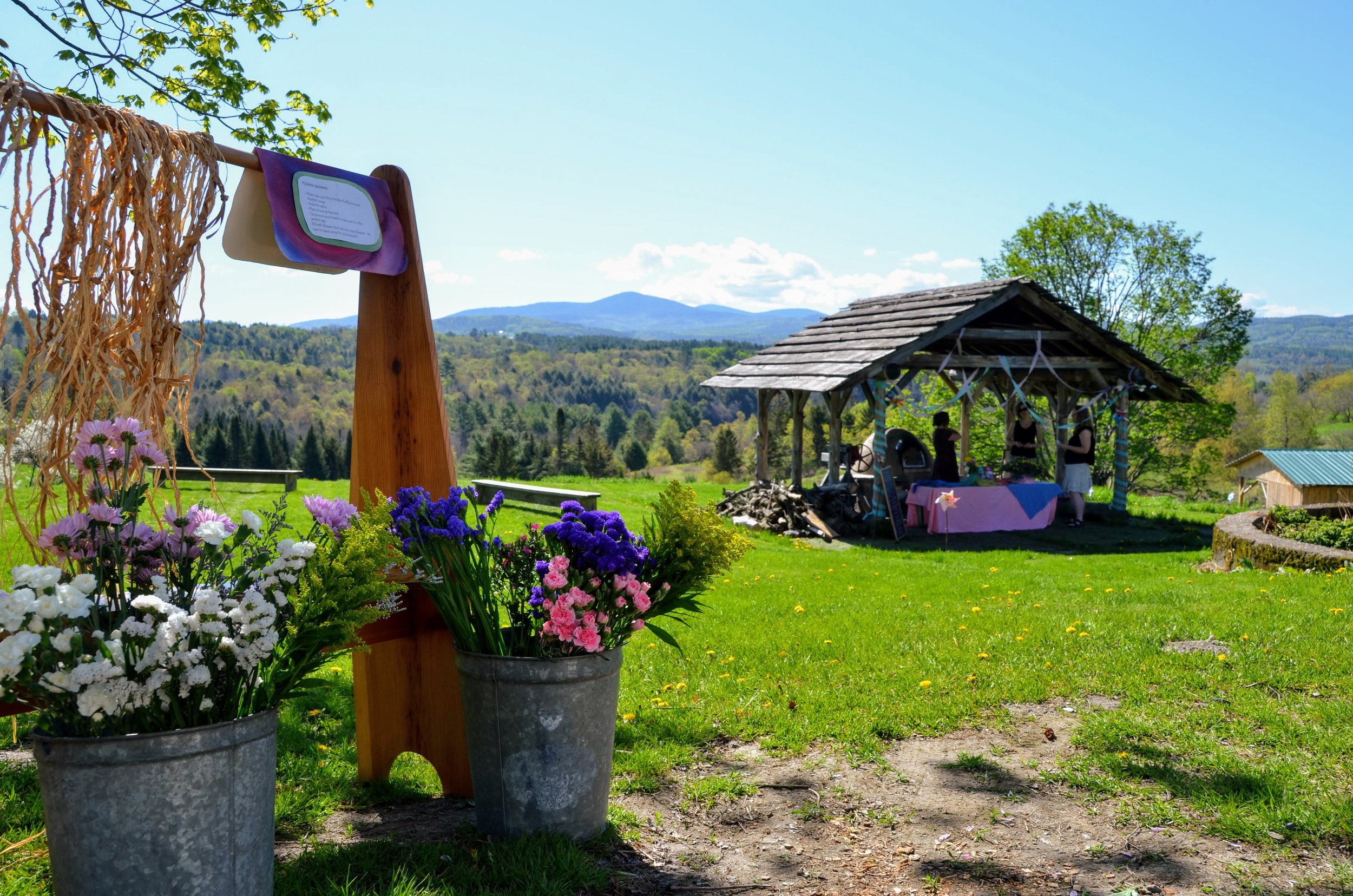
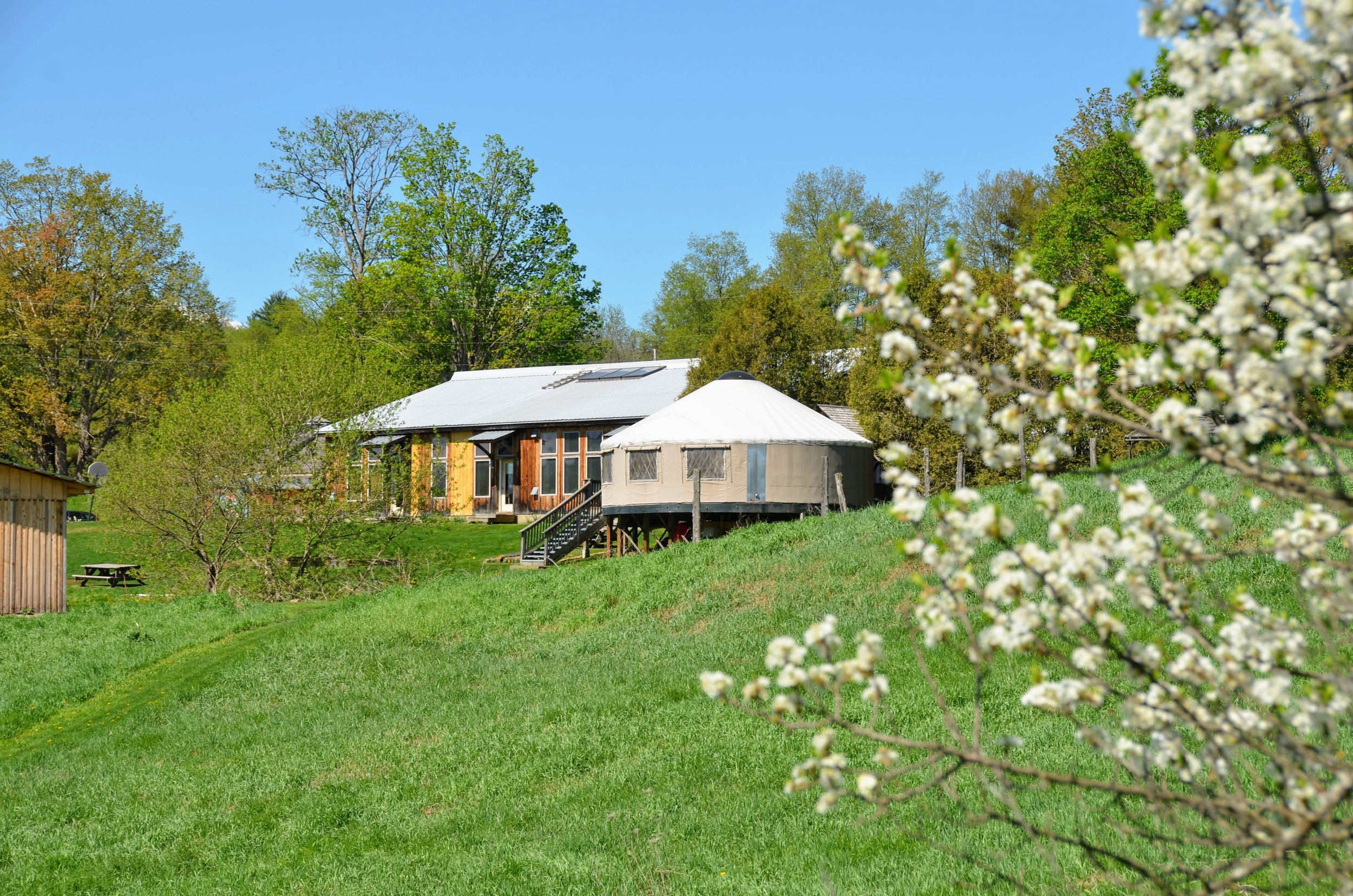
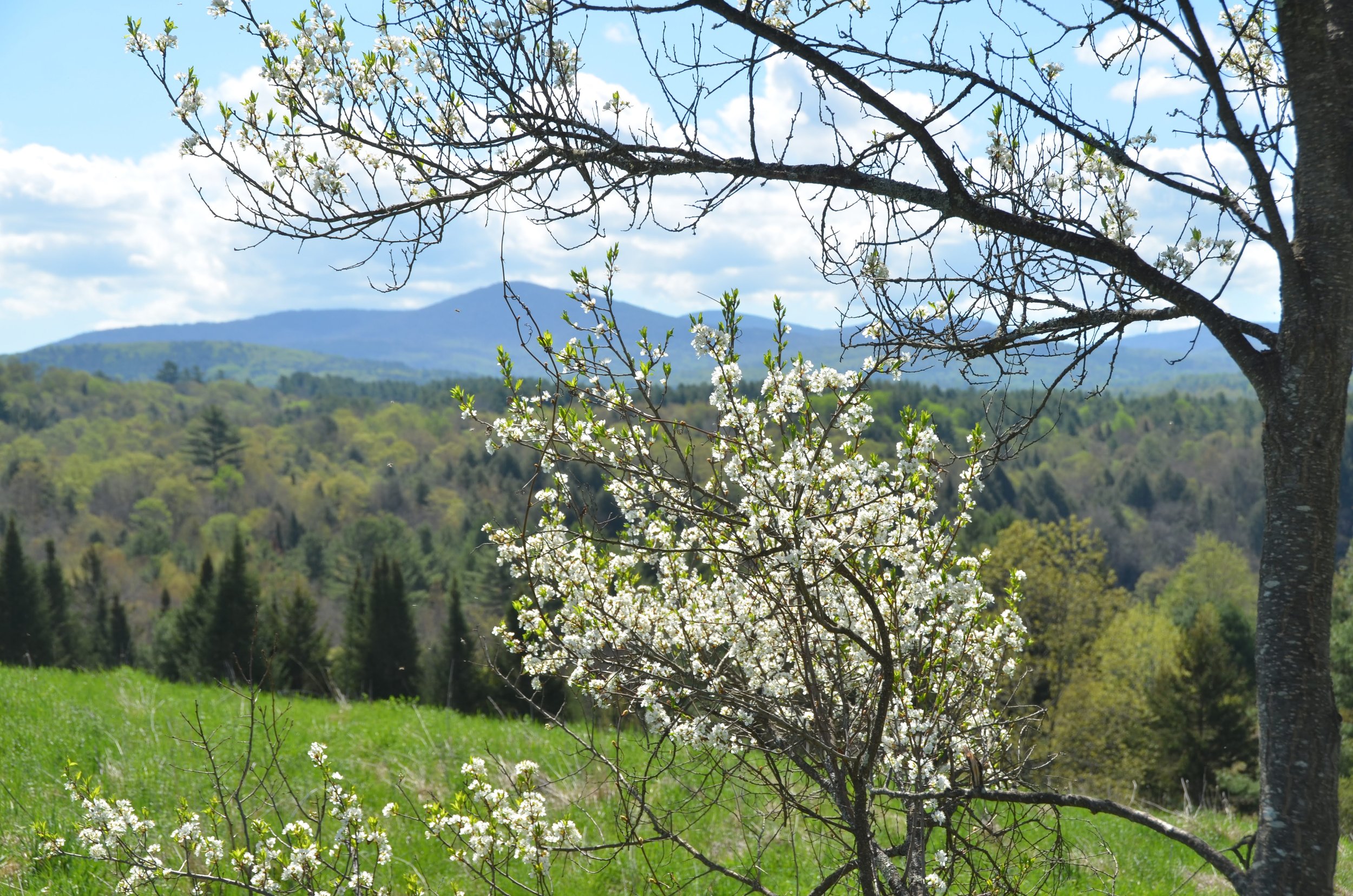
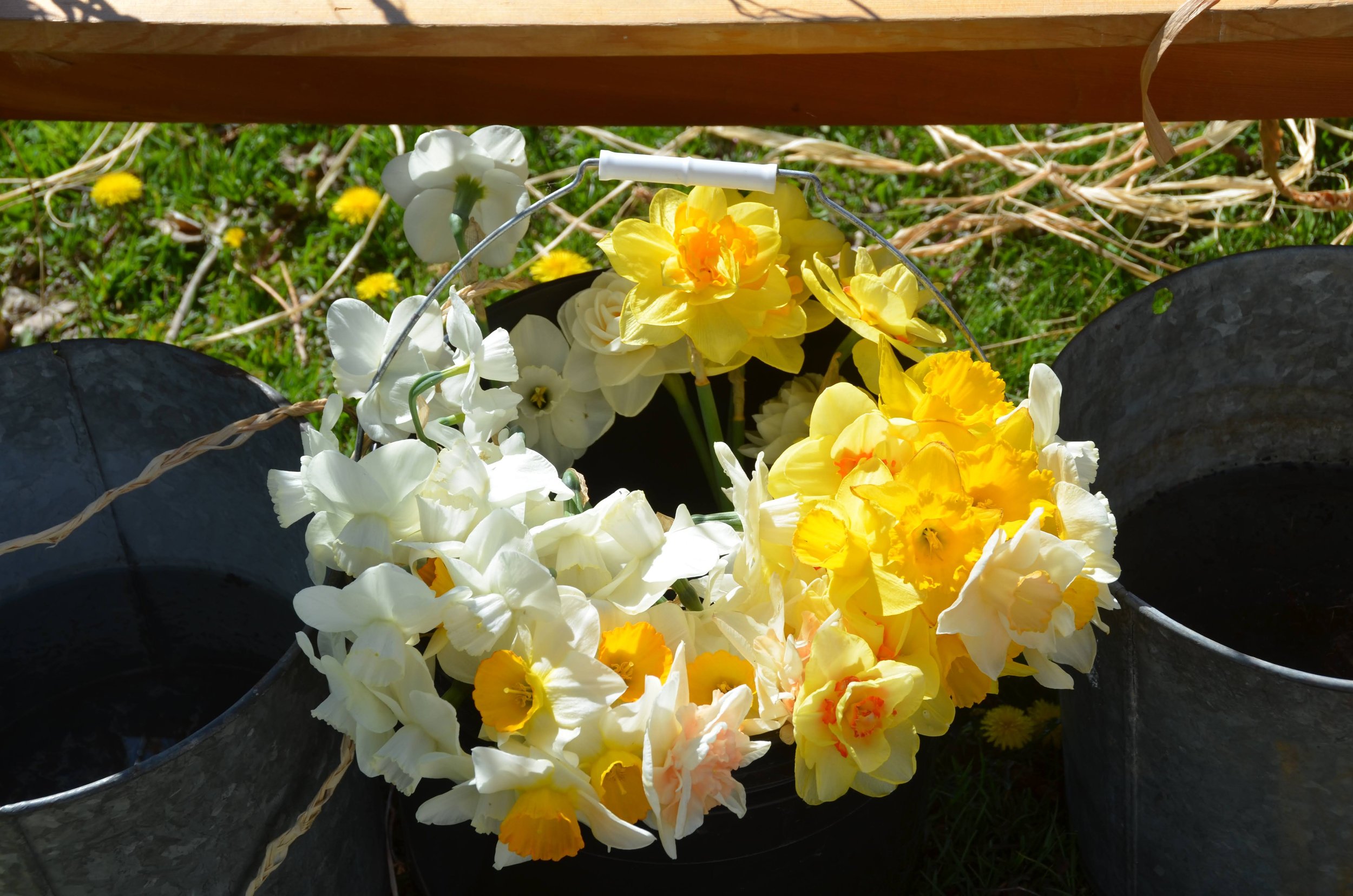
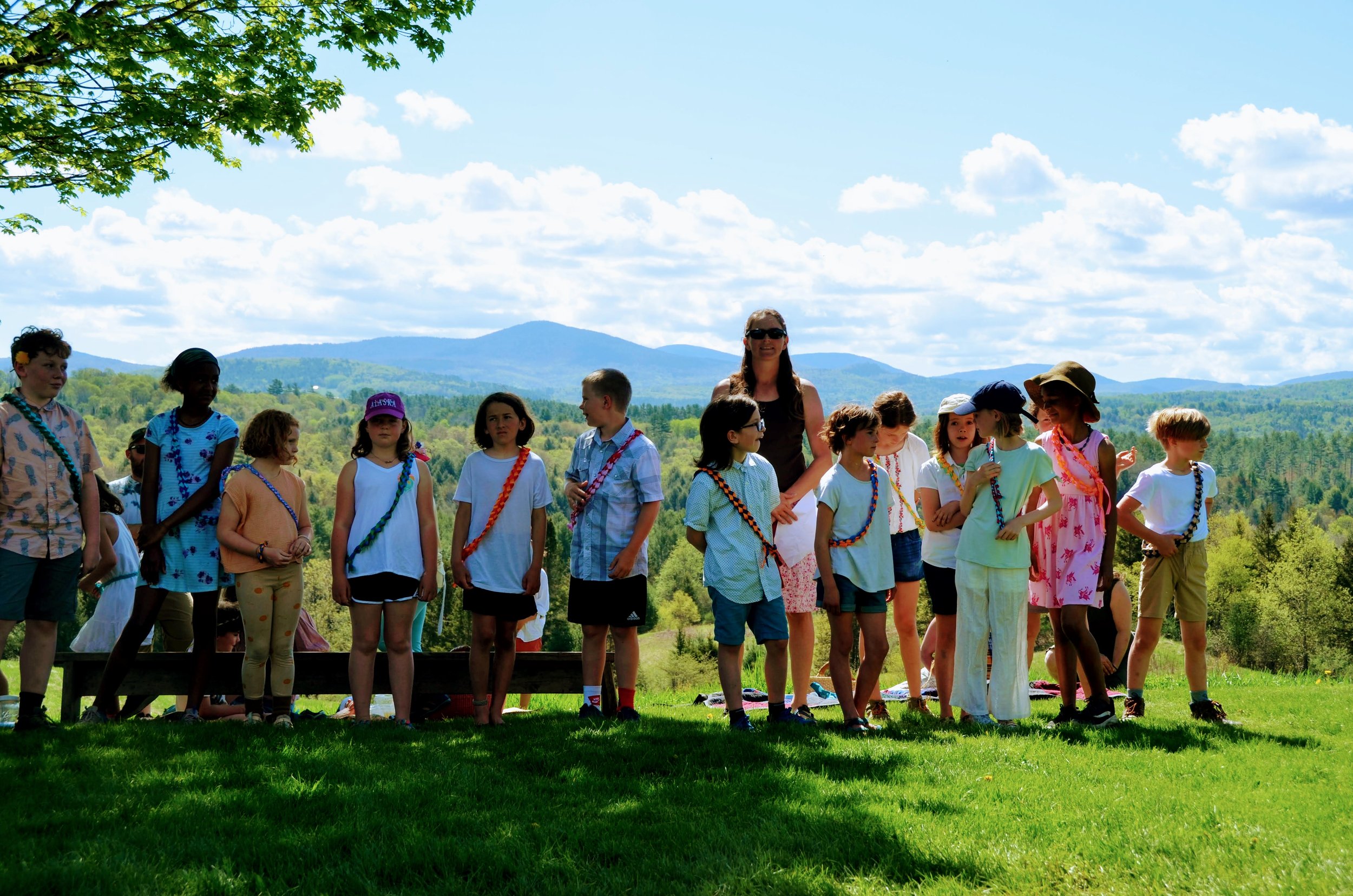
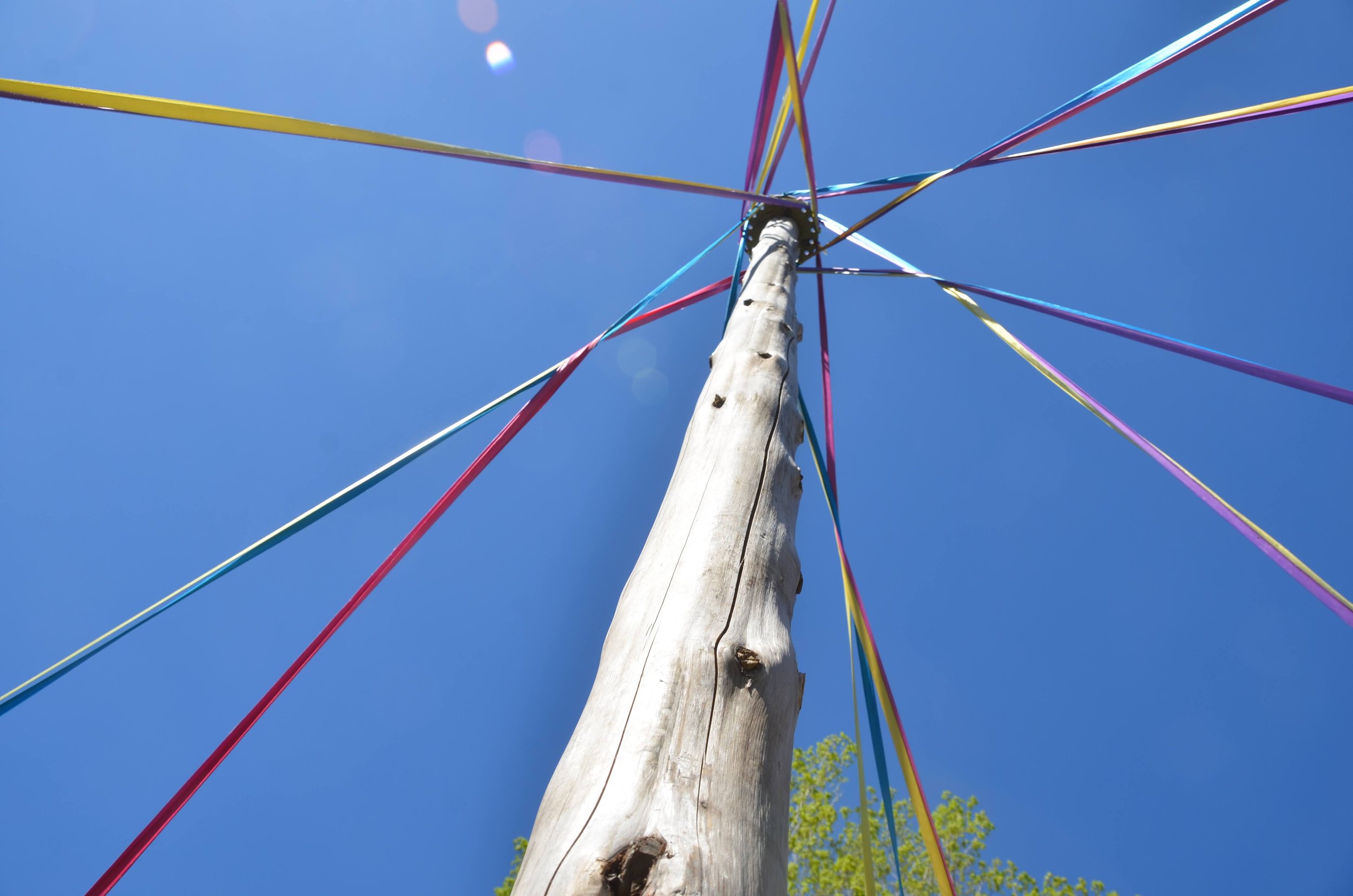
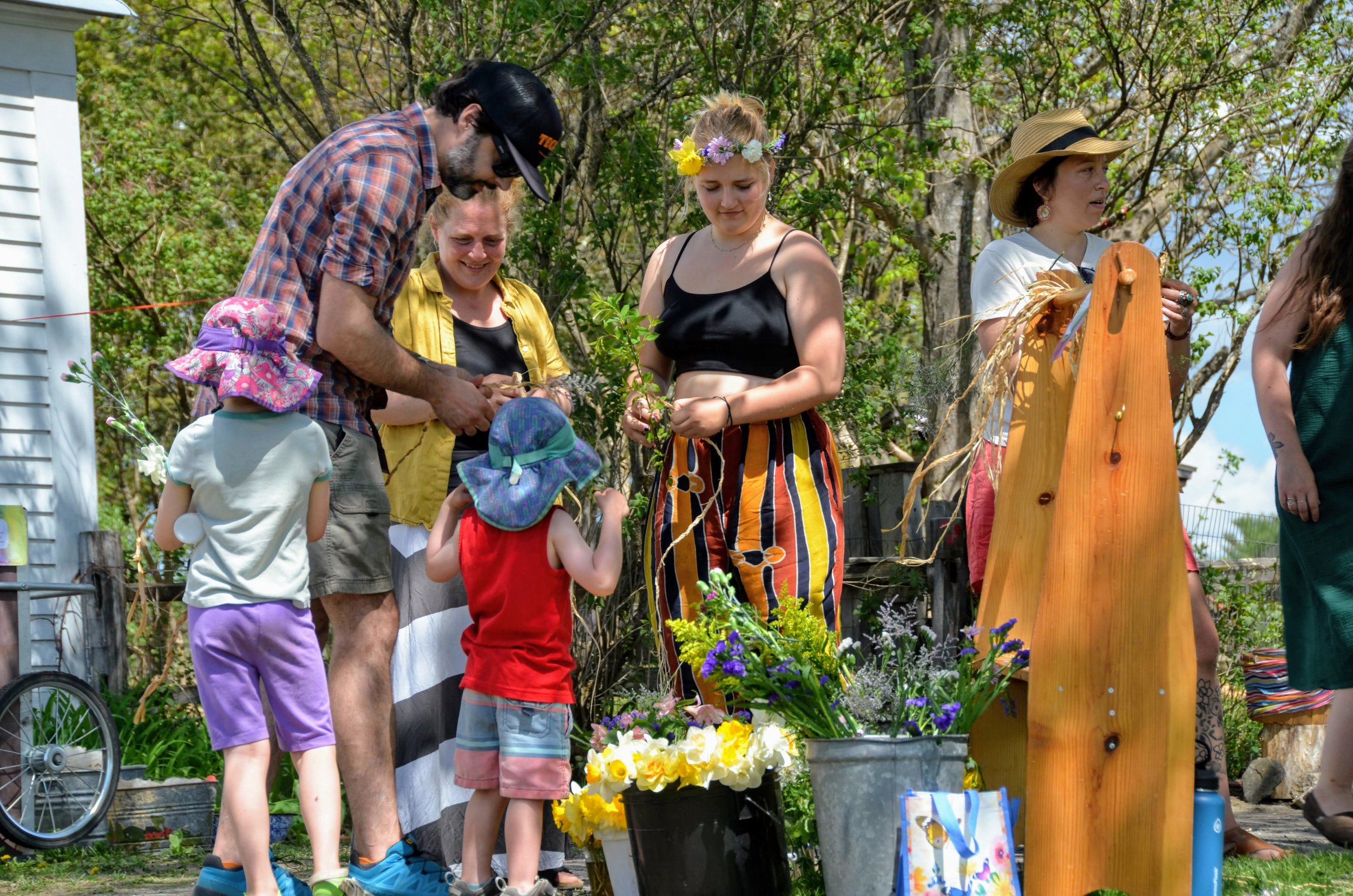
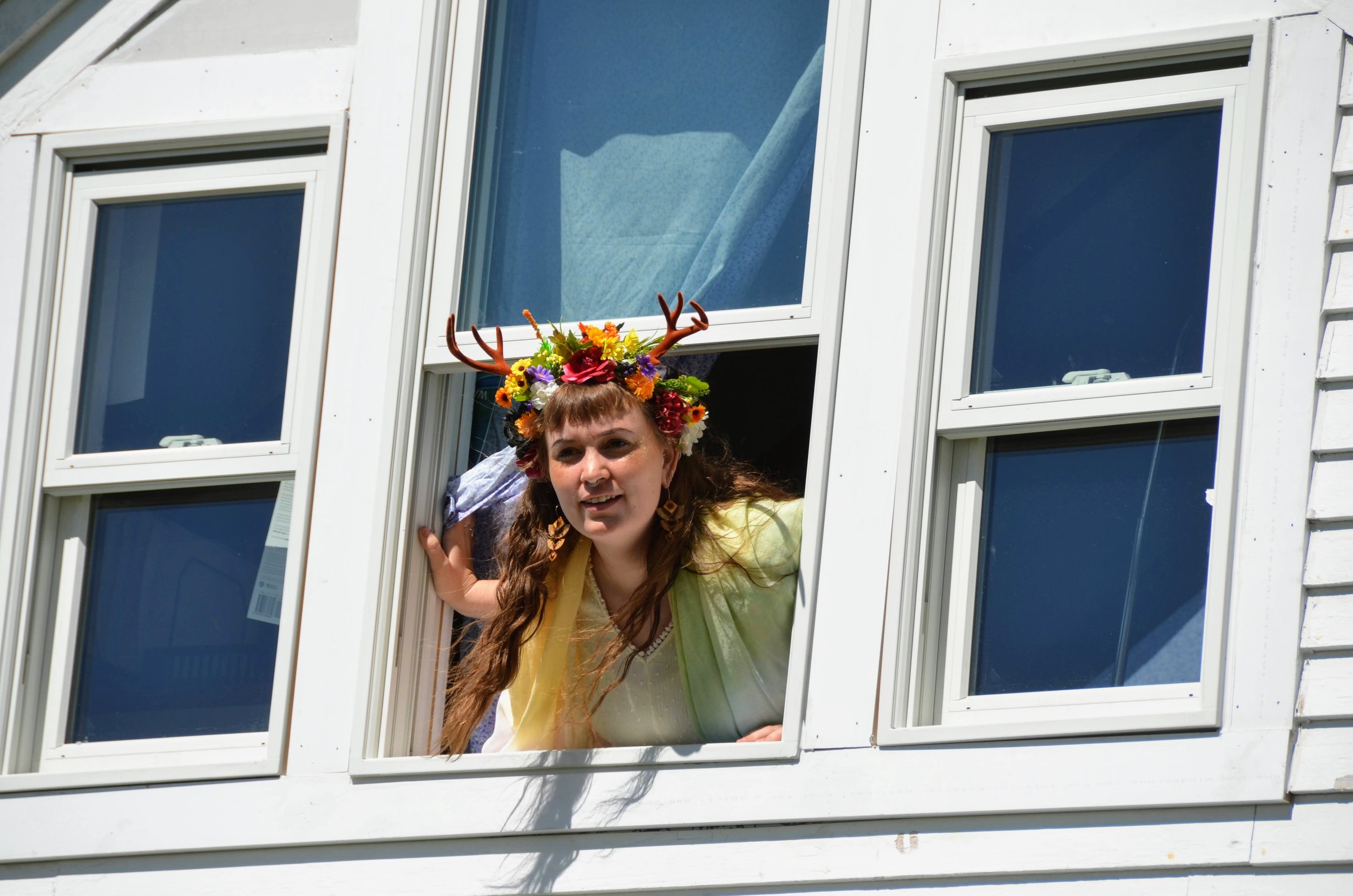
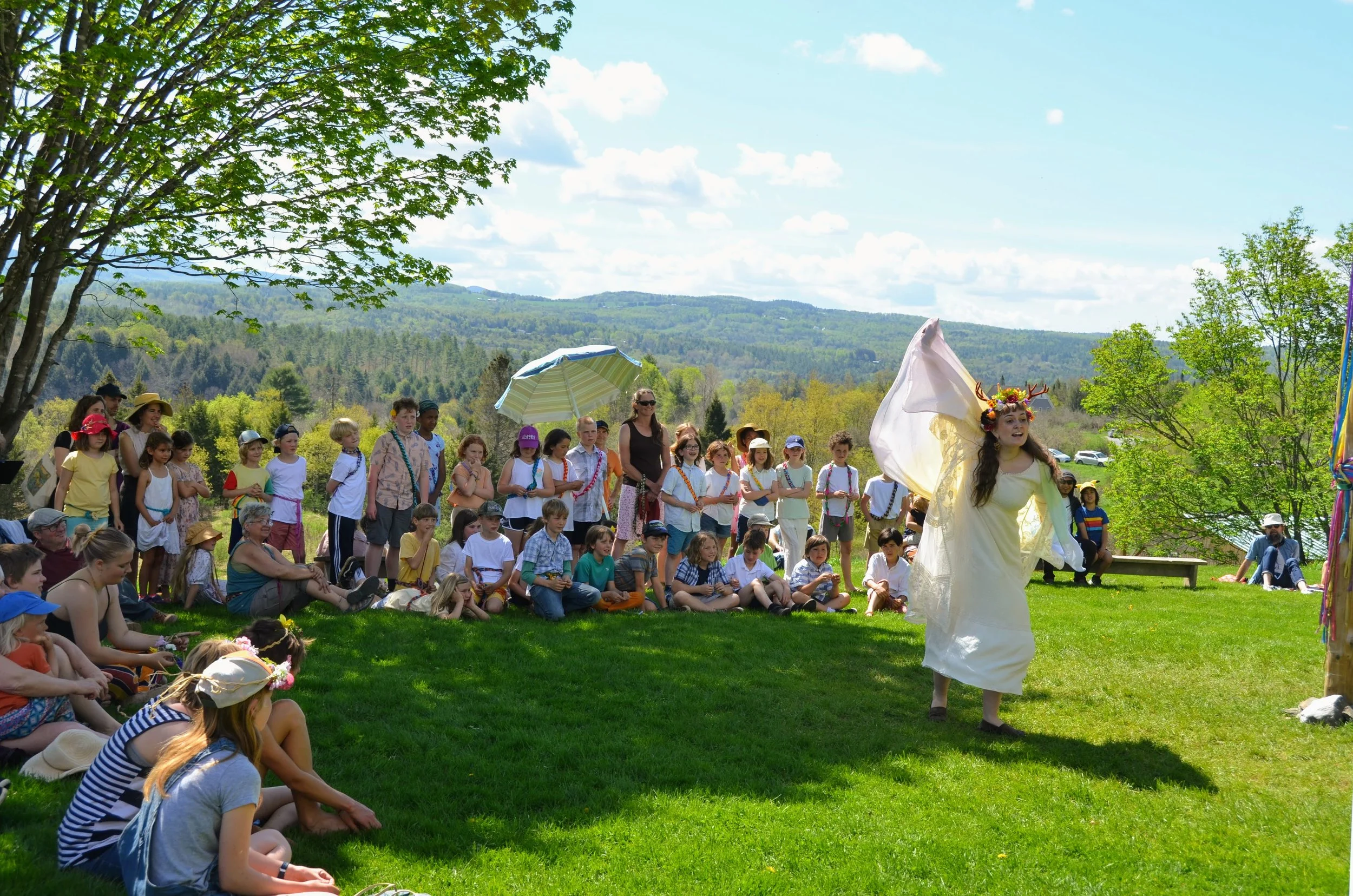
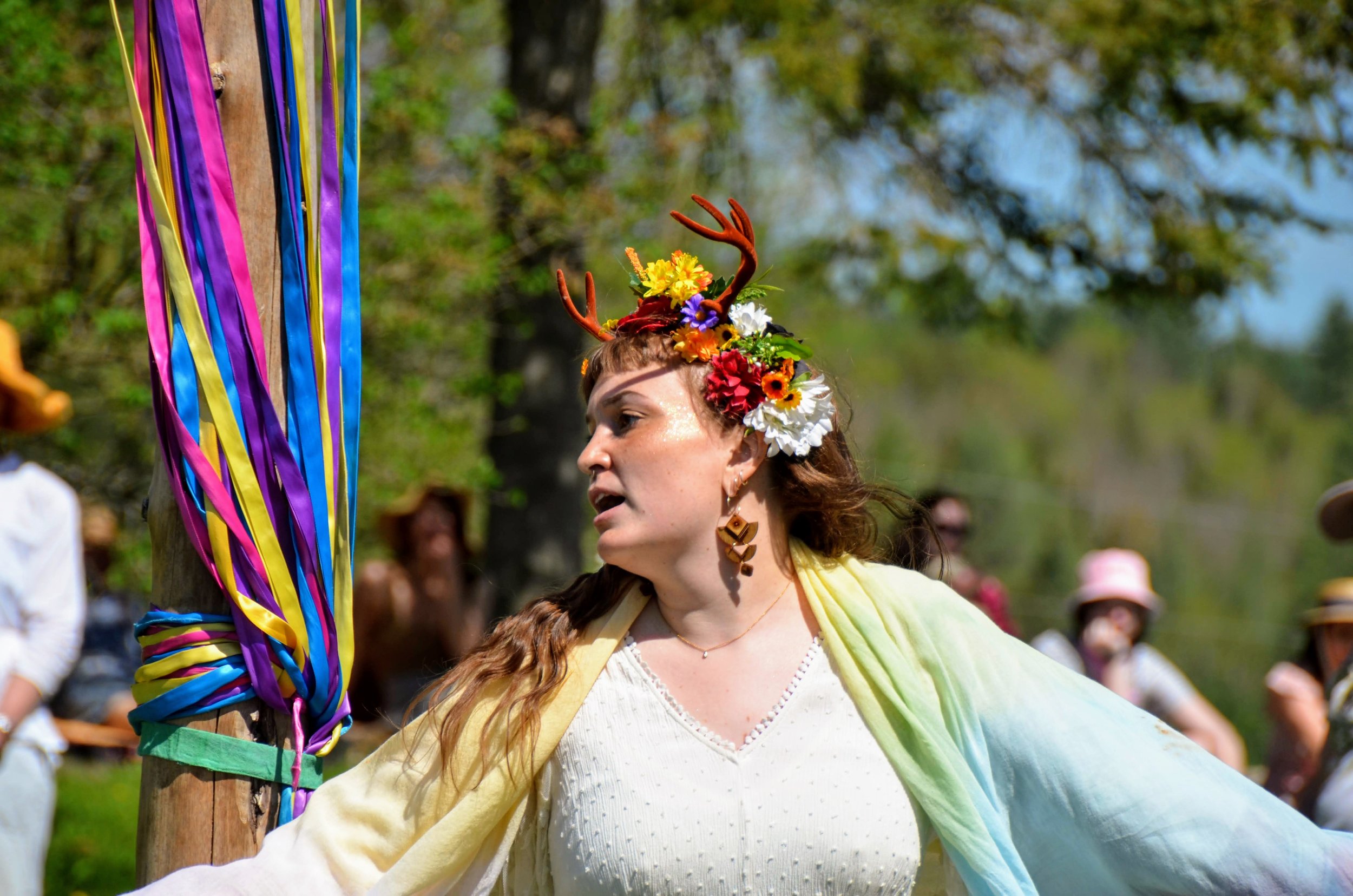
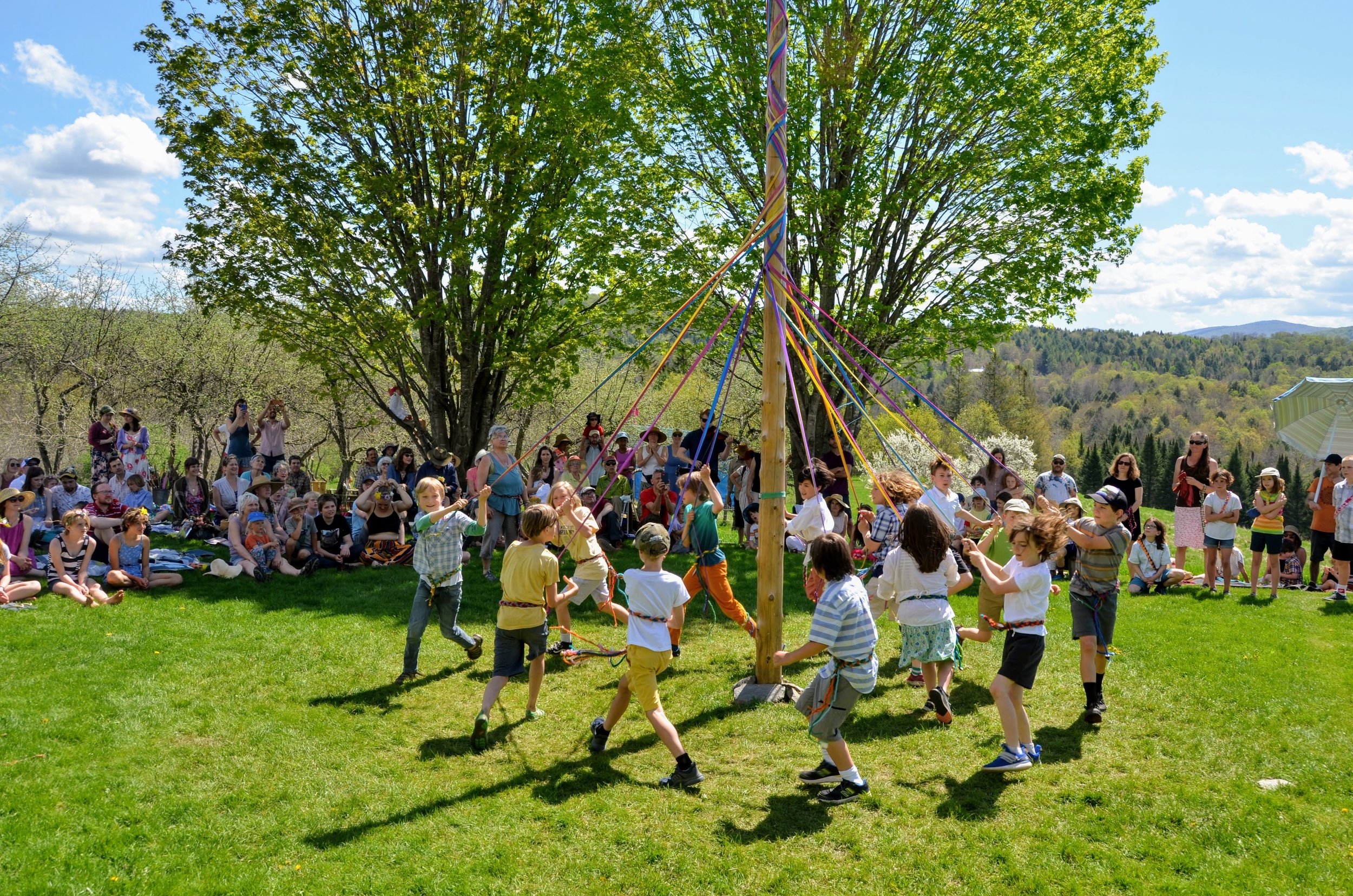
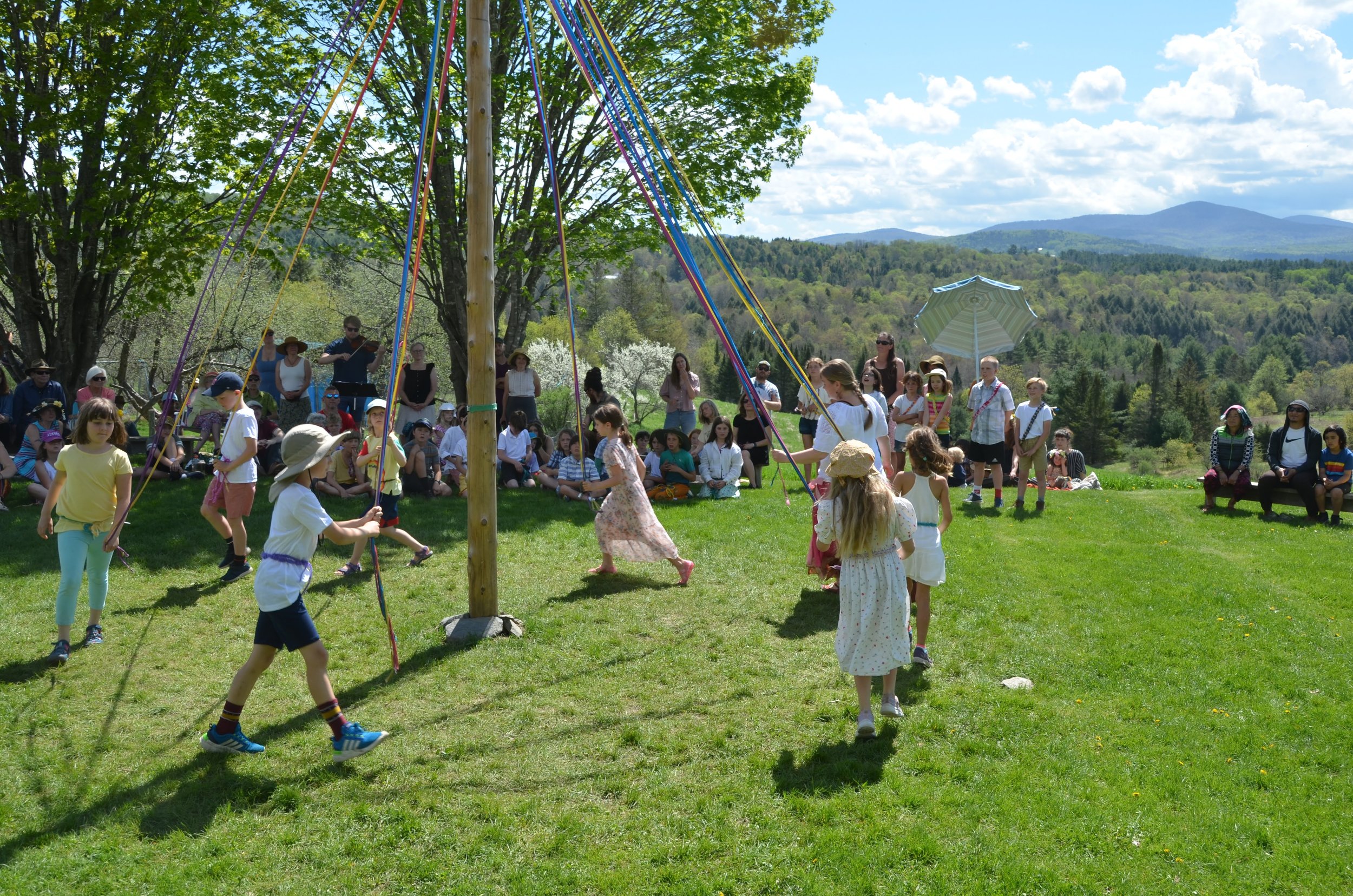
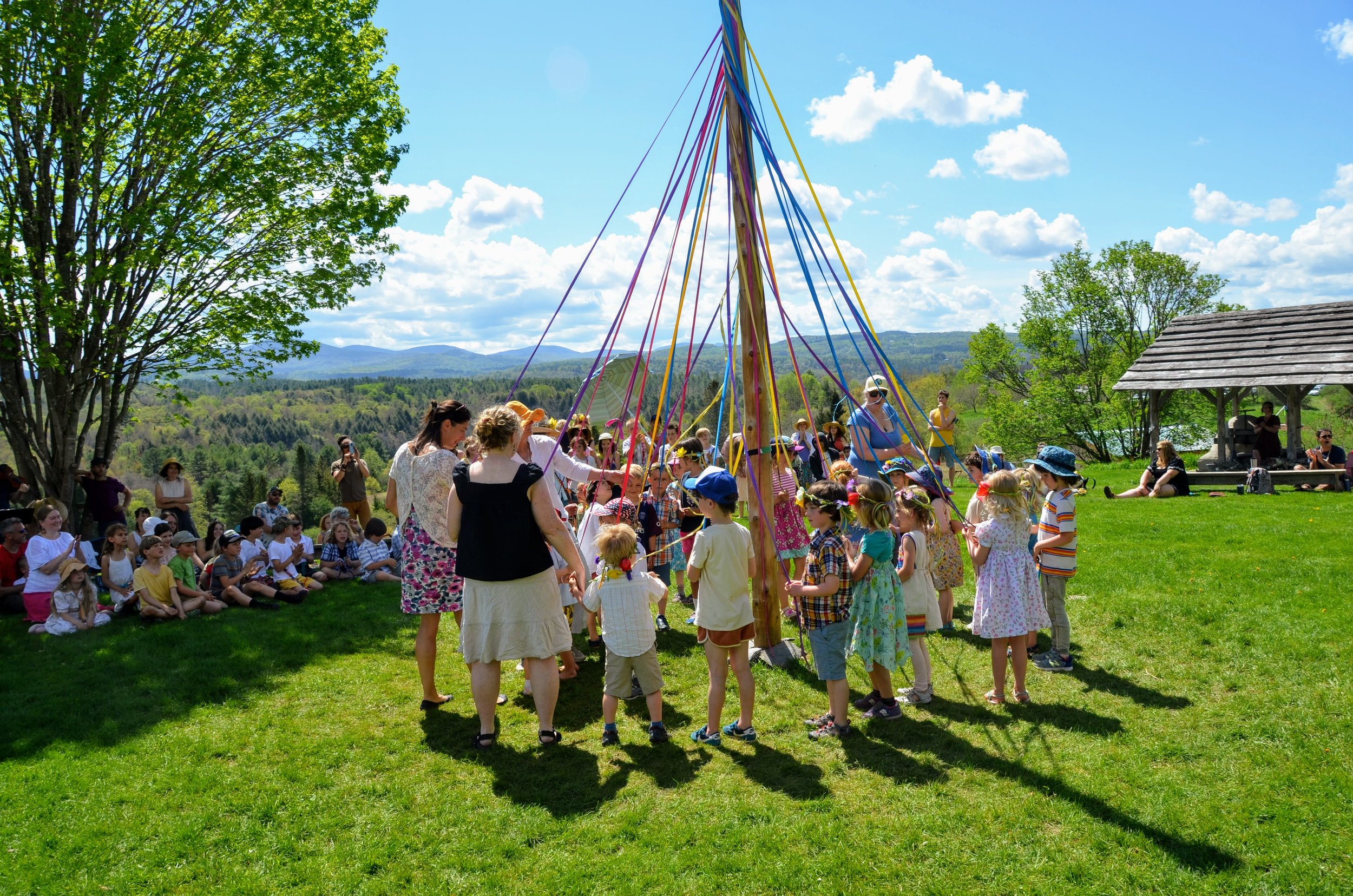
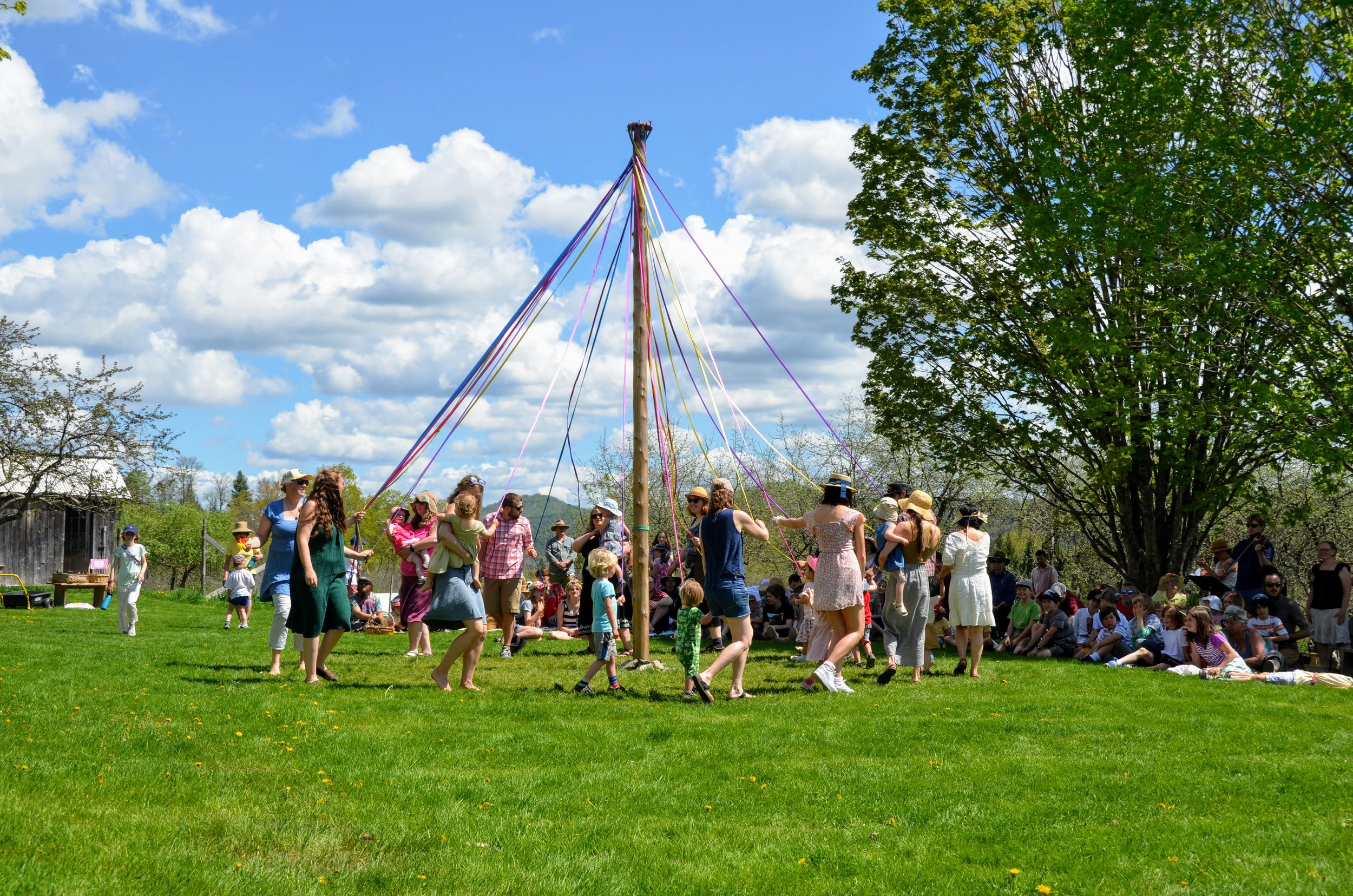
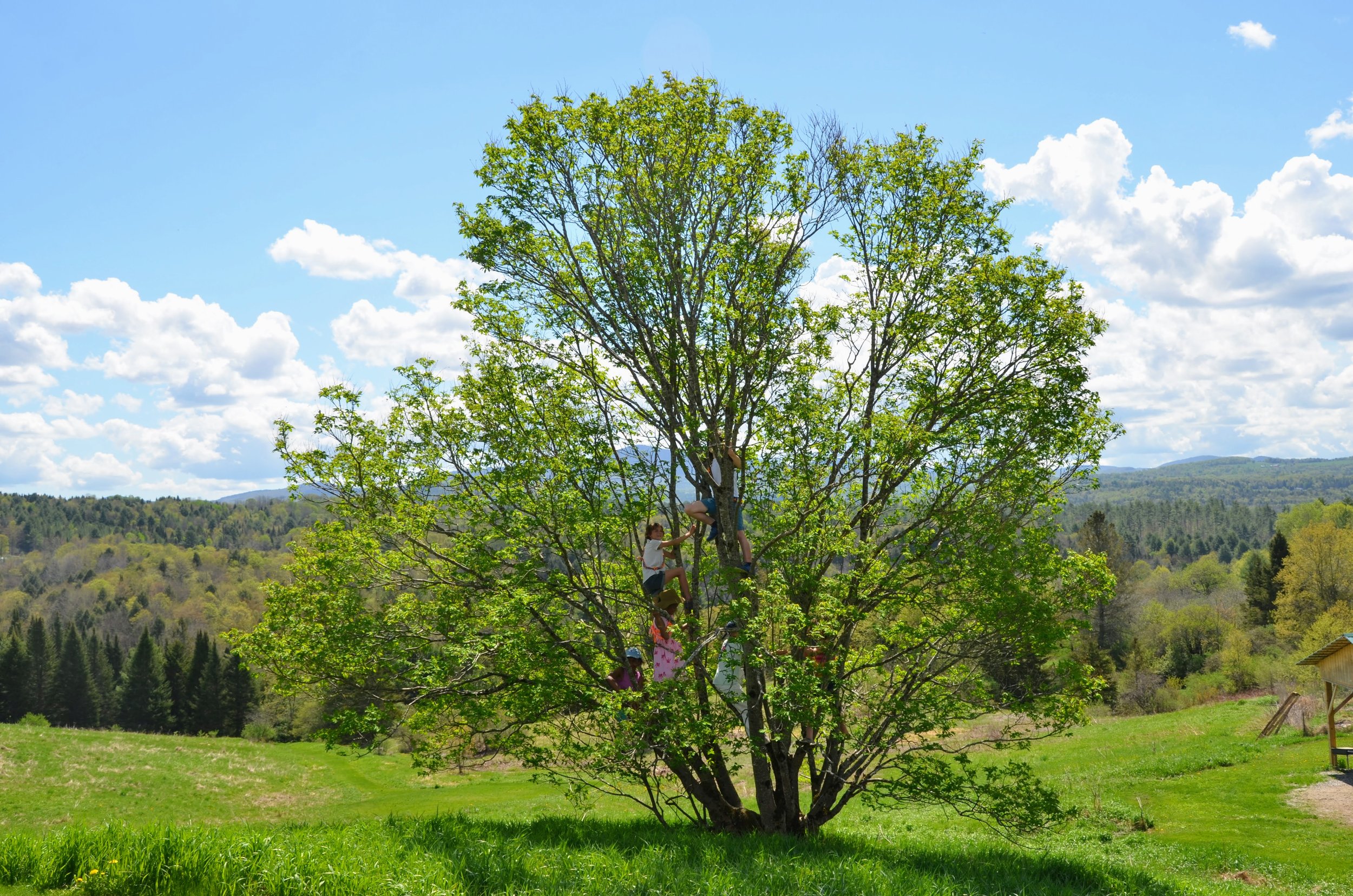
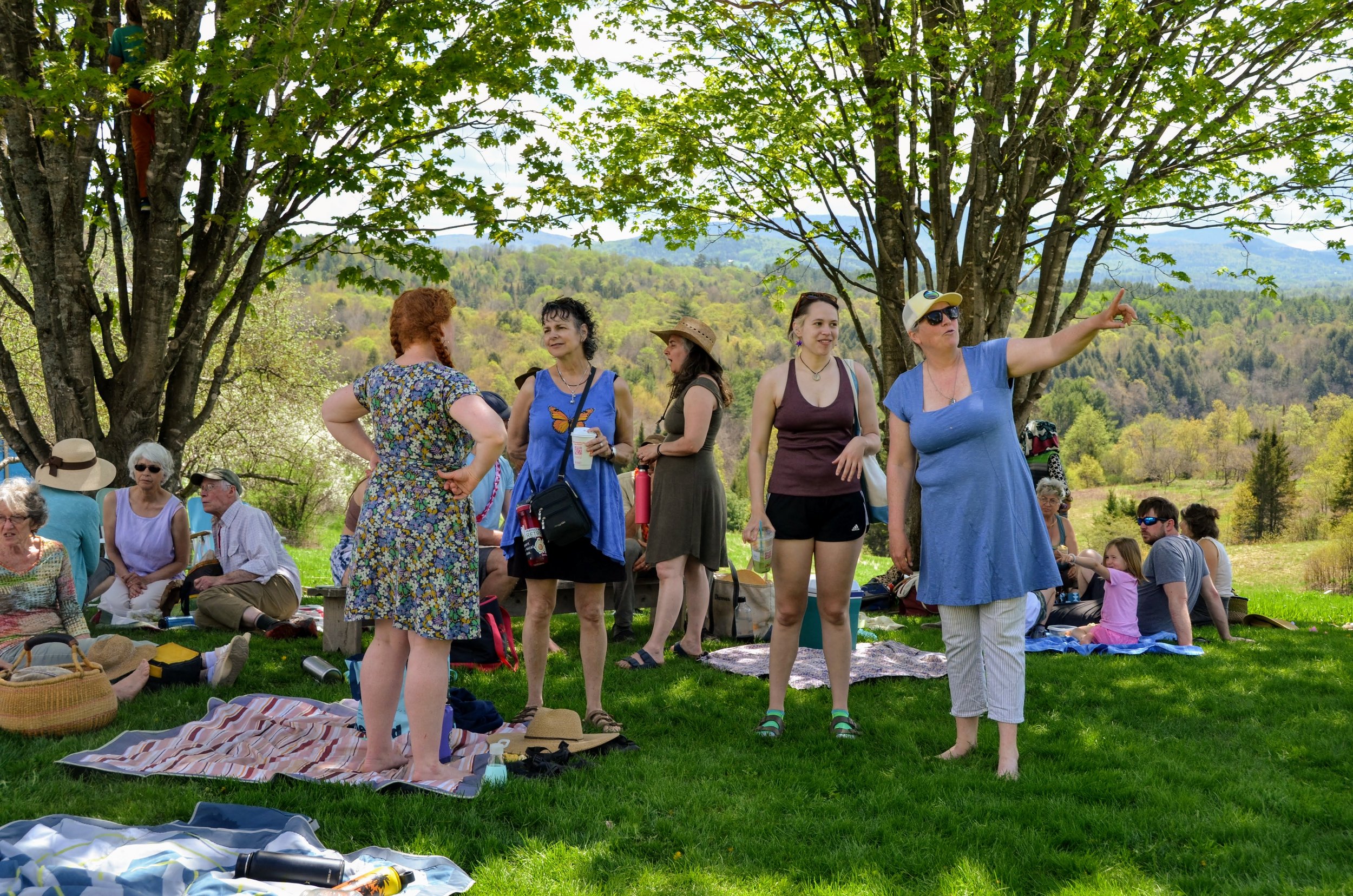
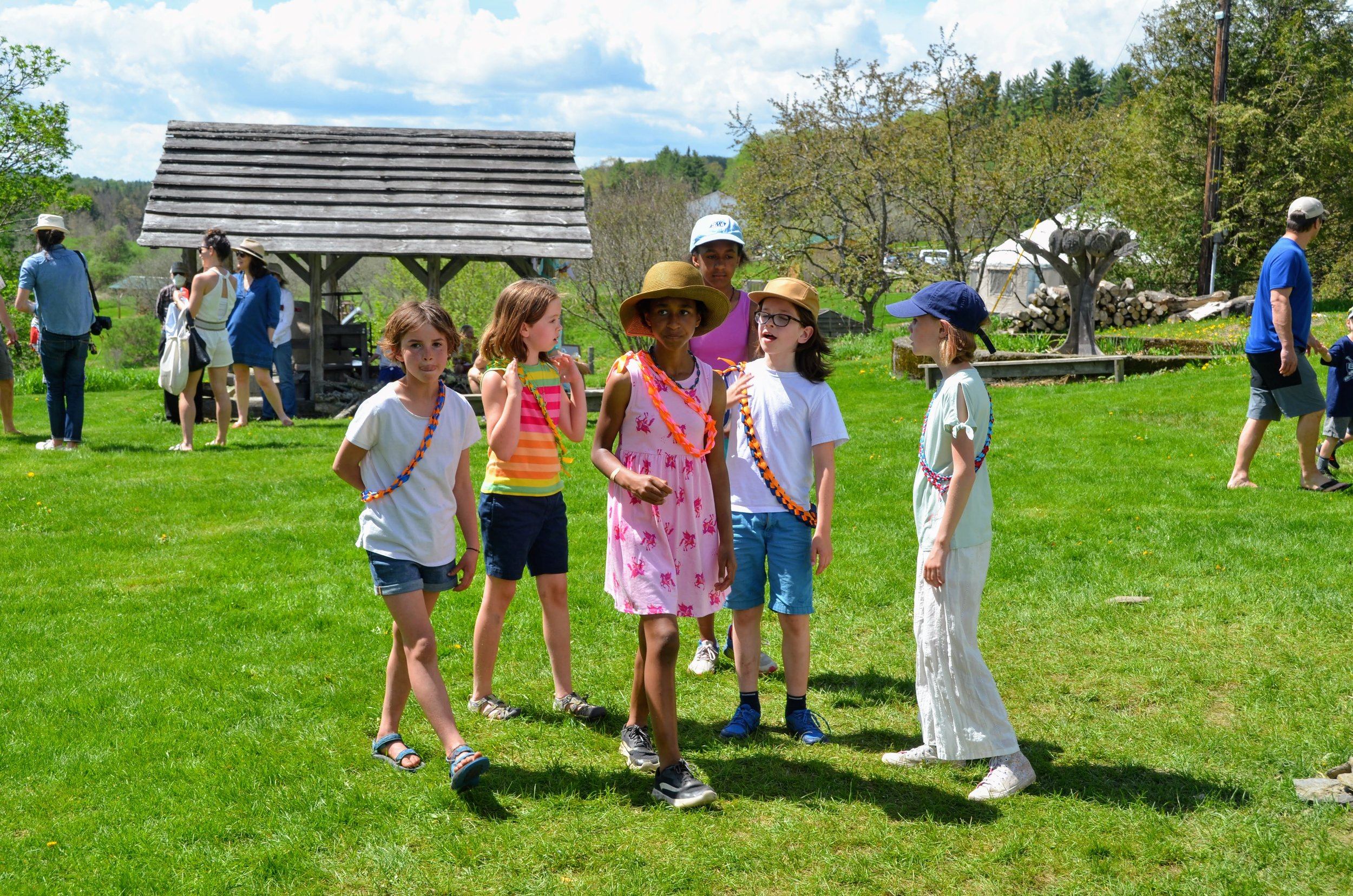
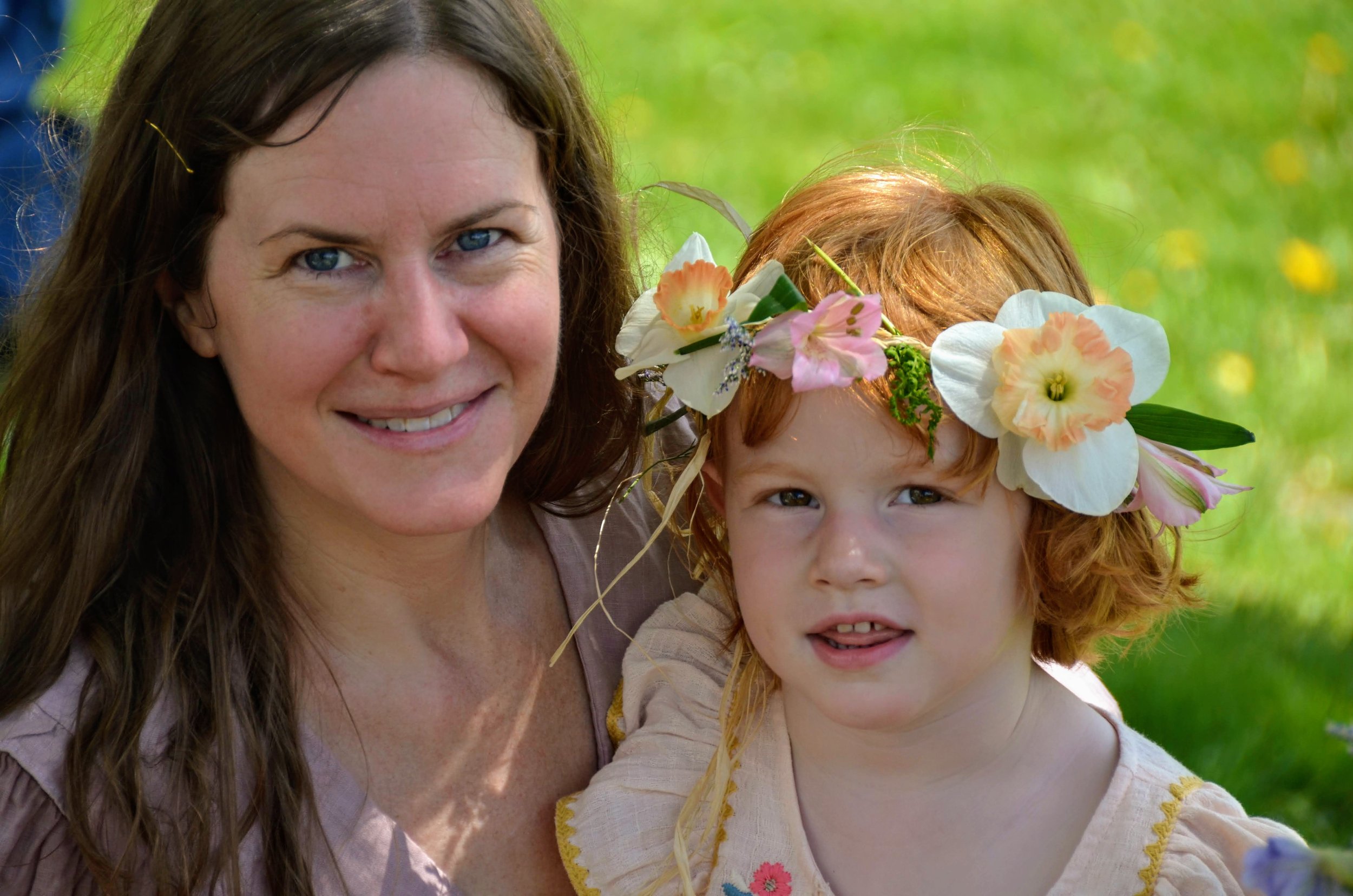
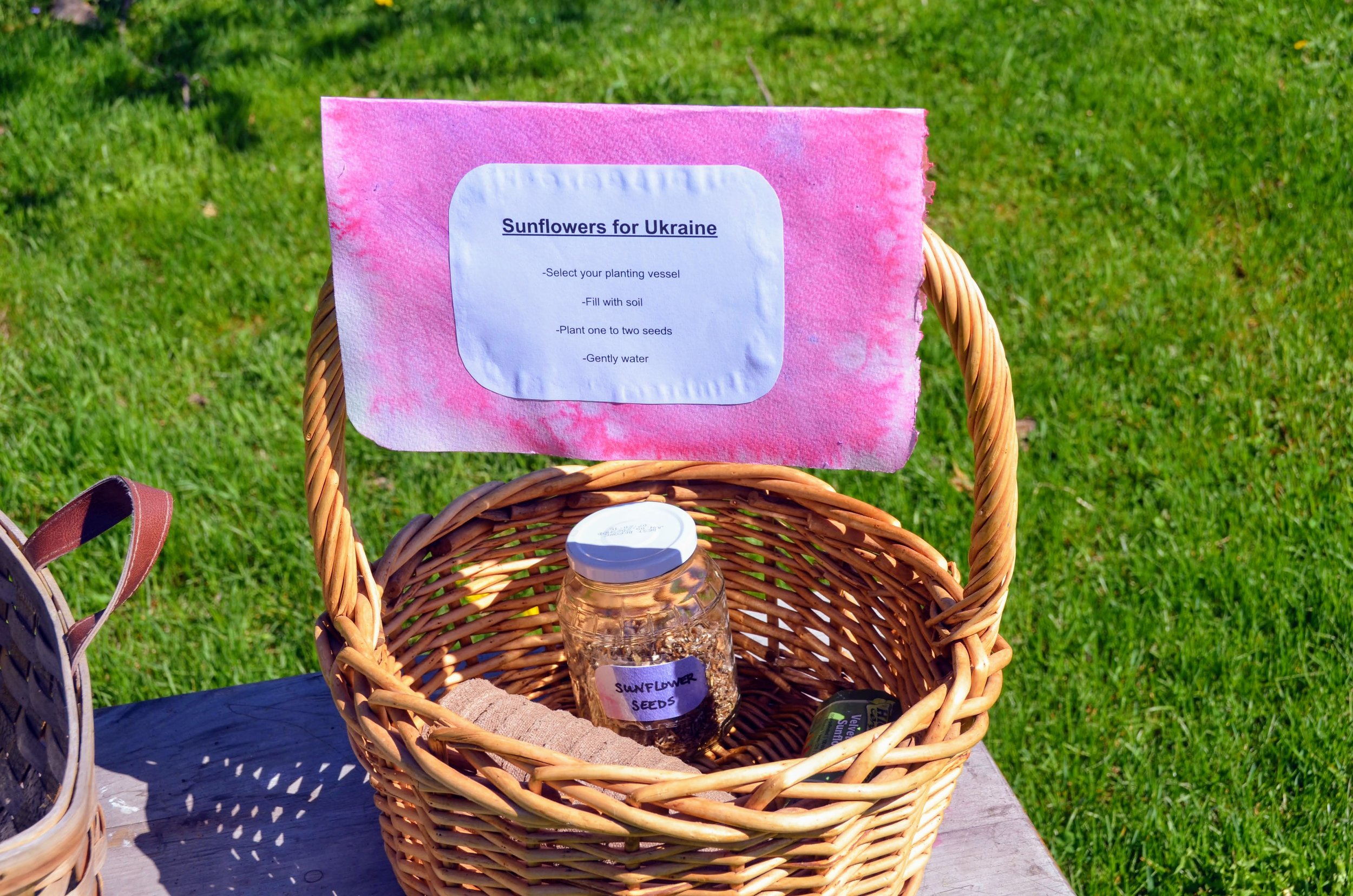
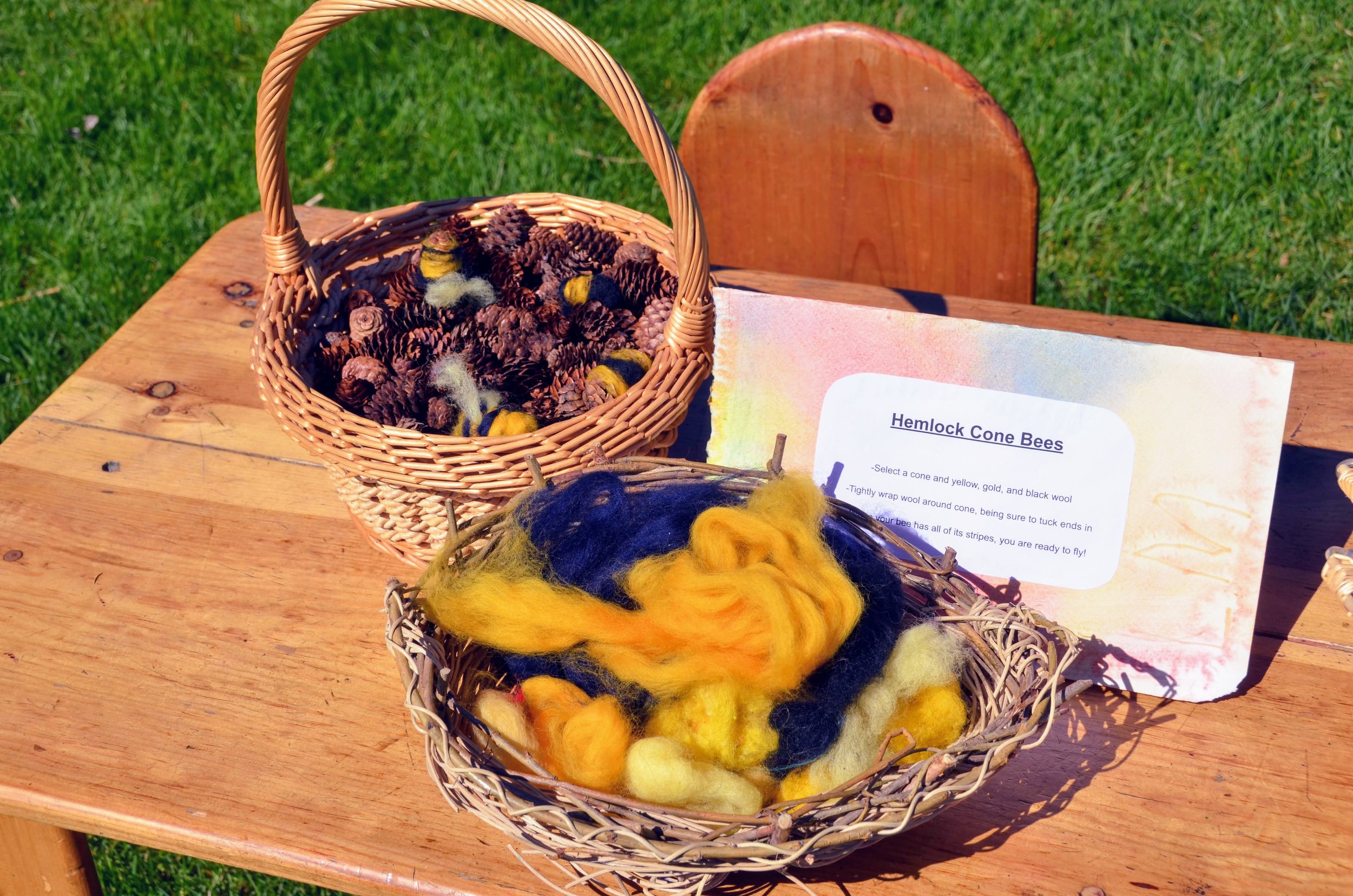
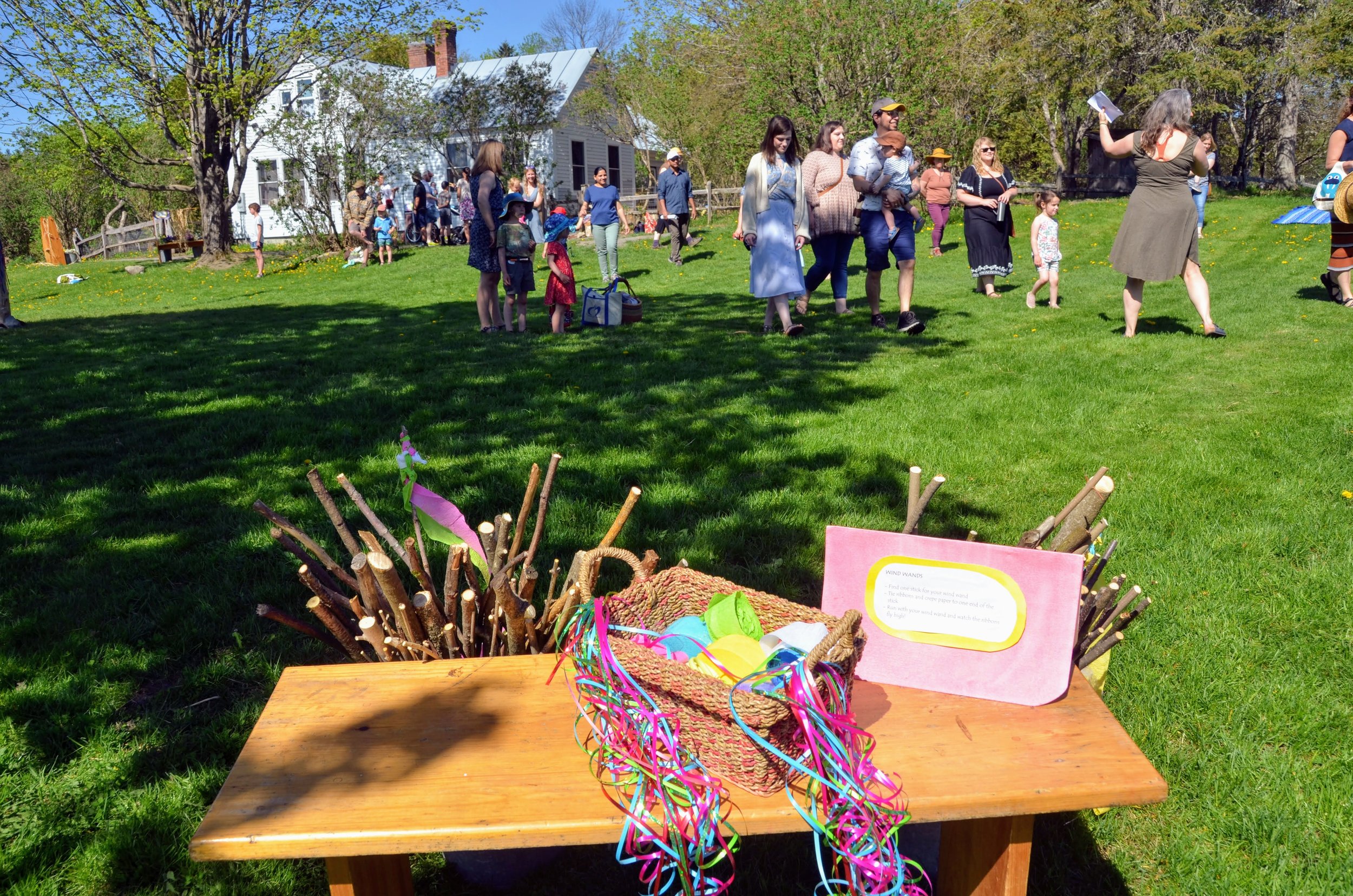
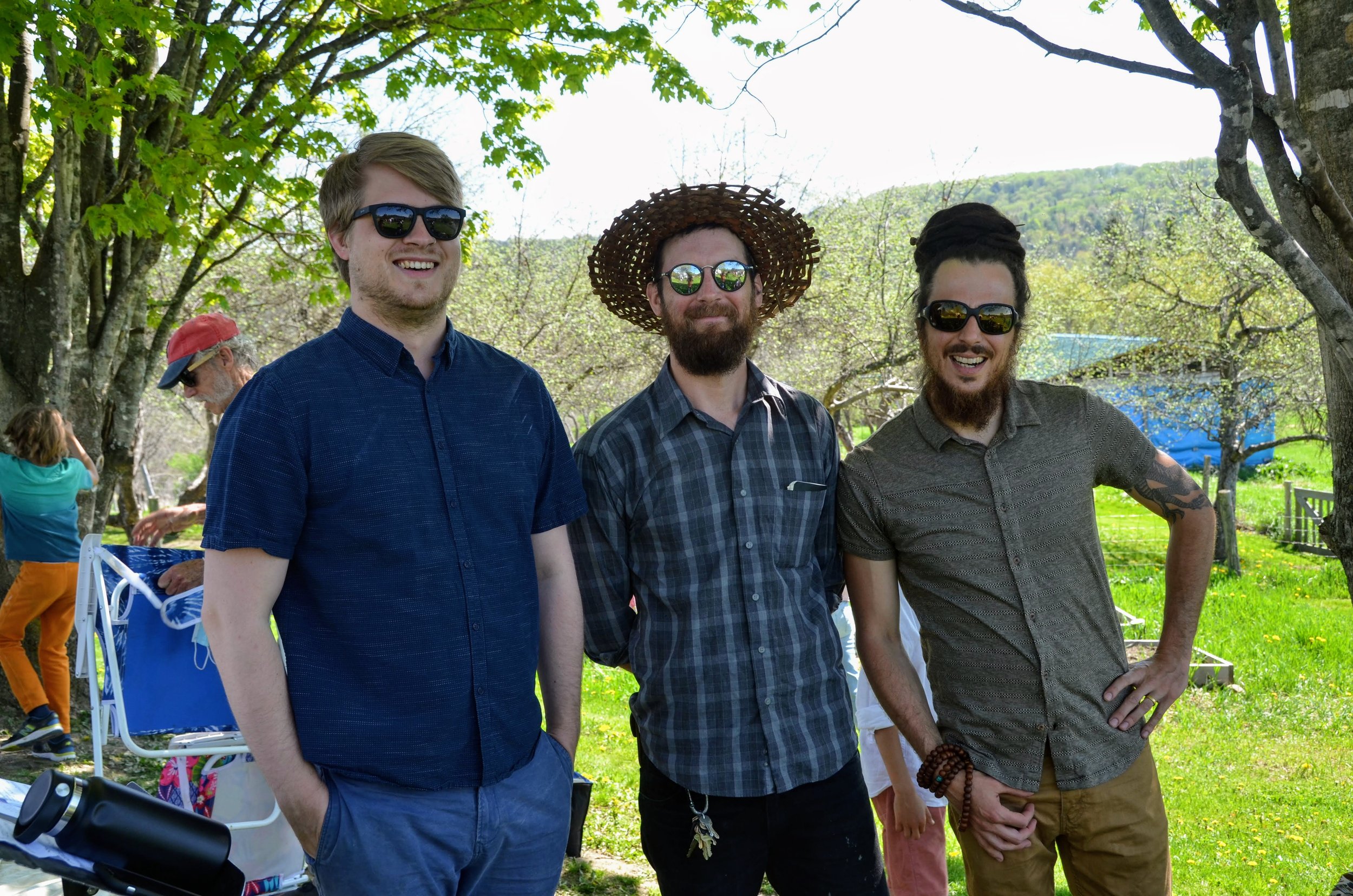
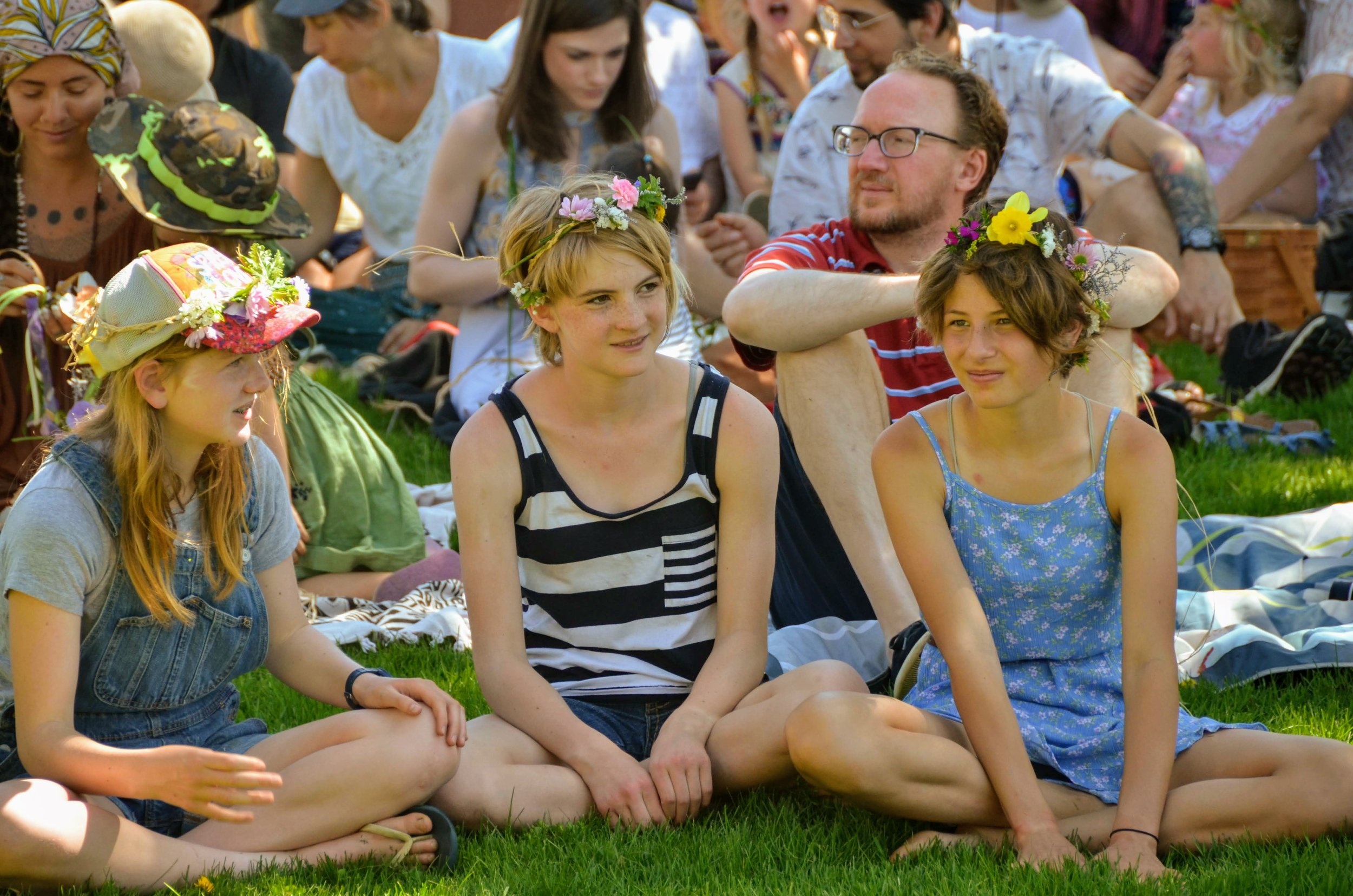
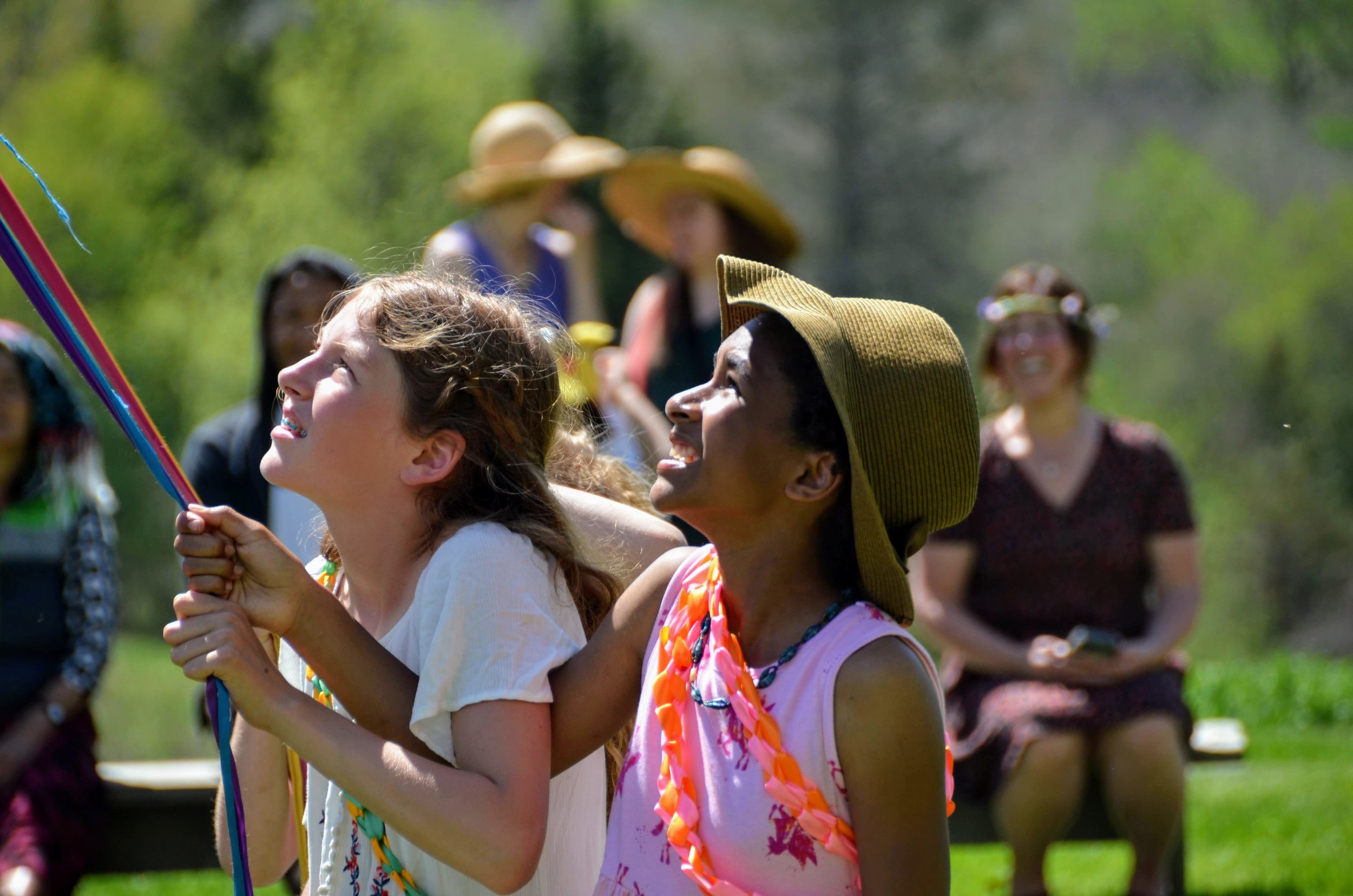
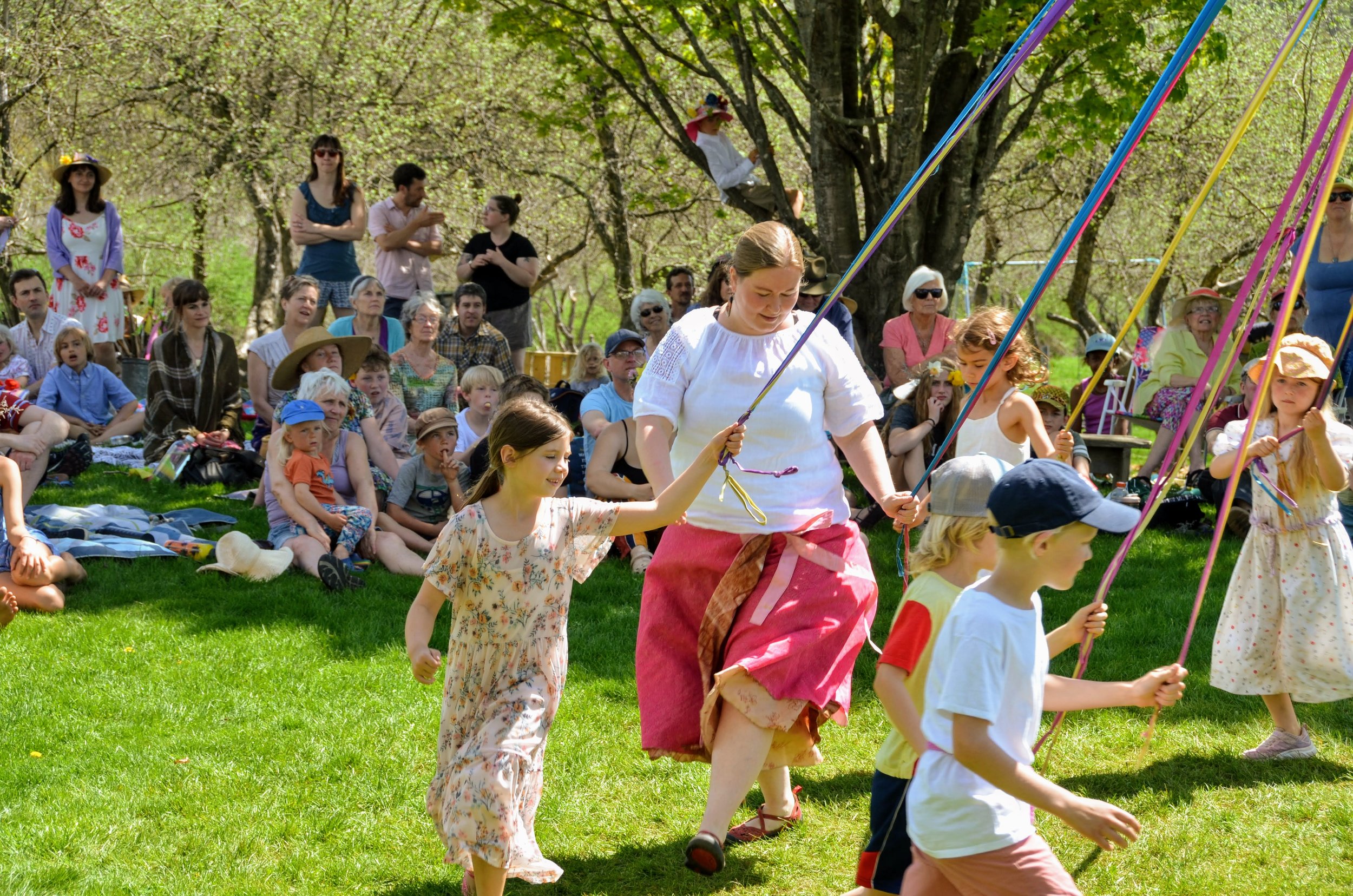
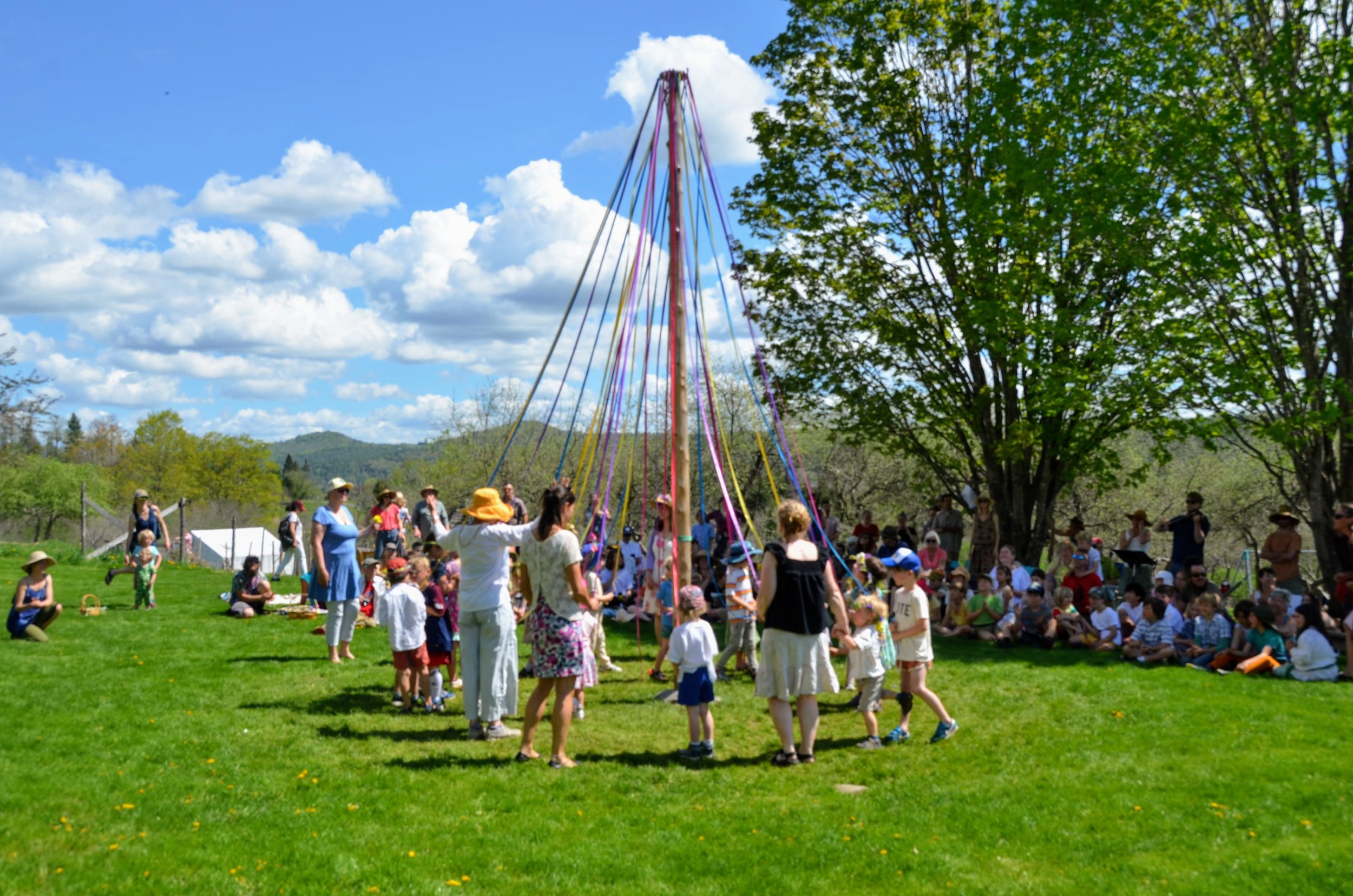
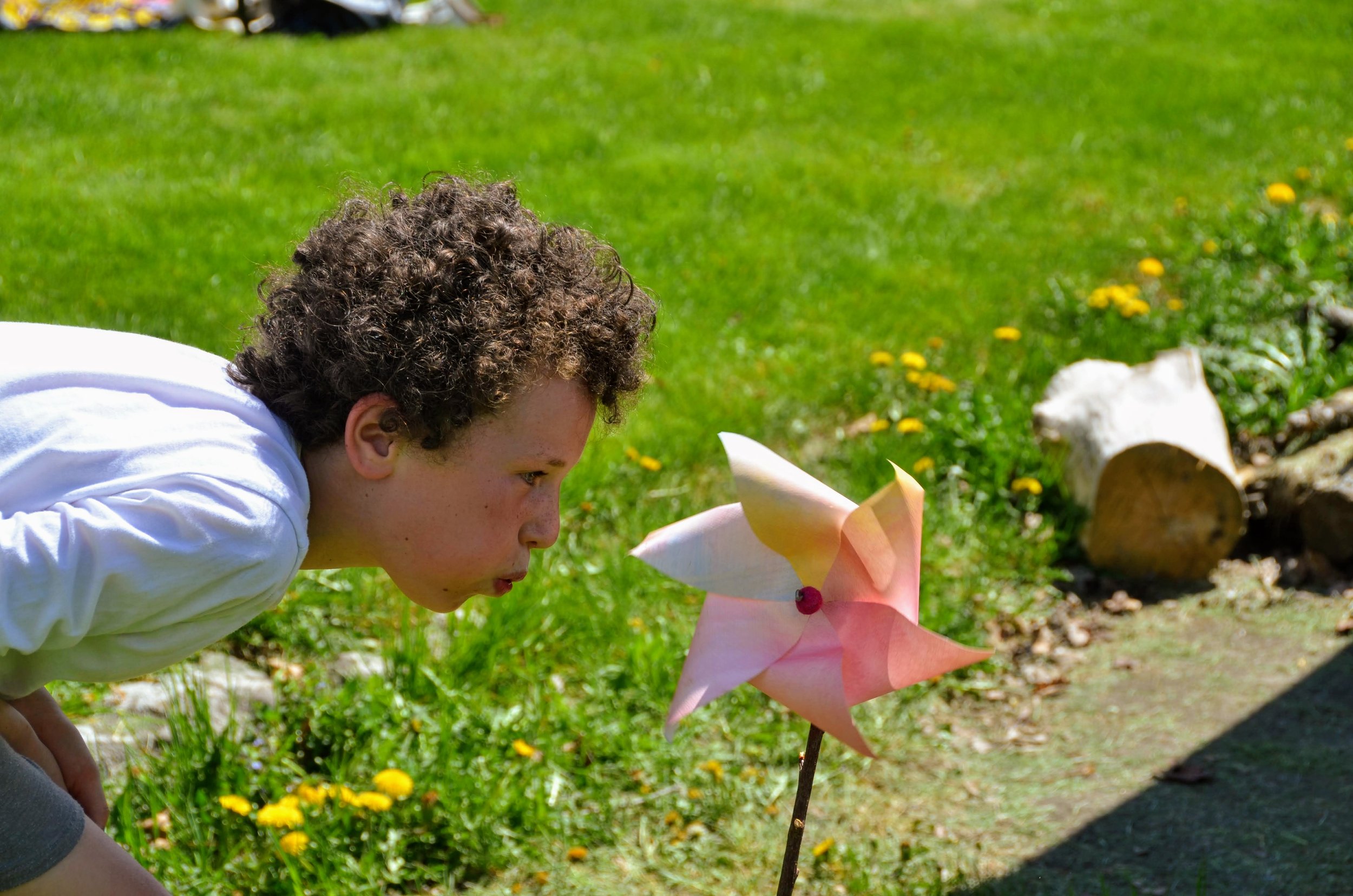
banner image, article photo and gallery photos by Johannes Otter
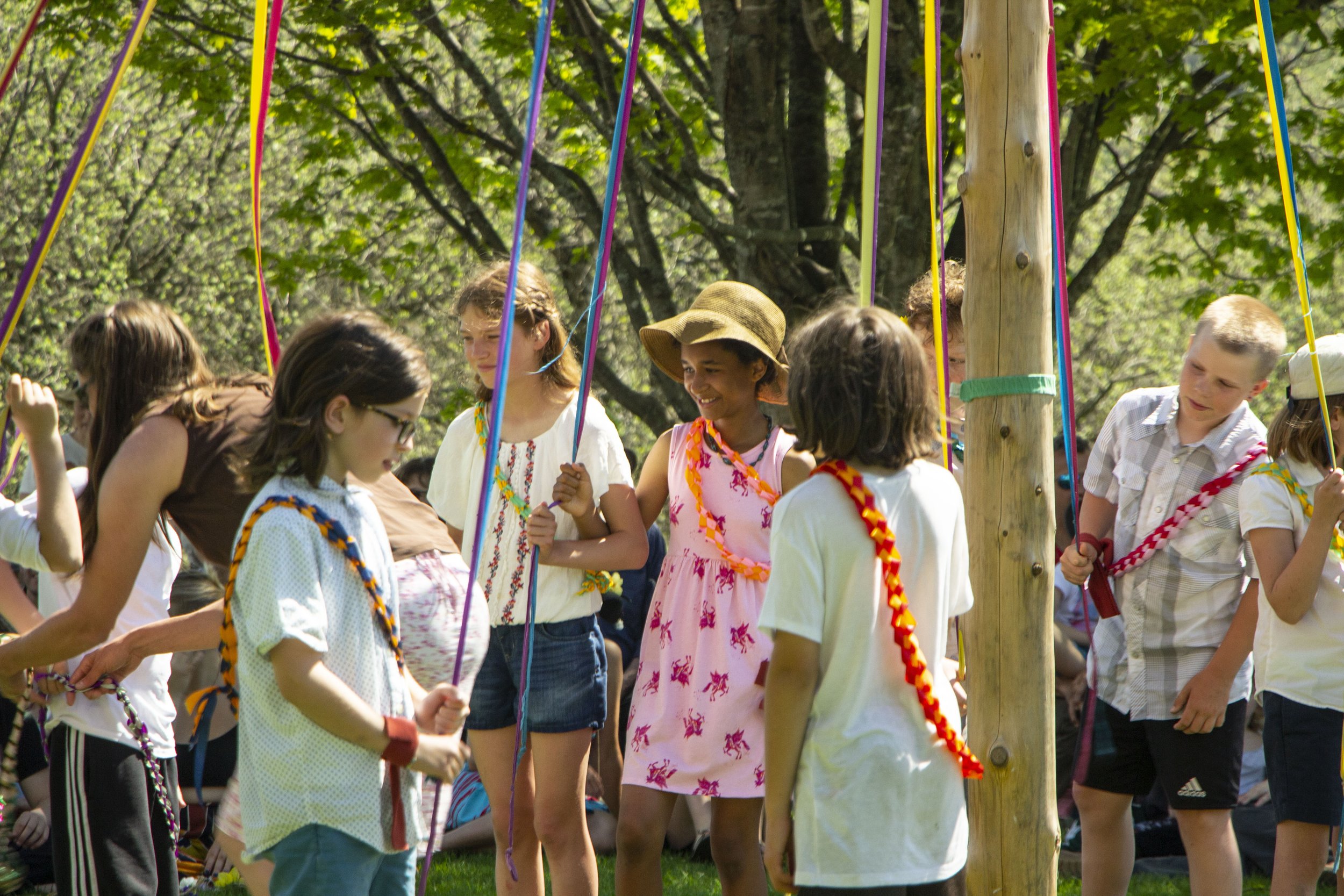
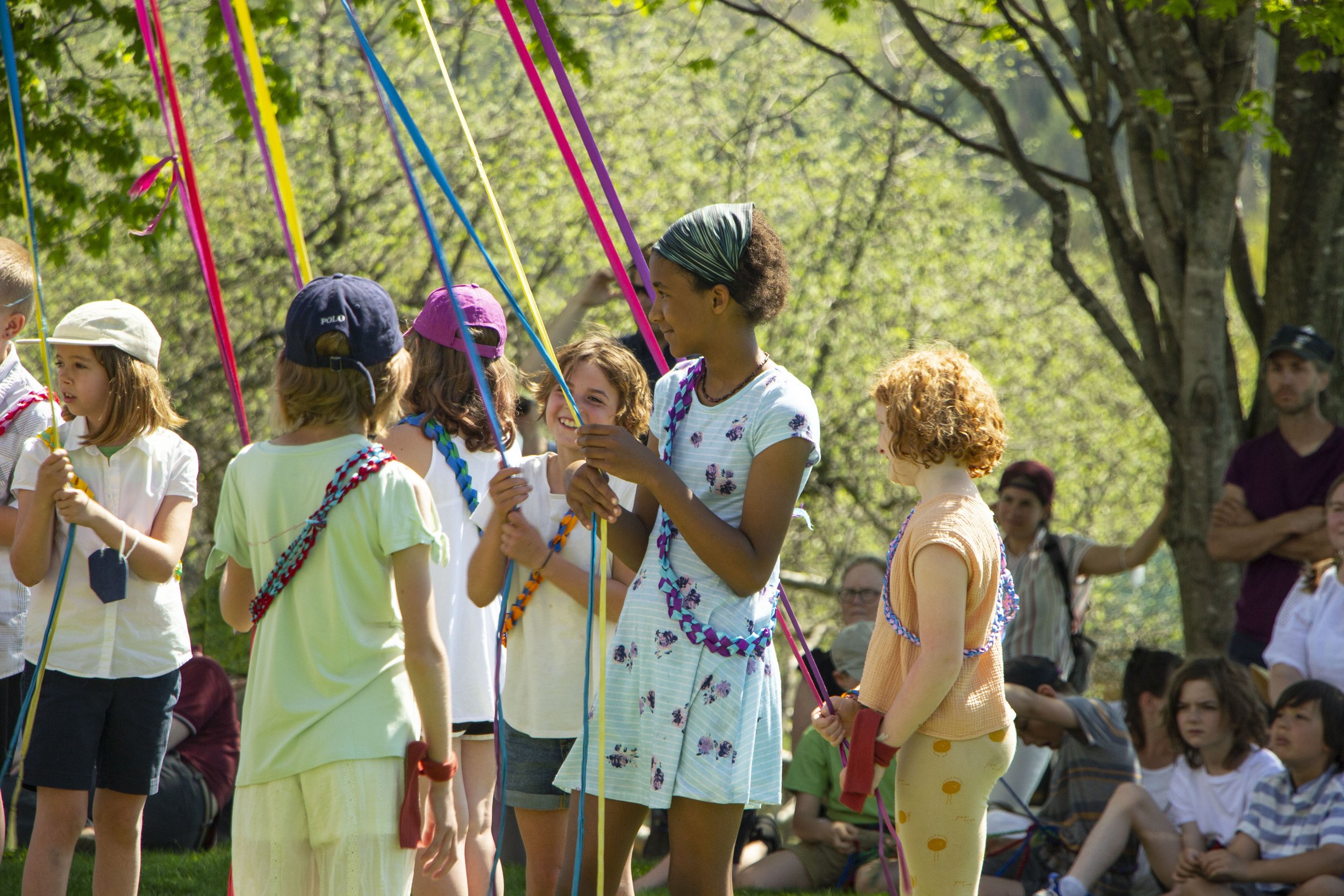
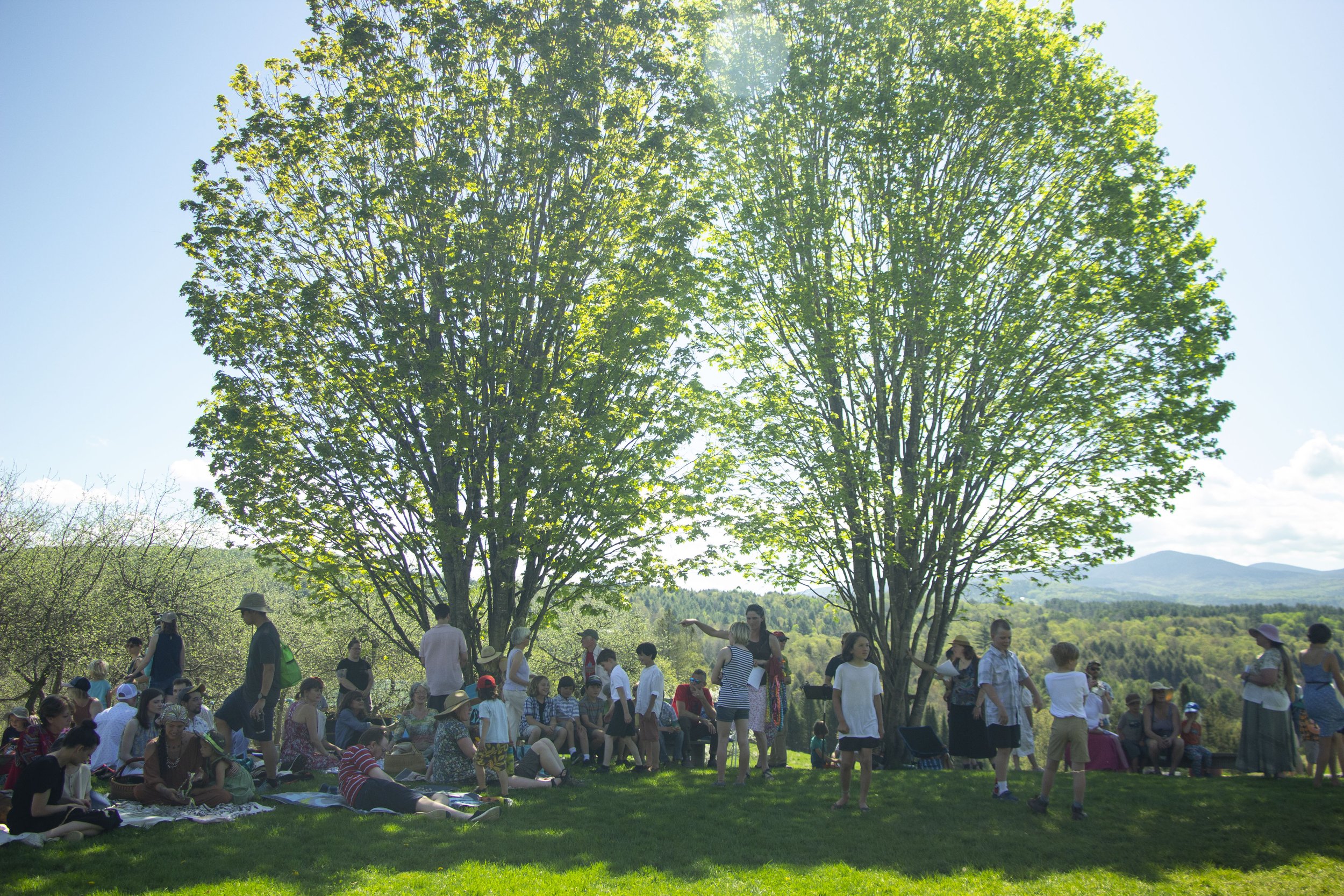
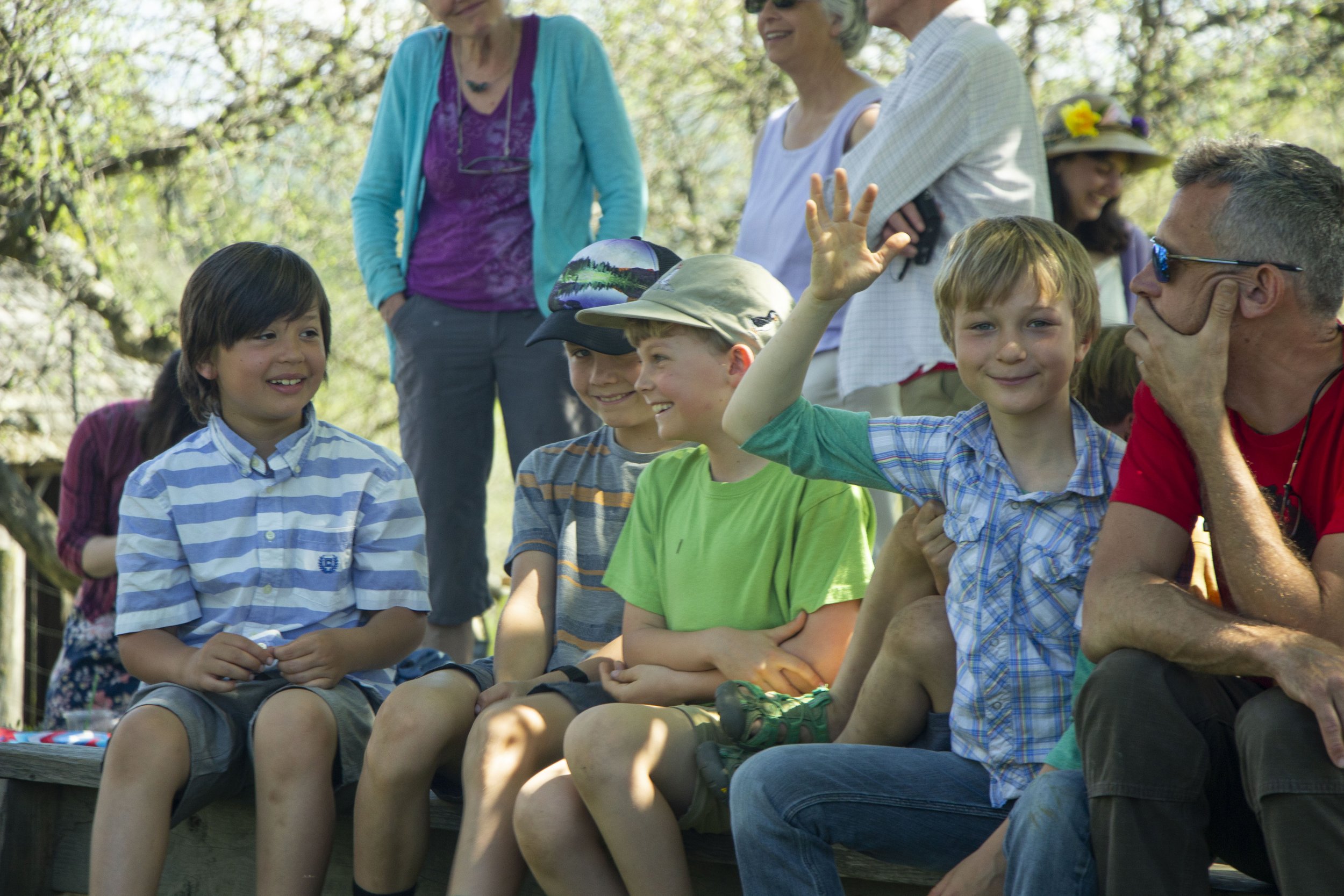
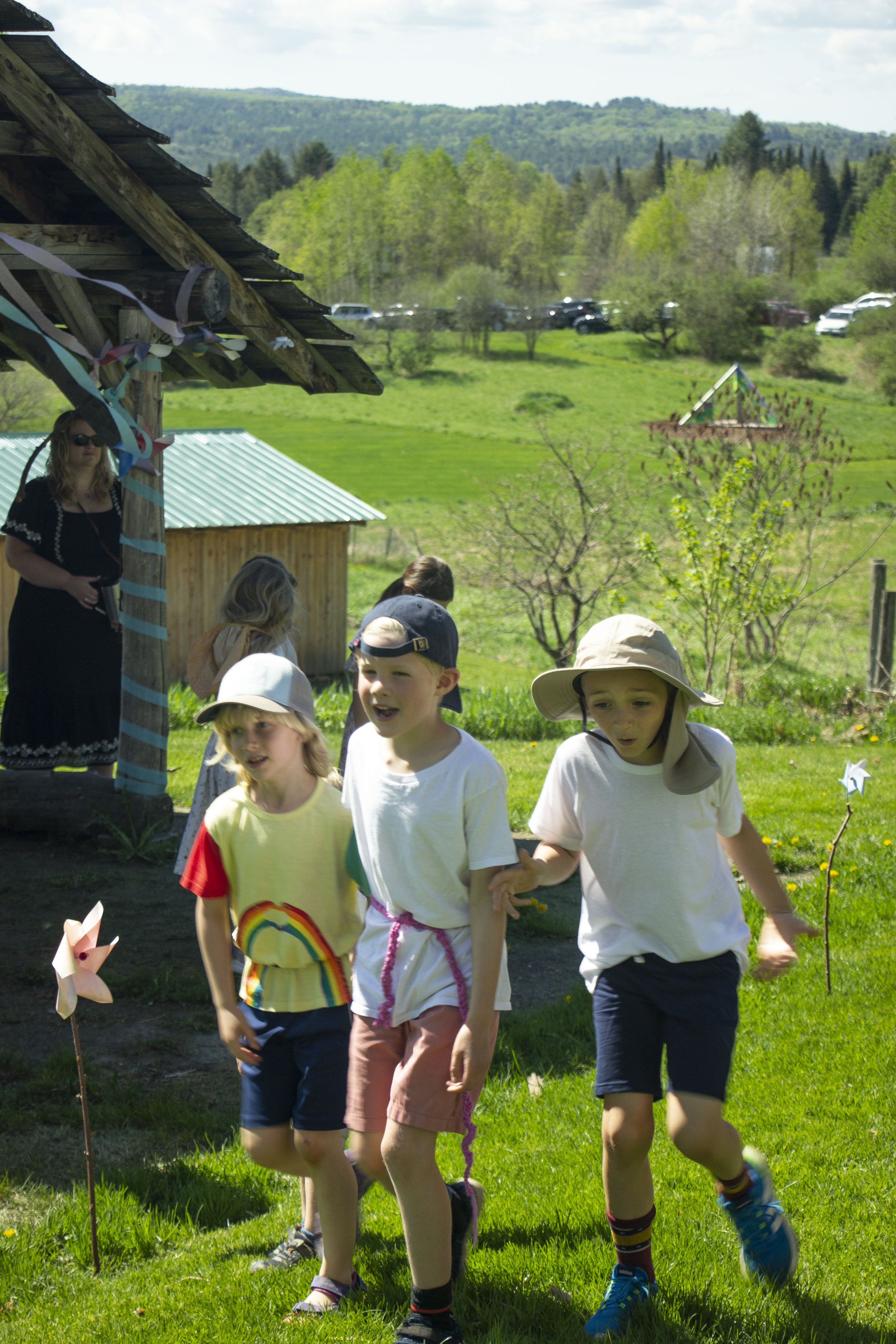
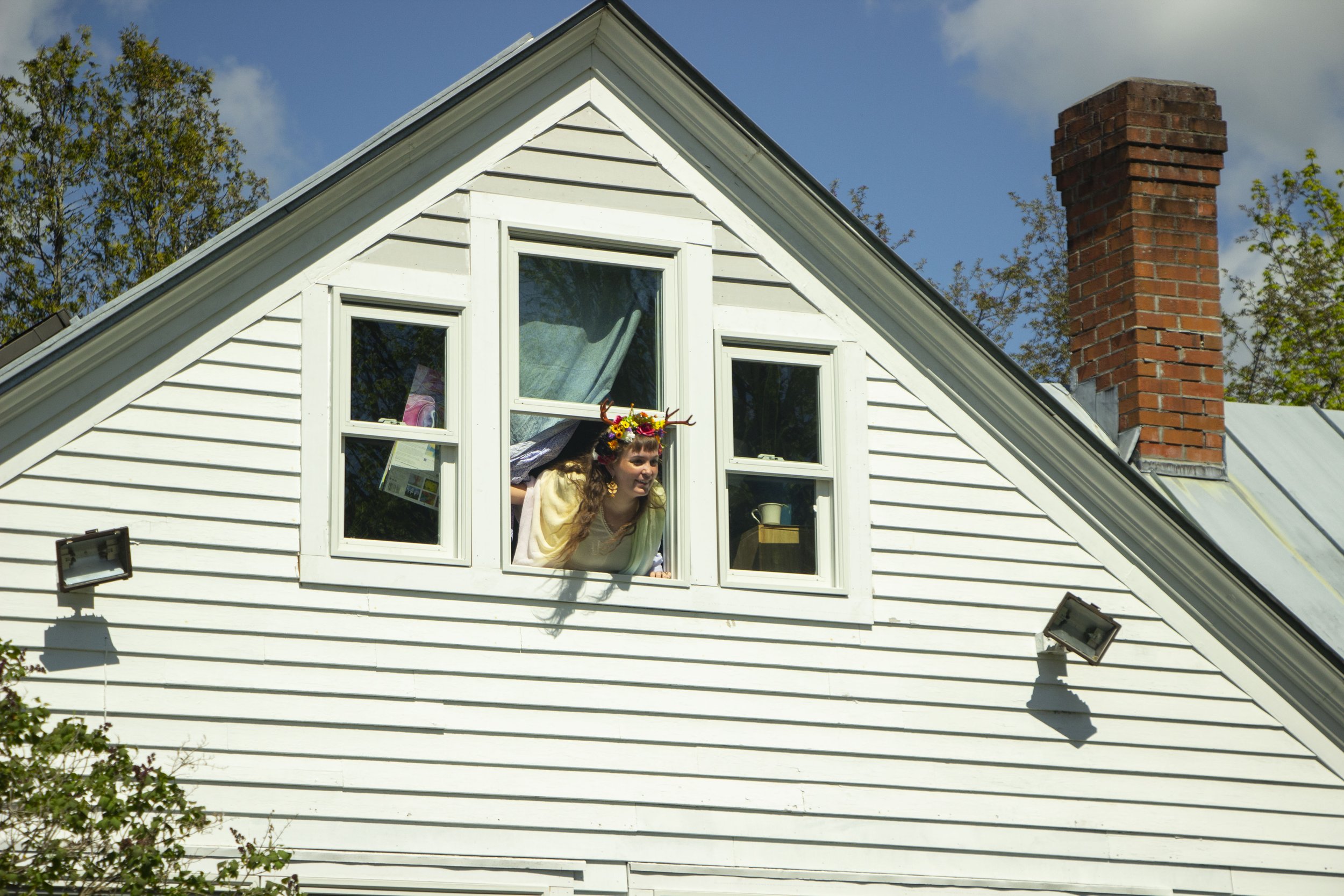
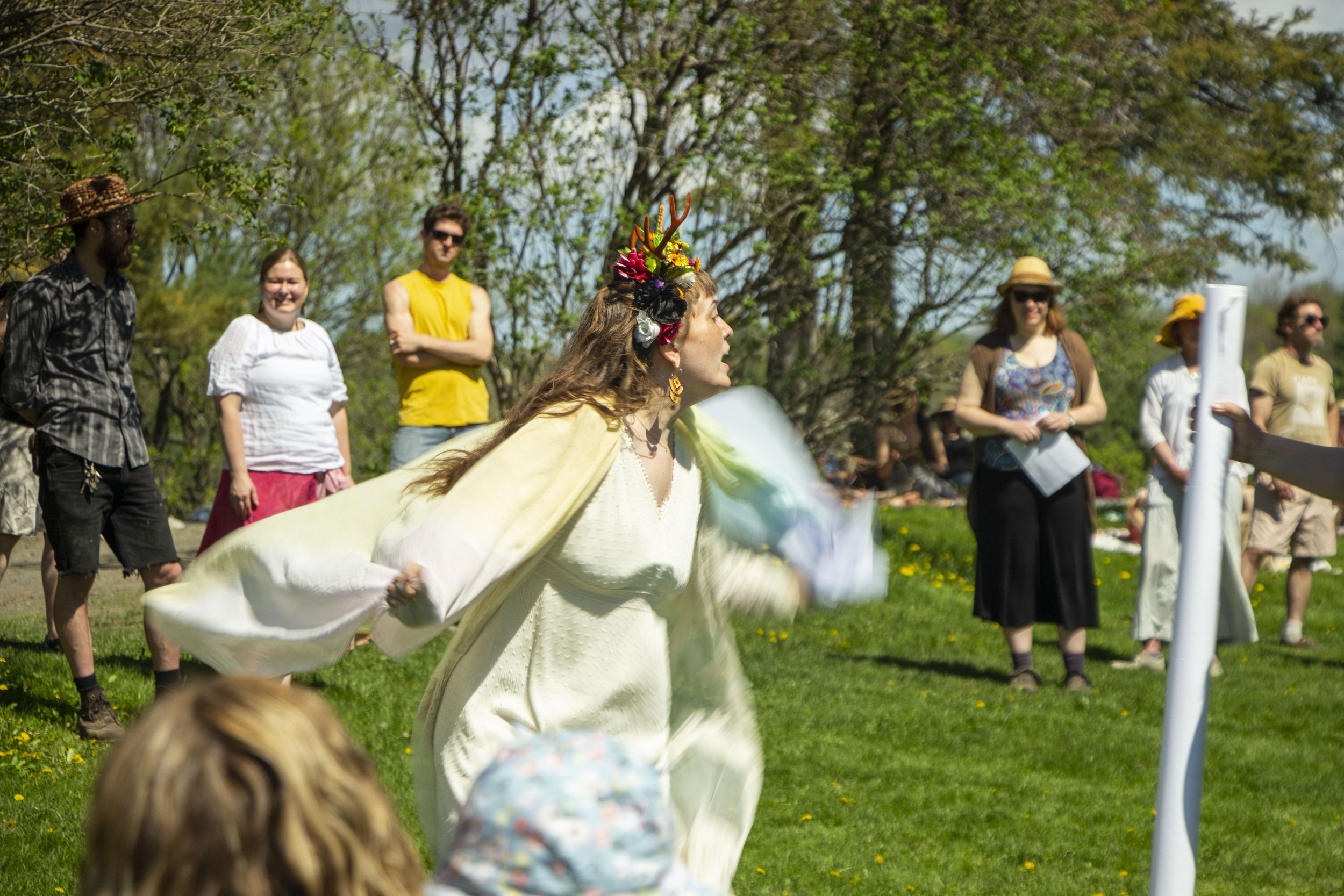
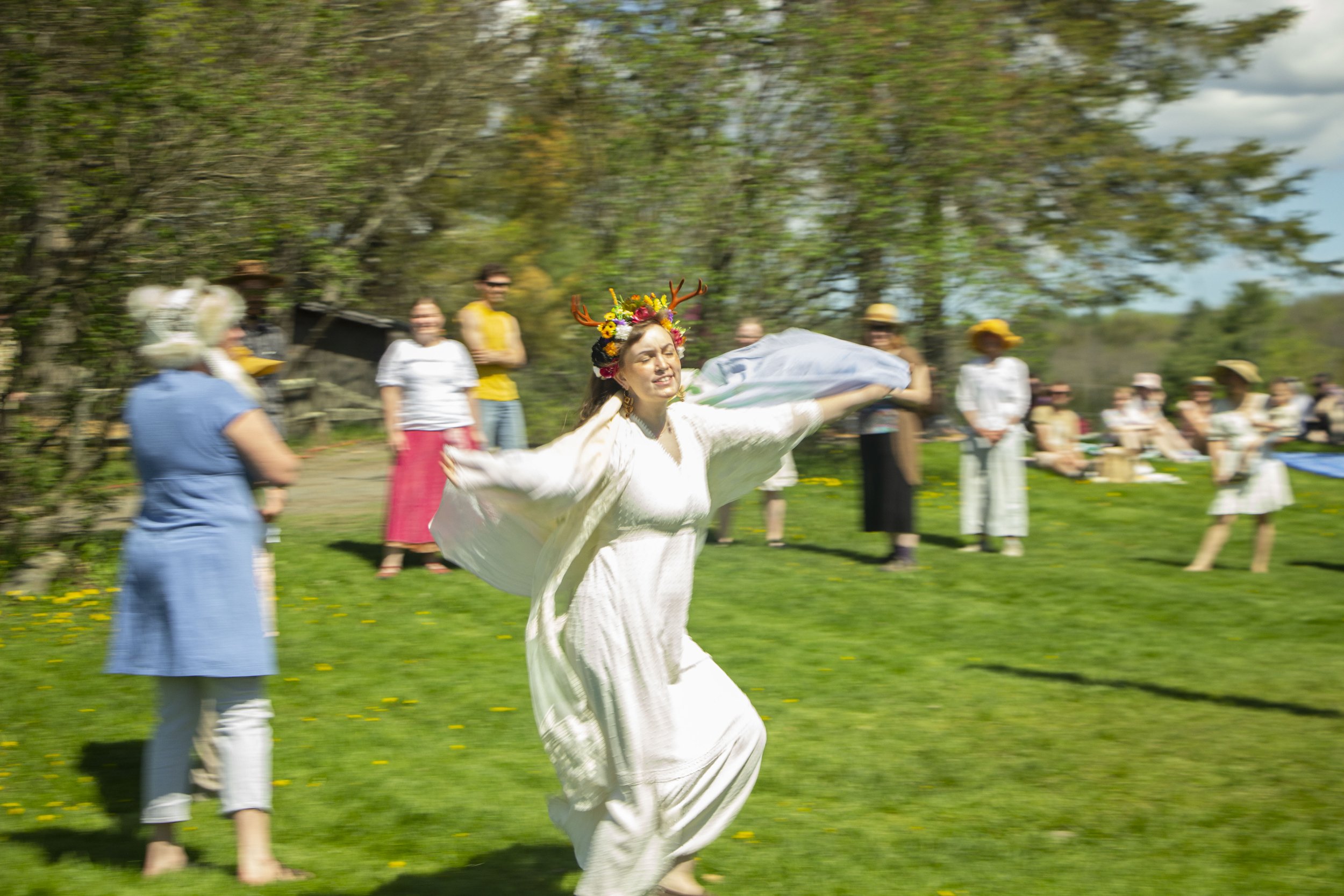
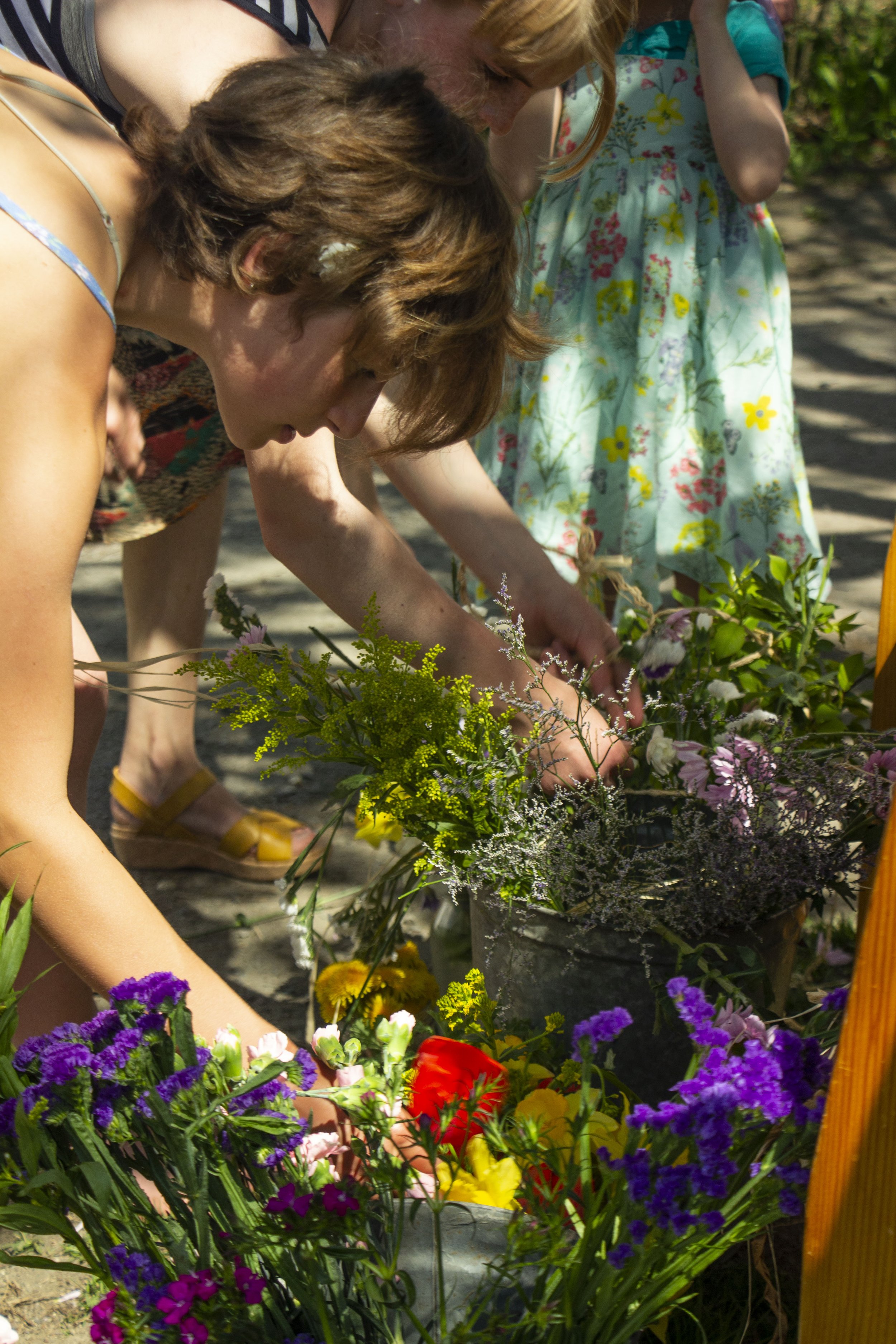
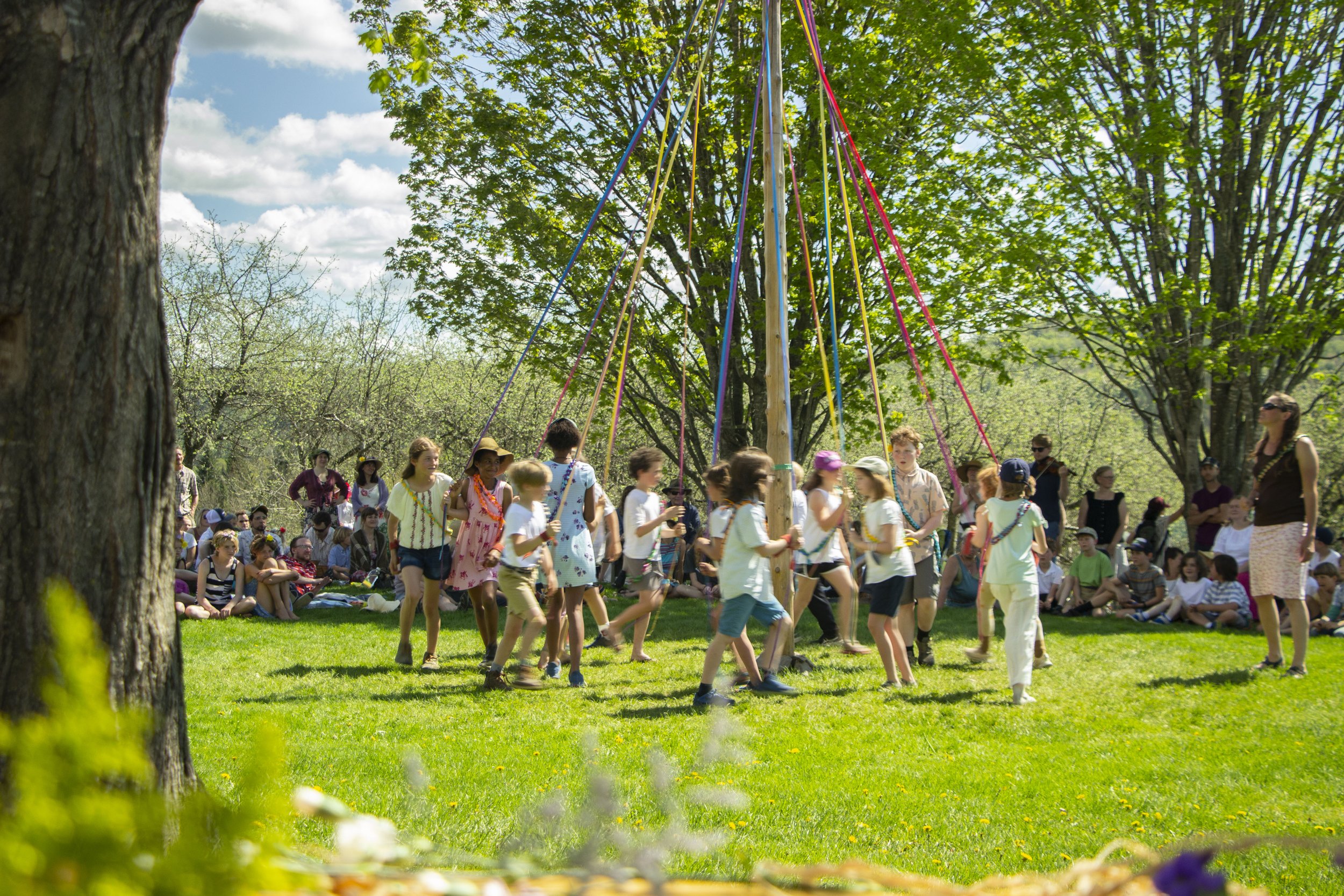
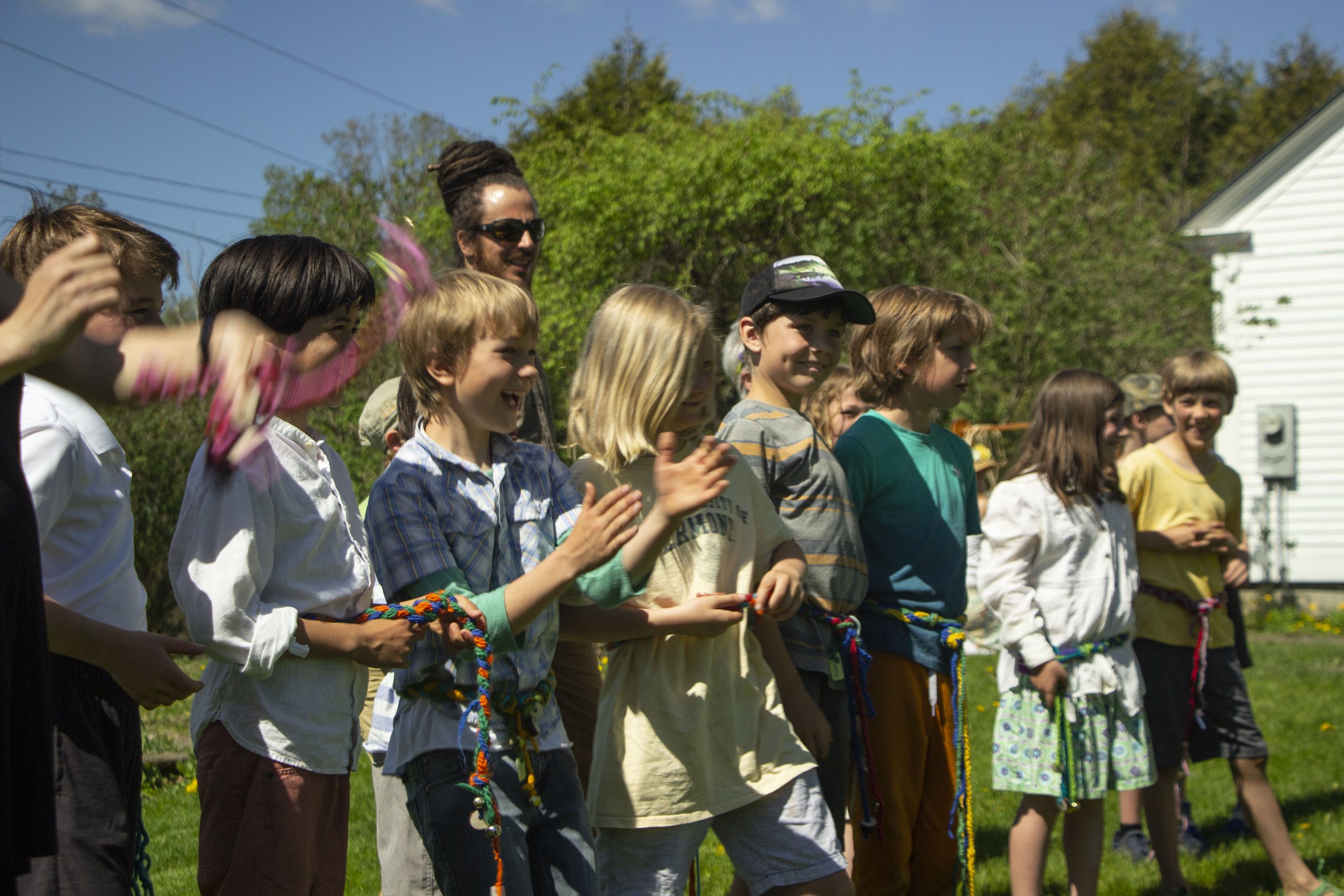
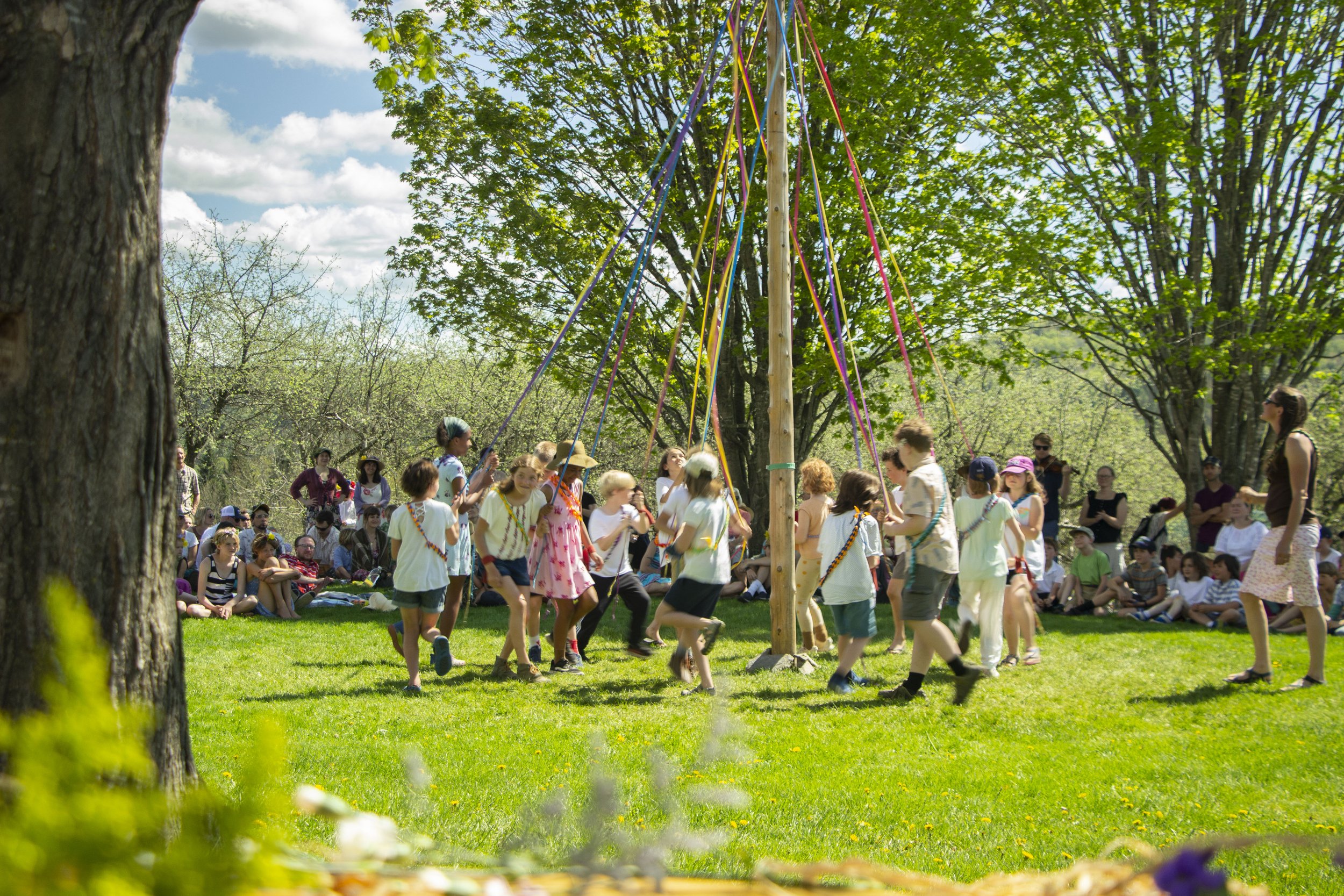
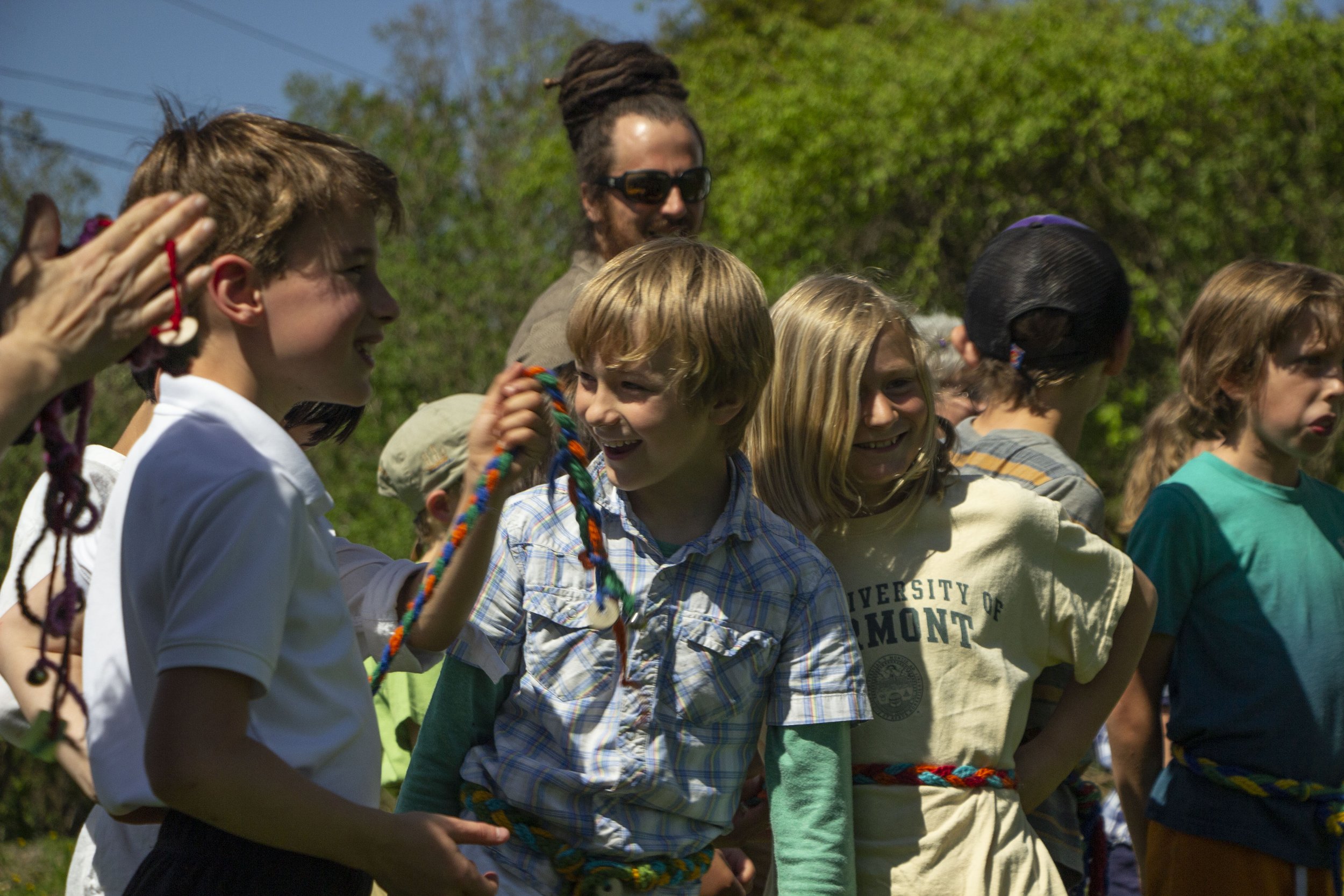
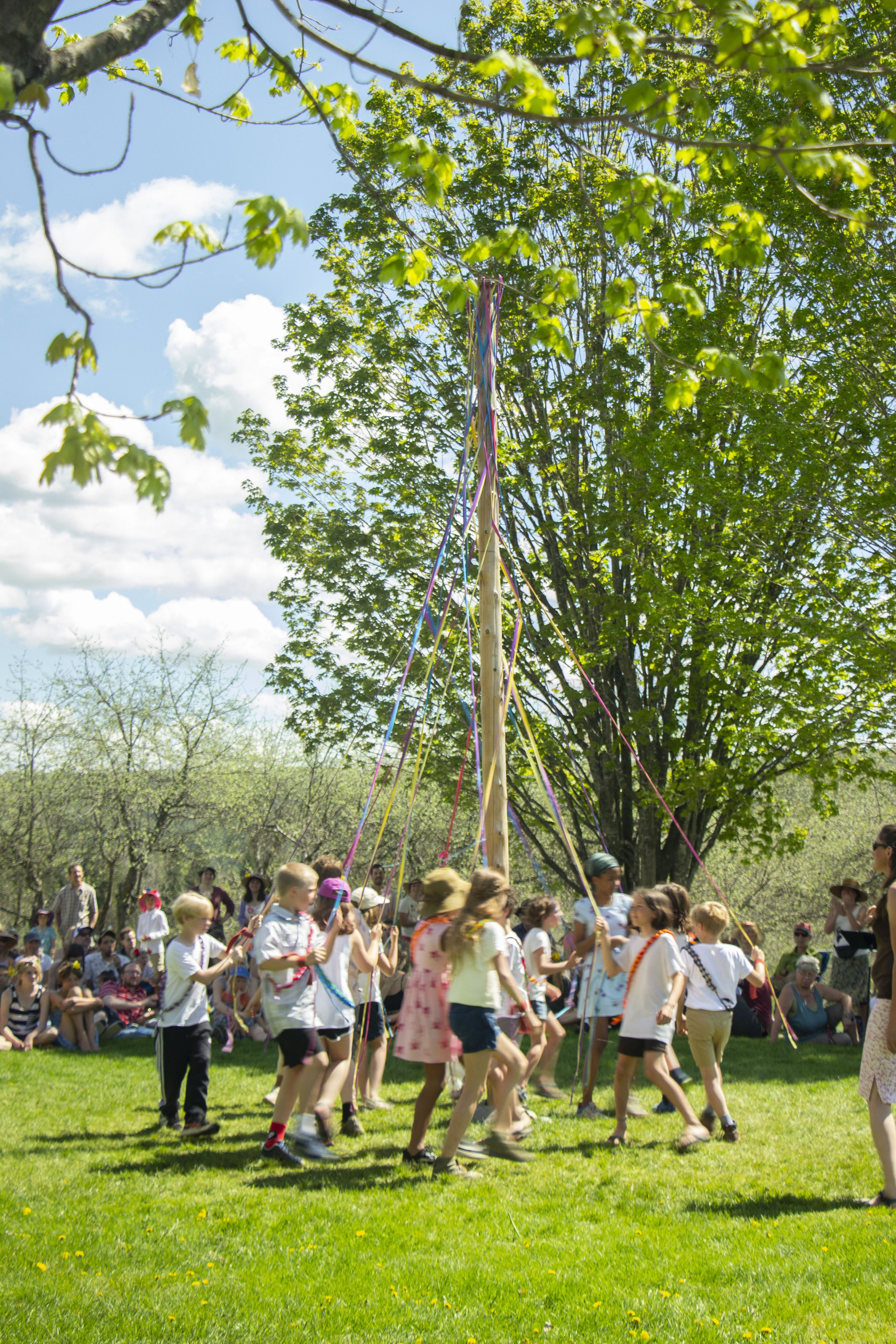
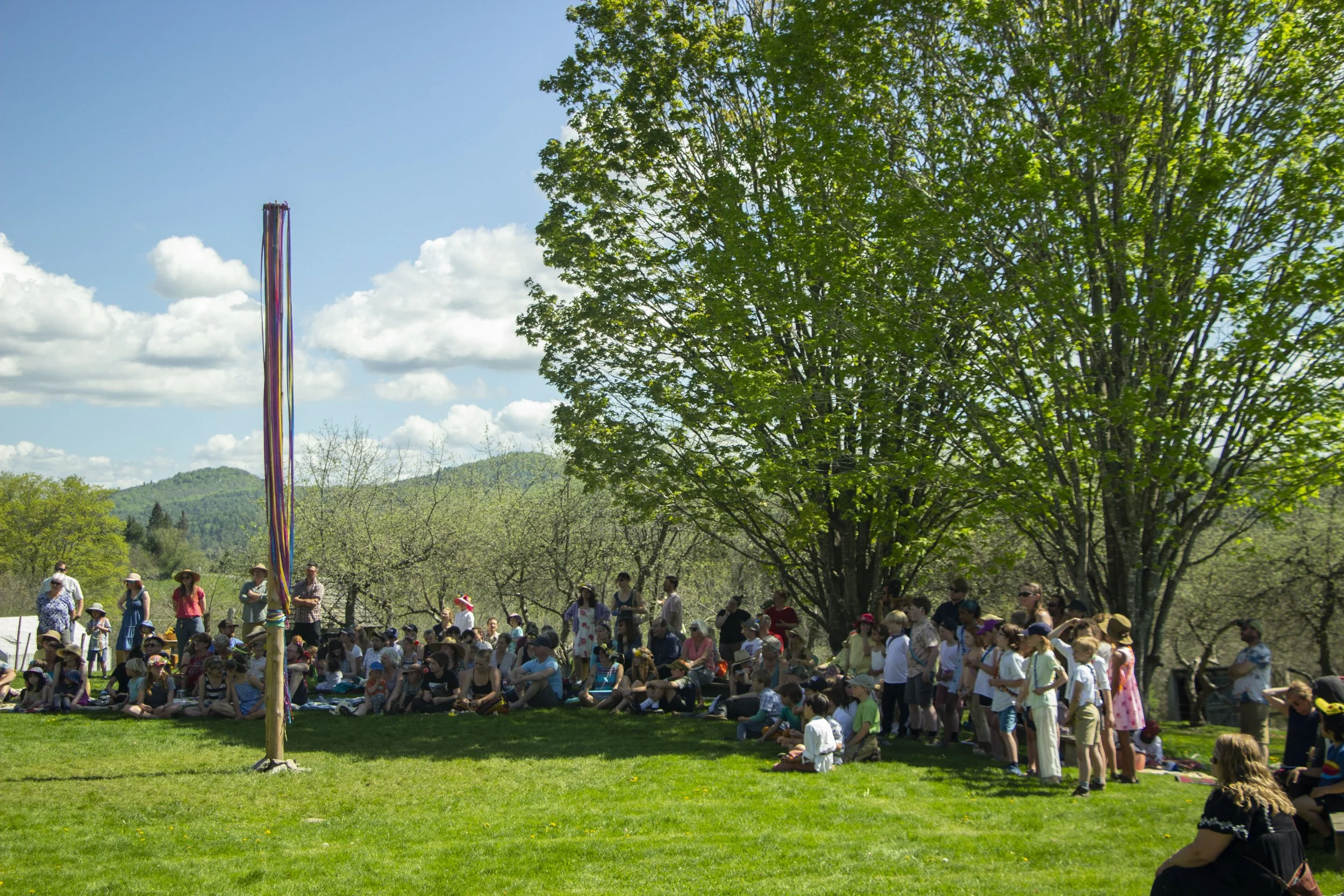
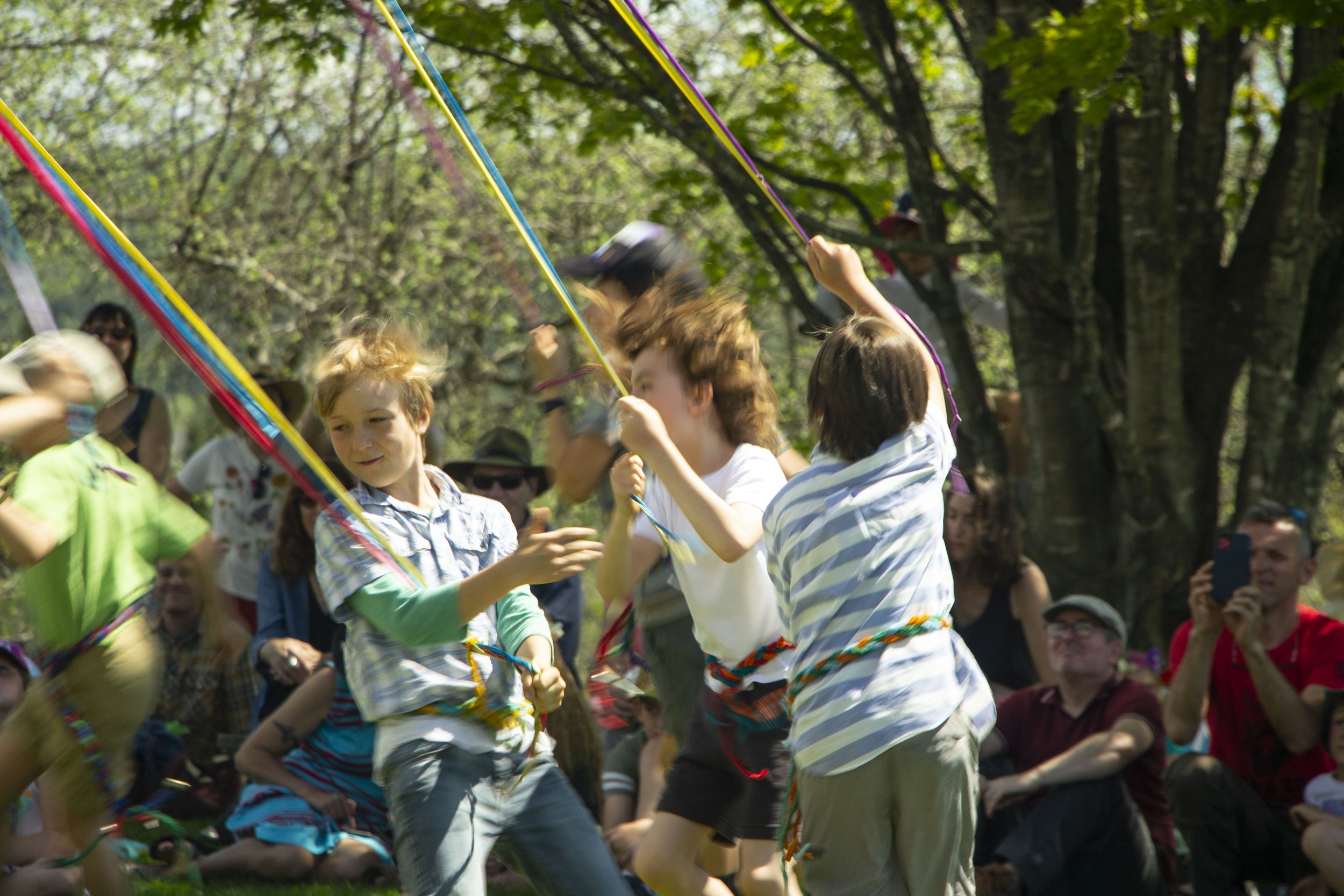
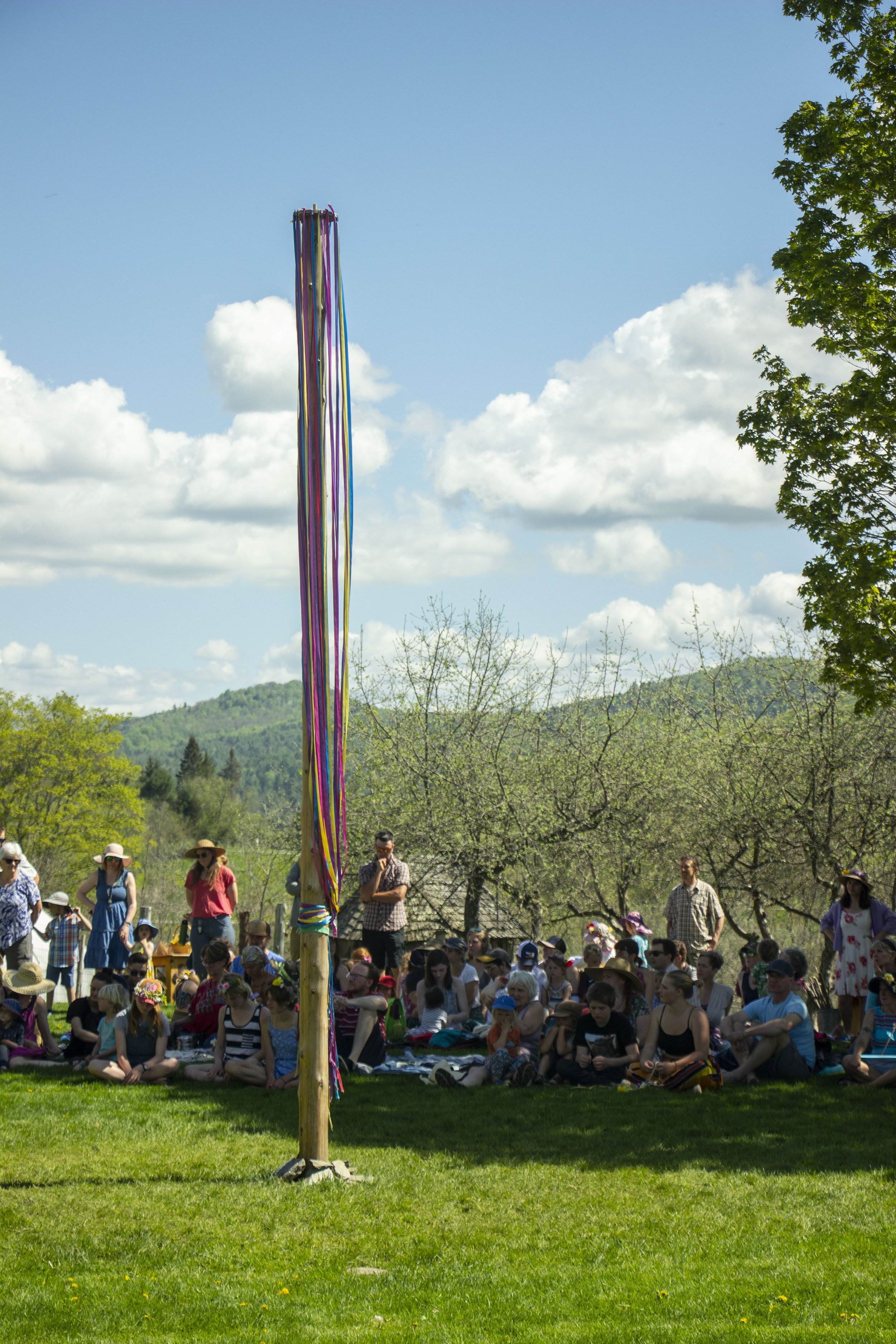
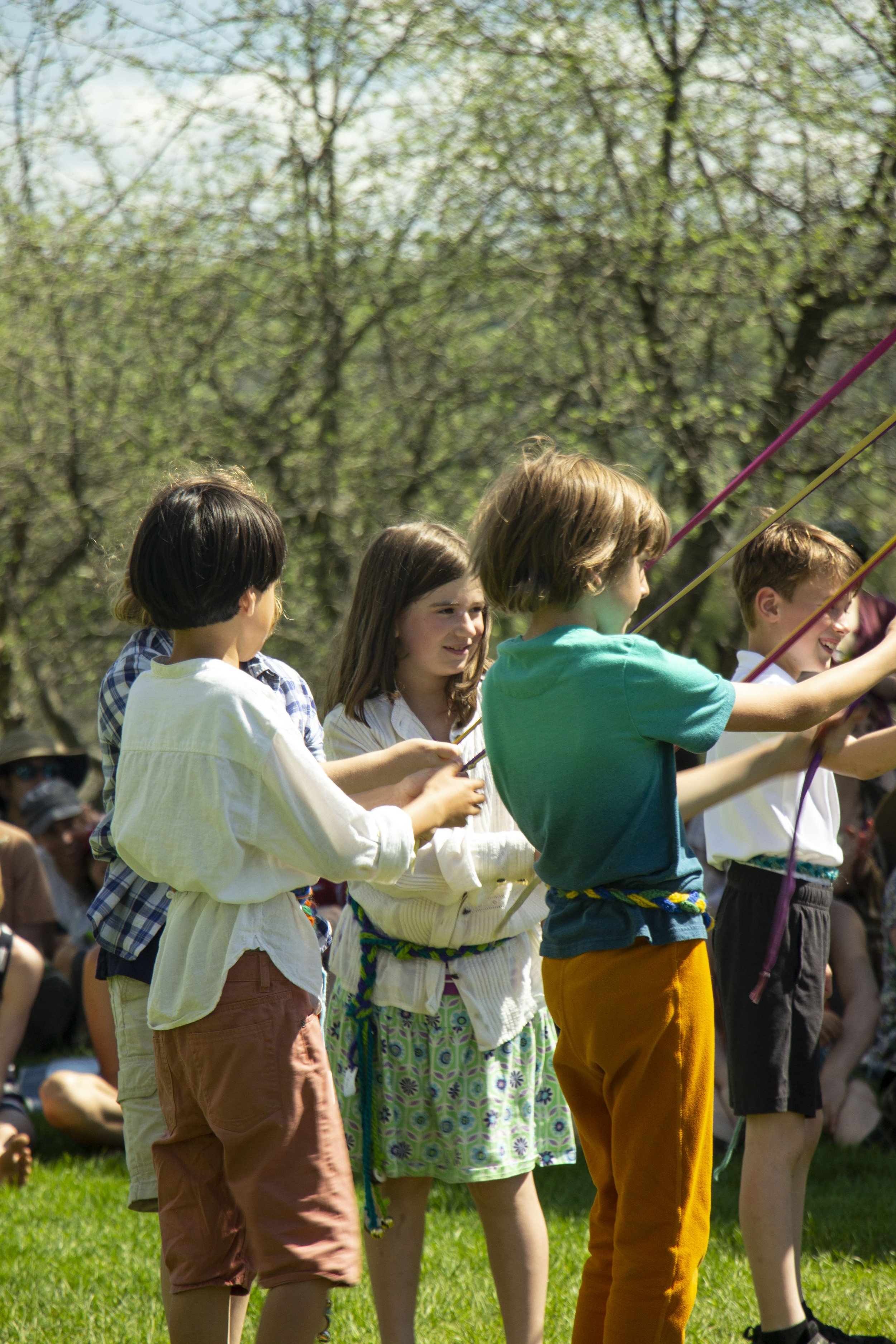
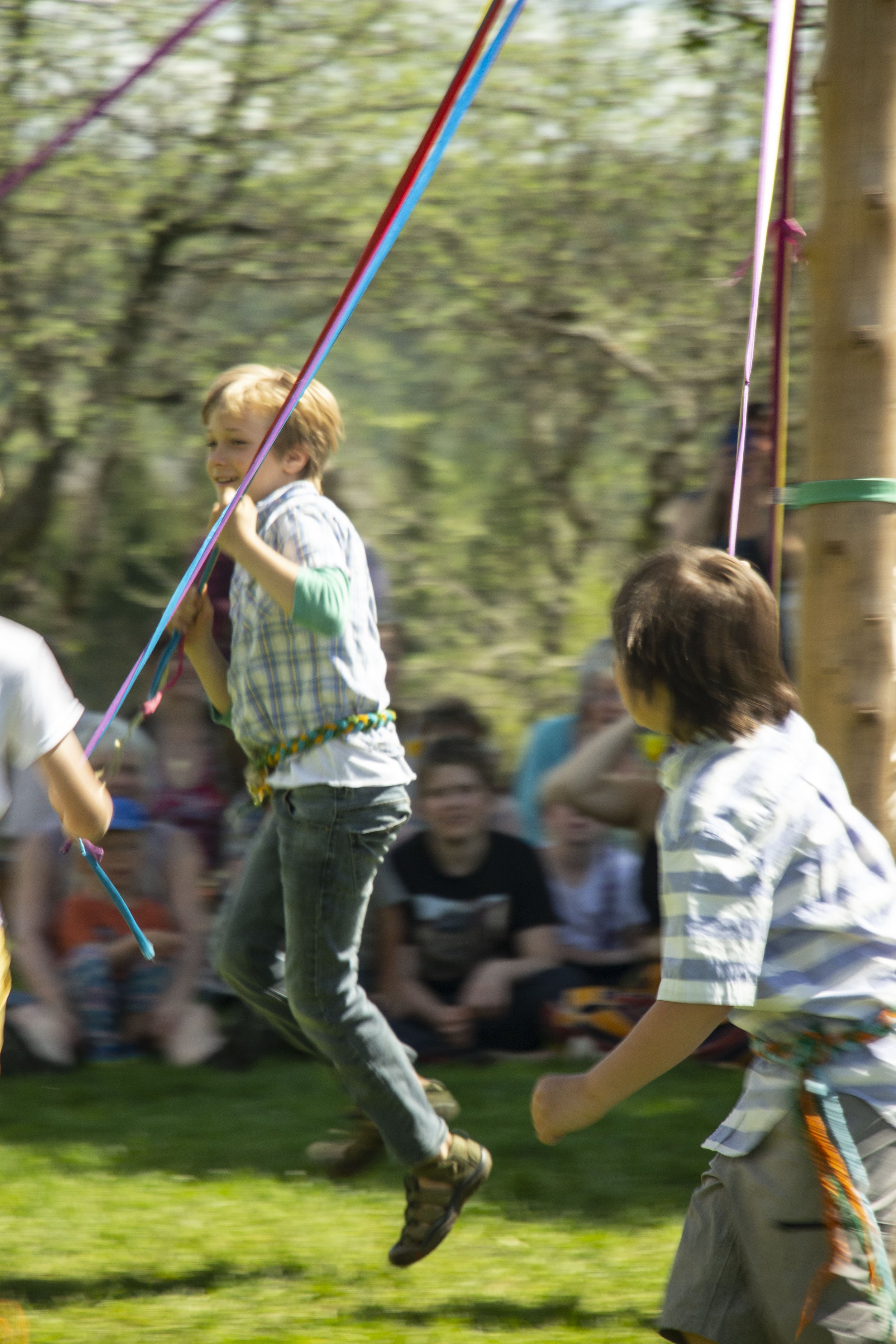
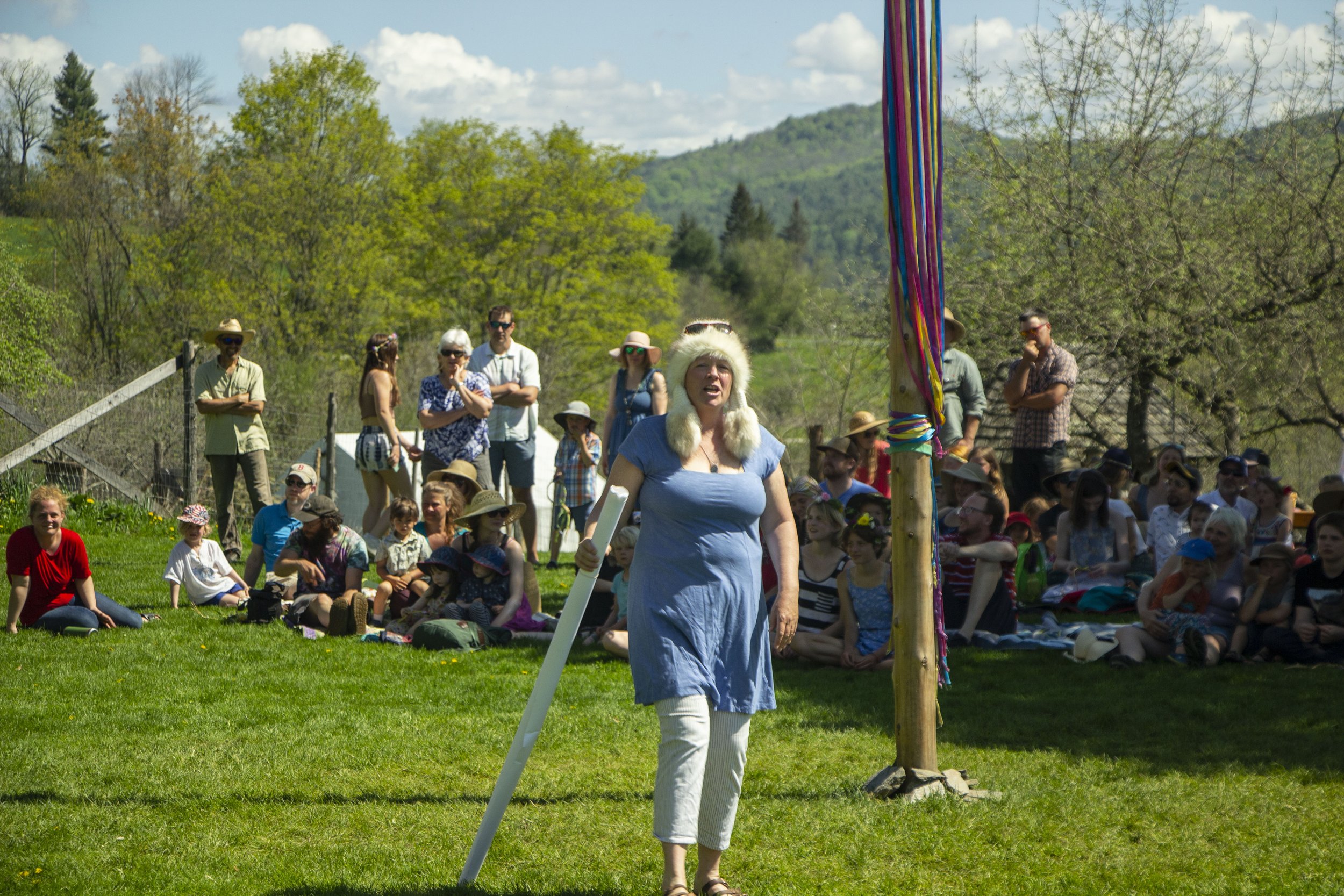
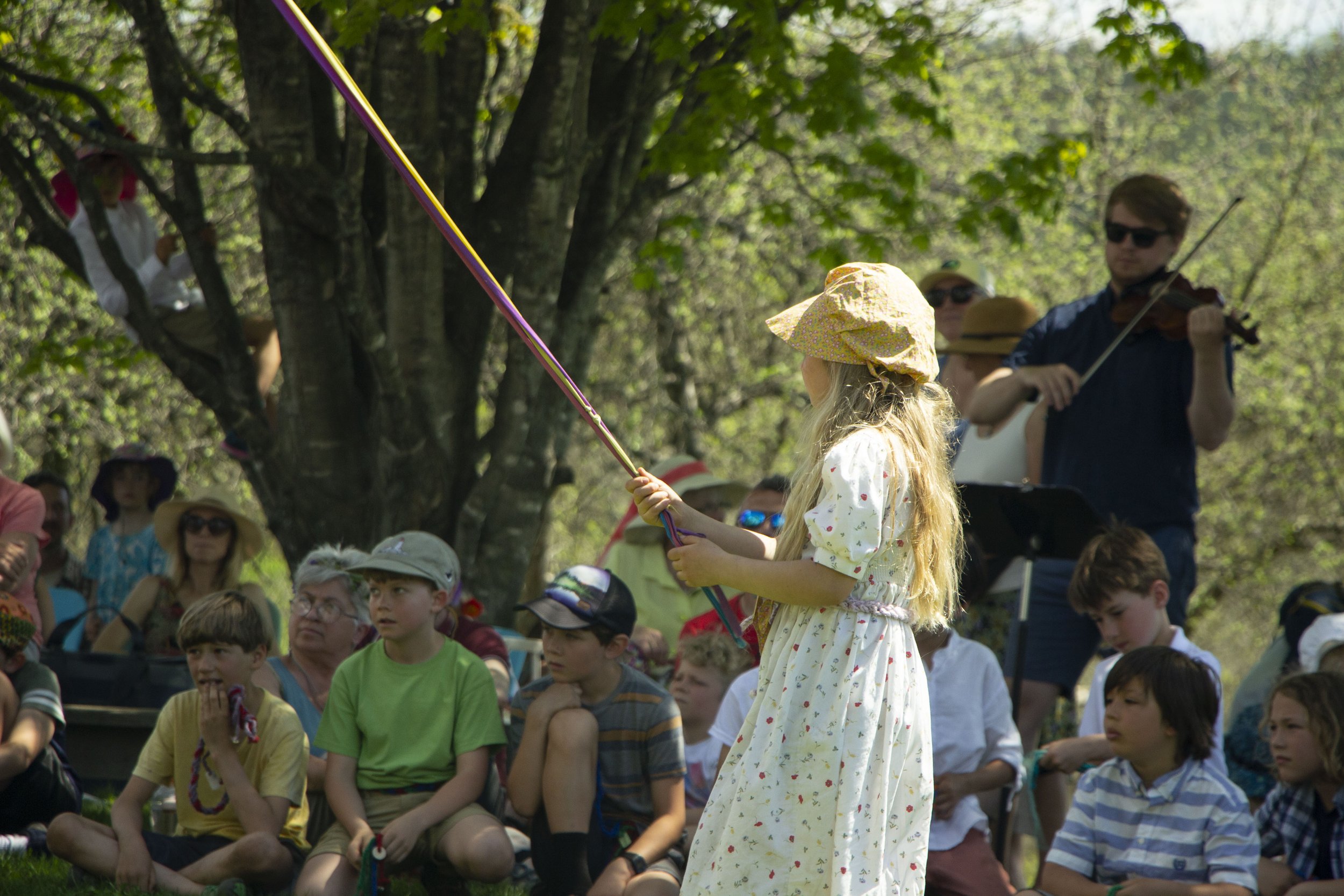
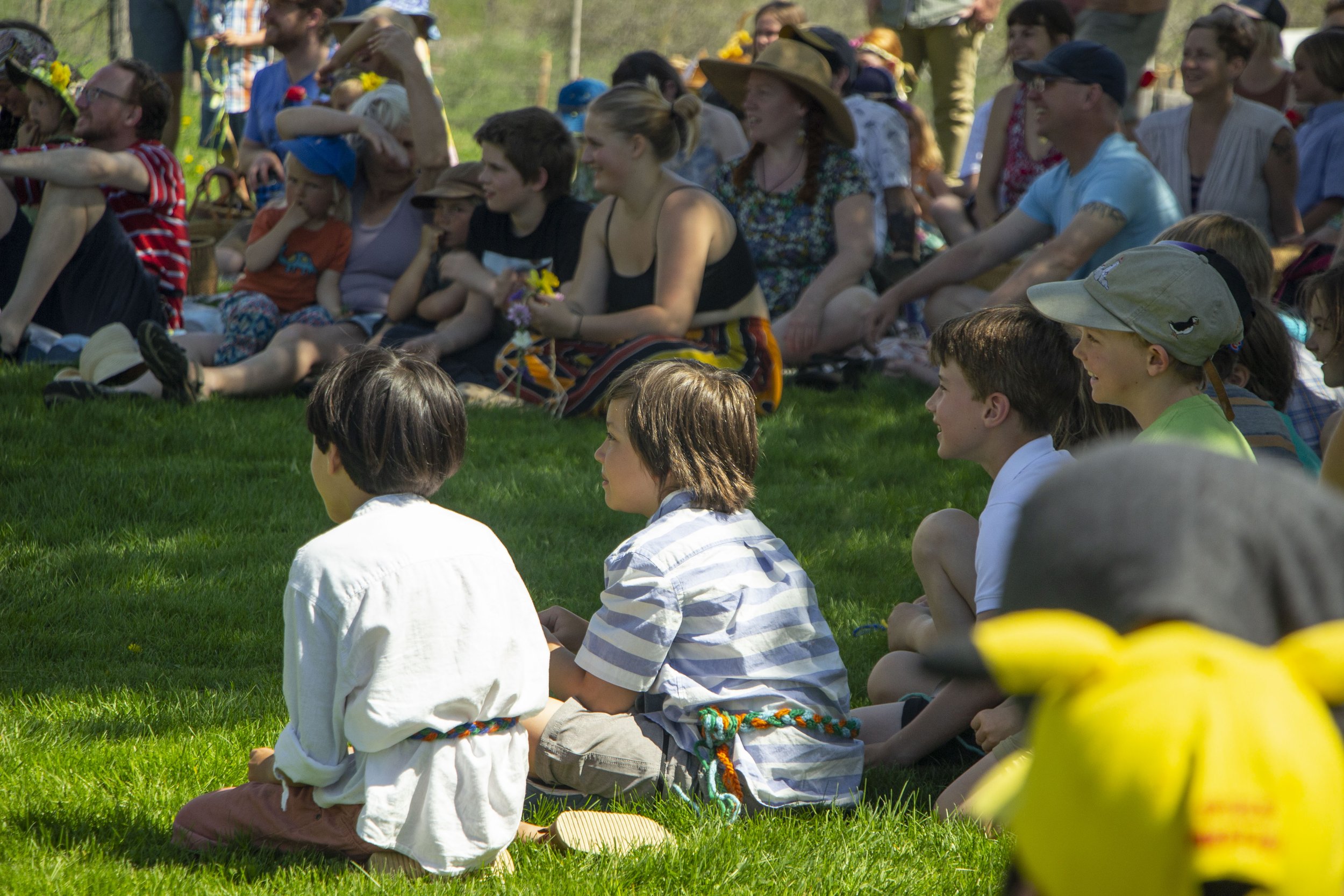
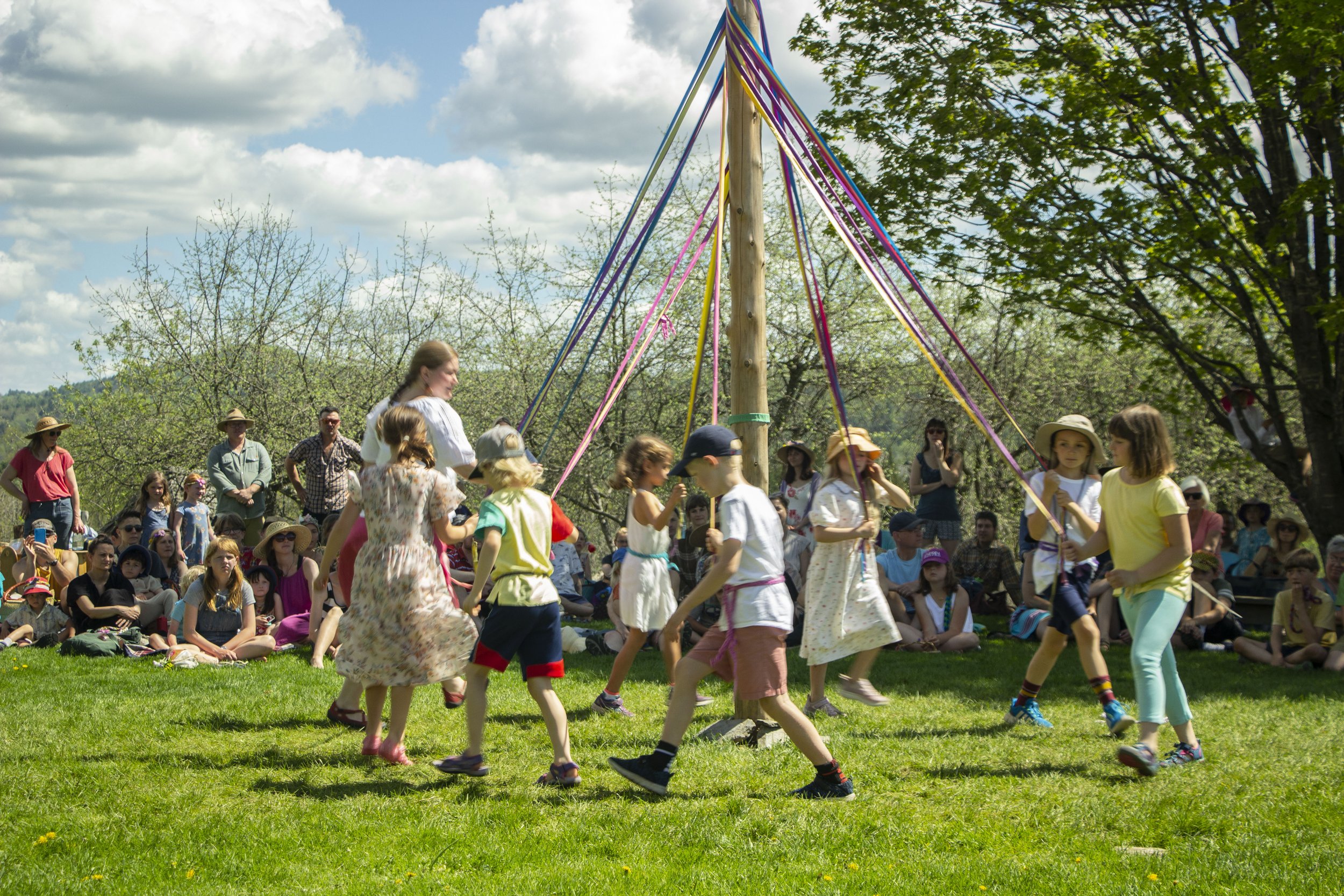
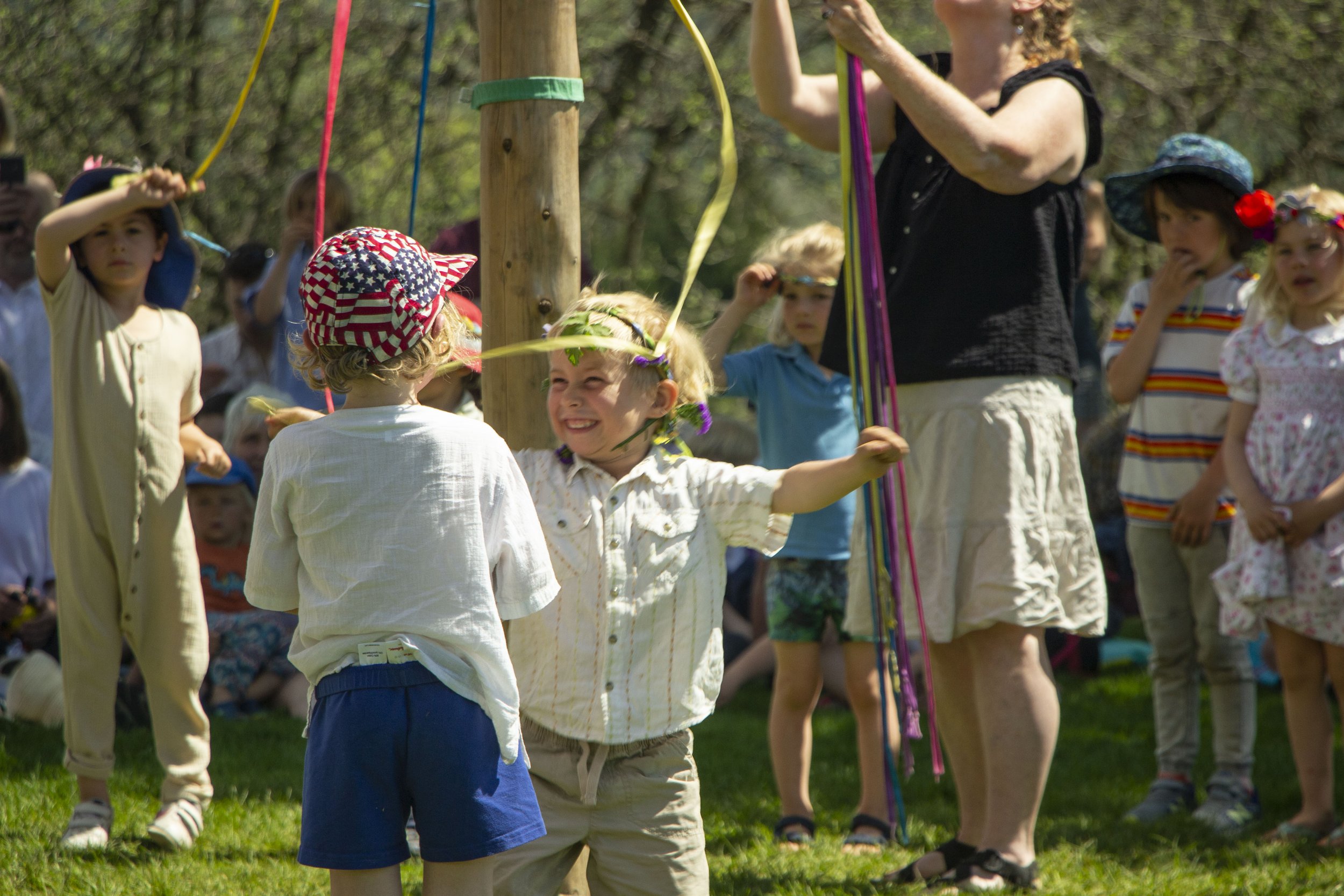
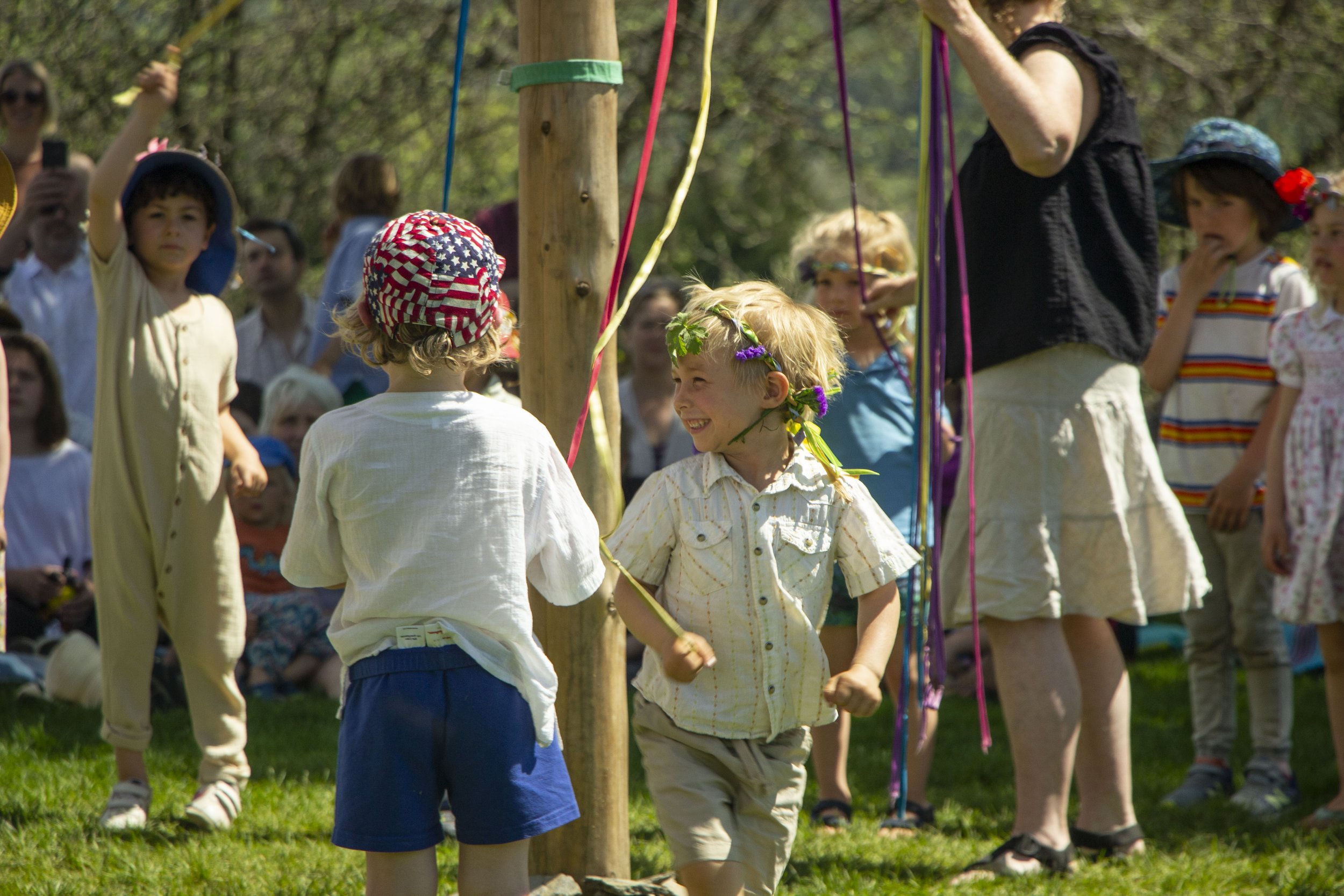
photo gallery by Dave Littlefield

The History of Orchard Valley
During each of the two biggest snowstorms of this 2022 winter, folks gathered around their glowing zoom screens for a recollection of the history of Orchard Valley Waldorf School. These conversations ignited from a requirement by the Association of Waldorf Schools of North America, and set Orchard Valley on a path to begin composing a substantial self-study document. This includes a written history of our school that will be shared with our mentor school later this spring.
During each of the two biggest snowstorms of this 2022 winter, folks gathered around their glowing zoom screens for a recollection of the history of Orchard Valley Waldorf School.
These conversations ignited from a requirement by the Association of Waldorf Schools of North America, and set Orchard Valley on a path to begin composing a substantial self-study document. This includes a written history of our school that will be shared with our mentor school later this spring.
On January 17, 2022, founders of the original Child's Garden kindergarten - Susan Darrah, the original teacher; Susan Ritz, the first Board Chair; Carley Claghorn and Kim Tulucke some of the early parents - celebrated the wondrous beginnings of this program when a group of families formed a “community group” creating festivals in their yards and in local parks.
This group blossomed into the first classroom above the woodshop of a local carpenter on Main Street in Montpelier and then moved to 155 Northfield St in 1990 over 30 years ago. The early families worked side by side to renovate the rented space that was in poor condition and engaged in fundraising for a companion school in Nicaragua at the time. In those early days, they offered marionette puppetry in the local library, hosted a Waldorf Expo in the City Center and provided a hand washing station at the 4th of July parade to help get the word out. National Life, long-time landlord of the Child's Garden donated this building and land to us in 2019 which has been substantially renovated during the pandemic.
On February 4, 2022, a much larger group of over 15 enthusiastic founders came together to recall the arduous and exciting birth of Orchard Valley in the newly renovated classroom building of the Grace Farm campus. In 2000, a determined group of Child's Garden parents started a grade school initiative, the Three Rivers School. Soon after, the Child's Garden initiated a nursery program in the Flanders Building of Goddard College. There was disagreement and uncertainty in those years about when to start a school, where to start it and on what lands. The Child's Garden actually purchased a property on Town Hill Rd for a site that now is the home of an Orchard Valley family.
Community members toured other properties, engaged in many meetings and even created a “Third Board” (The Montpelier River Garden Initiative) to help navigate the many decisions that extended beyond the work of the existing Board members of both the Child's Garden and Three Rivers School. Then, on August 15, 2003, with the support of a group of community-minded investors who forged the Montpelier Waldorf Investment Community Corporation (later reformed as the Grace Farm Community Partners), Grace Farm was finally purchased from the former Winooski Valley Orchards at auction by Ron Koss on behalf of the future Orchard Valley Waldorf School.
We plan to continue these conversations and to reflect on the birth of our first middle school, to remember the birth of the 4-year high school program called the Initiative (a Vermont Waldorf High School at the Stokes Building at Goddard College from 2013 to 2017) and to remember the birth of Sweet Clover Nursery in 2016.
Thoughts From Our Participants:
“Through our work on governance, we are getting our Waldorf education.” - Pamela Van Deursen – former Orchard Valley Board Chair, former Initiative Board Chair
“Building community and culture...we have to appreciate each other for what we are doing. By doing this we build a culture of joyful activity.” - Johannes Otter – former Child's Garden Board member, former Orchard Valley Board member
“generosity of time and talent, a resource I had never seen lived with such activity before or since.” - Deb Reed – first school administrator
“Nothing short of a miracle...there were many miraculous turns, sometimes felt like a dead-end, we kept going, kept trying, things resolved.” - Tom Kavet- first Orchard Valley Treasurer
“One of the best experiences of my life....spiritual world was helping in our practical hard work.” - Jacqueline Gabe – first Grades teacher
We Remember:
Peter Fischer (1954-2013) - Built the first Child's Garden classroom above his woodshop on Main Street.
Jim Grundy (1968-2011) - Installed the solar panels on the Orchard Valley Farmhouse; beloved spouse of Nancy Bruce and father of Esme and Ava. Jim also worked on the installation of the radiant floors in the Grades Building.
Christiane Horvath (1979-2009) - Our first Music and German teacher
Stratton C. “Tony” French (1959-2019) - Long-time member of the Grace Farm Committee which hosted pruning workshops each spring in the orchards, Tony was a hydrologist dedicated to the testing and care of the water of Orchard Valley for many years. Beloved spouse of Julie Henderson, father of two alums, Piper and Eli French.
Kathryn Seaver “Kathy” Clark (1960-2019) - Served as the first office manager and remained in service to the Orchard Valley administration until her passing. Kathy substantially contributed to the initiation of the Sweet Clover nursery program. She was the beloved spouse of Keith Clark and mother of alum, Molly Clark.

Martin's Dream Came Alive This Summer
Our Orchard Valley Waldorf School has always represented an effort toward an inclusive community. From the beginning, we have been dedicated to offering an accessible Waldorf program and for 17 years our community has worked tirelessly to make our program accessible to anyone who seeks a Waldorf Education. More recently, we took up a deeper examination of systemic racism in our habits and the Waldorf Movement, and I felt prepared and willing to take up the task of creating a Waldorf Anti-Racism Summer Camp.
by Marianne Perchlik
I first felt called to teach to specifically overcome the history of injustice that I observed was impacting everything I cared about. I gradually came to realize this injustice shared one fulcrum: racism.

I chose Waldorf Education because I believe we cannot overcome this history without a deeper understanding of the soul and spiritual nature of life and humanity. Arts are tools for developing a healthy soul capable of a thirst for justice, capable of remorse, capable of compassion. Artistic activity accesses courage that can speak to the flow of unconscious, demoralizing, habitual cruelty and builds the capacity for action. A whole human being can speak from an empathetic heart.
Healing History & Called to Action
The wounds of history will need the healing balm of all kinds of practical arts: gardening, culinary arts, weaving, knitting, sewing, as well as drawing and color experiences, and all kinds of visual art, dance, movement theater arts, singing, music, etc. All of these experiences are embedded in Waldorf Education for the express purpose of healing and evolving the human soul.
When George Floyd was murdered for everyone to witness I thought that this was a moment when enough people have awakened to the bald truth that the dream of our United States is built upon a forceful, calculated, continuous, cruel history of injustice, a foundation of devastating, relentless abuses and knowing premeditated intentionally cultivated and perpetuated racism.
Our Orchard Valley Waldorf School has always represented an effort toward an inclusive community. From the beginning, we have been dedicated to offering an accessible Waldorf program and for 17 years our community has worked tirelessly to make our program accessible to anyone who seeks a Waldorf Education.
More recently, we took up a deeper examination of systemic racism in our habits and the Waldorf Movement. Last winter as we examined our school, reinforcing our existing Diversity Statement, Land Acknowledgement, and other overt policies, it became clear to me that our gestures were empty without real action.
The Dream Awakens
I felt prepared and willing to take up the task of creating a Waldorf Anti-Racism Summer Camp. I had been studying the life of Harriet Tubman for years; a model of compassionate action, defying stereotypes of gender, race and age, dedicated to love and to justice. And I was aware that I could call upon a former colleague to support the camp by offering eurythmy which I believe to be the most curative force in Waldorf Education.
In a deep wintery moment, as I contemplated the spirit of Martin Luther King Jr., I could imagine on our beautiful, glorious campuses - campuses we are privileged to inhabit and direct - Martin’s Dream of black and brown children playing and learning alongside white children in joy, happiness and freedom. With the responsiveness of colleagues and interest from families in our community and beyond, we were able to offer two week-long camps; one at the Child’s Garden campus and one on the main campus of Grace Farm.
Our Camp: Intergenerational Conversation & Participation
The camp took up Martin’s Dream. We took up in more detail the early life of Harriet Tubman, whose original name was Araminta (affectionately known as “Minty”). I knew our camp must support parents in growing the capacity to meaningfully engage with students on these matters. This must be an intergenerational conversation.
Each day we took up part of the heroic story of Minty. Preparing a presentation including silk marionettes, verse, eurythmy as well as singing and poetry. Our students and parents created a living representation of the childhood of our heroine.
Of the families who were attracted by the theme, some of those parents actually work in the field of equity and justice. Three of those families had never heard of our organization and were willing to come because they recognized the necessity and importance of the theme.
Children everywhere were already suffering from the limitations of the pandemic, and the increased awareness of Climate Change and racial injustice. And we have known that the rates of anxiety, depression and youth suicide have been escalating rapidly since well before the pandemic. Including parent participation and engagement was essential.
Camp Reflections
The camp included children many of whom were siblings from rising Kindergarteners to 4th grade. The questions and conversations surrounding our preparation were deep and compassionate with a generous amount of nature exploration, active games and free play.
On the last day, I asked the students, “Why have I brought us all together on a beautiful summer day to share in such a sad story?" Immediately a rising 3rd grader answered, “because of Martin’s Dream.” Before I could respond, a rising 4th grader stated, "Because it’s still going on."
At Child's Garden, we had 10 campers and one Mentor in Training; six of these students were Child's Garden alums who now attend public school. The other four participants, and the 13-year-old Mentor in Training, were attracted because of the theme from the larger community.
At Grace Farm we had nine campers also; six were Orchard Valley students, two of whom were newly enrolled having recently moved to the area. One student formerly had attended Early Childhood programming and was now attending public school. Two were from the larger community attracted by the theme.
Campers from Orchard Valley's Early Childhood Summer Program attended the final presentation of the Martin's Dream Camp. We were also able to incorporate culinary arts and gardening activities at the Child’s Garden where students harvested black currants for preserves and helped prepare roasted purple potatoes and multicolored carrots, as well as harvesting snap peas for shared snacks. Sharing different colored foods offered a sensory experience of encountering differences and became a launching pad for noticing more explicitly how we react to encountering differences in something ordinary like sharing food.
Visions for the Future
In 1996, my husband and I were VISTA volunteers and we created a Service Exchange for High School students in Middlebury and Rutland areas. We created an MLK Service Celebration offering diversity training, African dinner and dancing, and community service to elders in Rutland. In Middlebury, through the support of the I Have A Dream Foundation, we offered a student exchange between families from Middlebury High School and Hartford High School in Hartford, CT for long weekends in October in Middlebury and April in Hartford. Participating families offered homestays and we shared in community service efforts in both communities.
I can imagine this kind of summer programming at Orchard Valley in the future after the pandemic ends, where we can share the beauty of our campus with urban children and sow seeds of friendship among children of different races and colors. I can also imagine hosting a similar African meal and dance with diversity training around the celebration of MLK and possibly at the Montpelier Grange.
For next summer, I would very much like to consider offering Martin's Dream Camp again and continuing to work with the theme of Martin's Dream through puppetry, movement, verse and song as we did last summer, possibly including a Gospel Music camp. I would also like to provide scholarships for families of color.
My Journey With Racism & Waldorf Education
The privilege of my education demonstrated to me the climate of institutional racism that was the industry standard for all colleges and universities. I noticed, for example, the outright absence of any authors apart from white male authors as an English and Theater major.
“Thankfully, because of one “Women in Literature” course, I had the opportunity to read Toni Morrison at 19 in the late 1980s. In Law School, I studied the civil rights movement case by case. I read the overt, calculated, intentional policies to destroy and dehumanize the native people of the United States. I studied with one of the most prominent professors in the country who was revealing the disproportionate incarceration and execution rate of African Americans at that time in the early 1990s.” I know. I’ve known.
I started teaching at The Initiative; a Vermont Waldorf High School that operated on the campus of Goddard College for 4 years. The entire initiative was based on creating an inclusive environment for youth to face and overcome this ruthless history, for the evolution of a humanity capable of stronger loving relationships.
When the Initiative closed I returned to working with new parents, and very young children; work I had done in a private practice of Childbirth Education, Parent Education and Doula Service.
Another reason I began teaching with High School students was because it is what Rudolf Steiner recommended. Working with teens as their soul body bursts into being between the ages of 12 - 21 demands that we face and tame the unresolved burdens of our own soul.
“When children come to the age of puberty, it is necessary to awaken within them an extraordinarily great interest in the world outside of themselves. Through the whole way in which they are educated, they must be led to look out into the world around them and into all its laws, its course, causes and effects, into men's intentions and goals — not only into human beings, but into everything, even into a piece of music, for instance. All this must be brought to them in such a way that it can resound on and on within them — so that questions about nature, about the cosmos and the entire world, about the human soul, questions of history — so that riddles arise in their youthful souls.” - Rudolf Steiner, Education for Adolescents, 1922
(Education for Adolescents, by Rudolf Steiner, was published by the Journal for Anthroposophy in Spring 1979 from excerpts of a lecture given in Stuttgart on June 21, 1922)